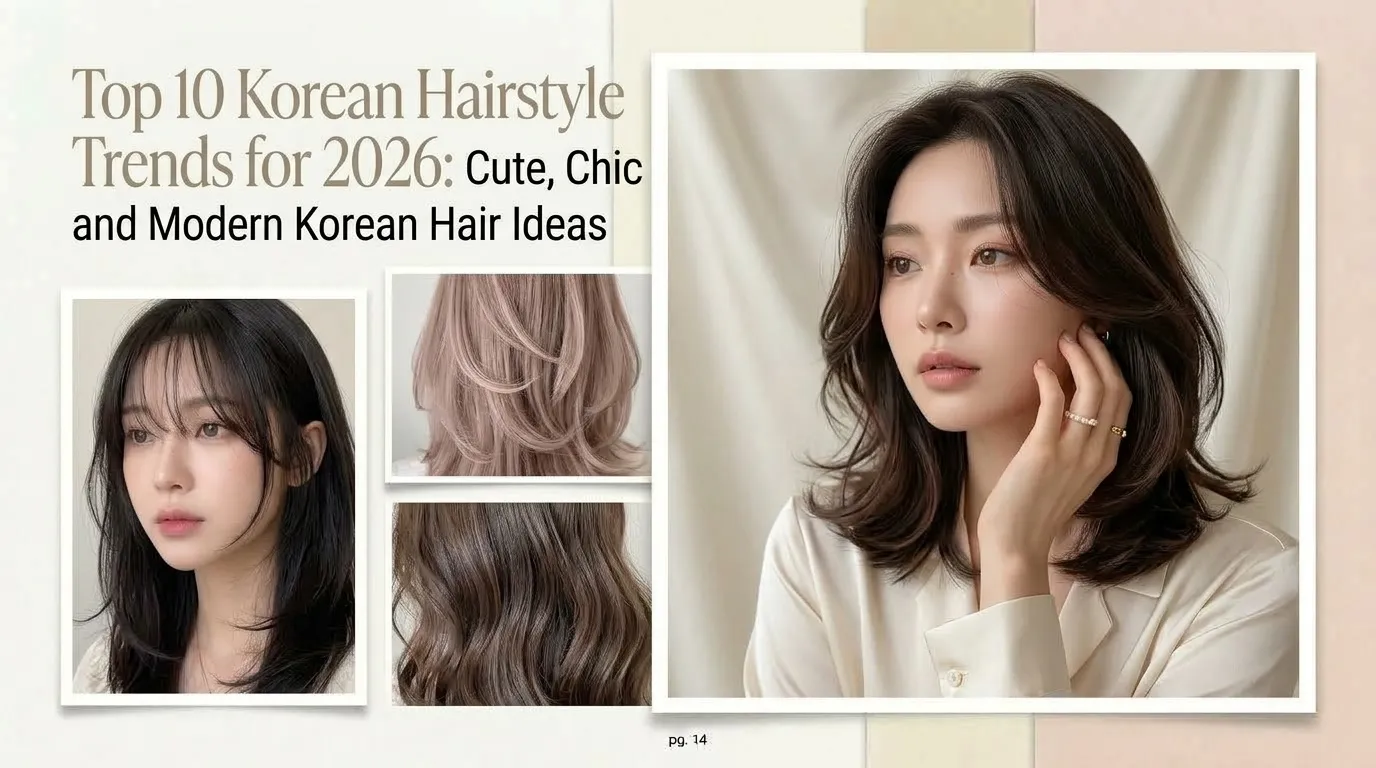
Top 10 Korean Hairstyle Trends for 2026: Cute, Chic and Modern Korean Hair Ideas
Khadija Sharif·
Korean hairstyles are known for soft shapes, light texture, and carefully placed layers. Instead of relying on heavy styling, many Korean haircuts focus on movement around the face and a natural looking finish. The result can feel polished without looking overly styled.
Korean hair trends also offer plenty of variety. You will find short bobs, long layers, airy bangs, soft waves, curtain fringes, and subtle volume among the most recognizable styles. Some are easy to maintain, while others need regular trimming to preserve their shape.
The right Korean hairstyle depends on more than the haircut itself. Hair thickness, natural texture, face framing, and daily styling time all affect how a cut will look outside the salon. The ten styles below give you practical ideas to discuss with a stylist or adapt to your own routine.
1. Korean Air Bangs
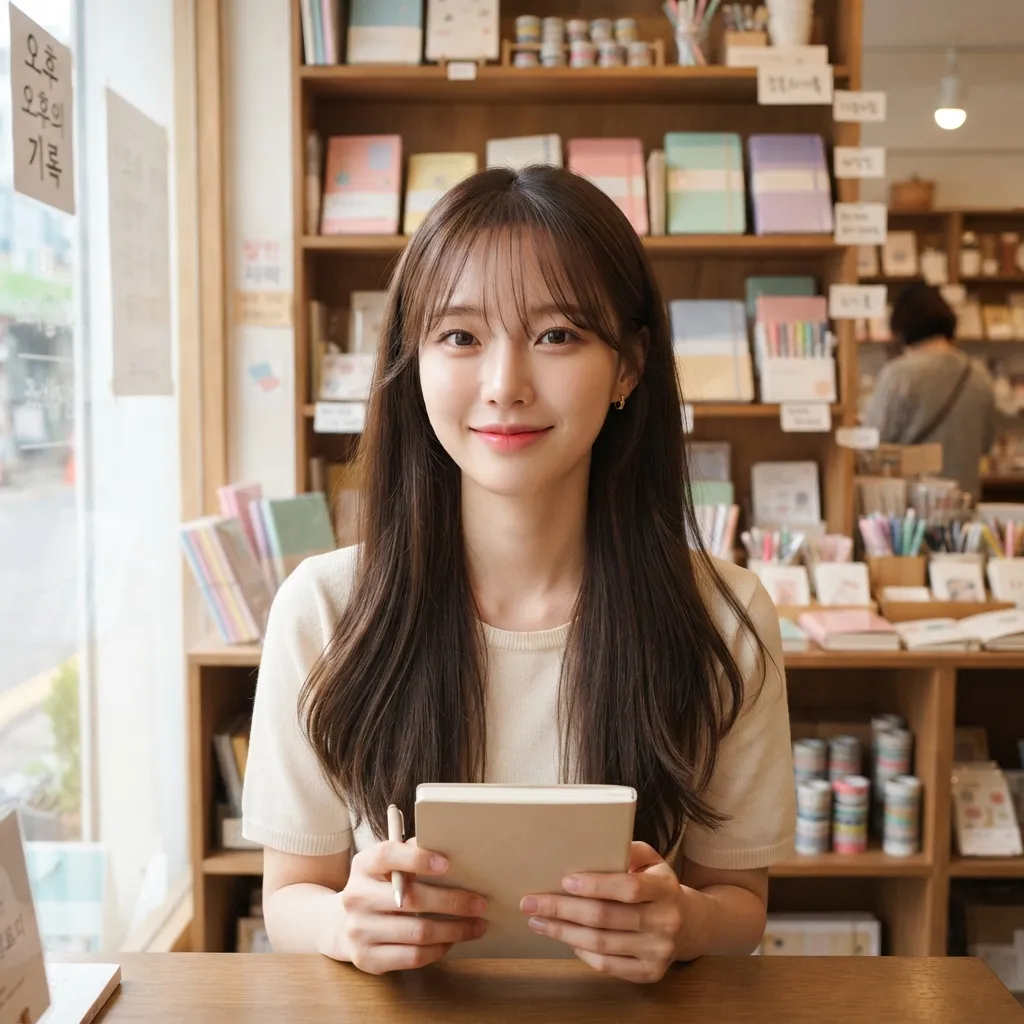
Korean air bangs create a light, wispy fringe that softly covers part of the forehead without looking heavy. The strands are usually fine and separated, allowing some forehead to remain visible. This creates a delicate frame around the eyes while keeping the hairstyle airy. The fringe can be paired with both short and long hair.
The length should be customized rather than cut into one solid line. Longer pieces toward the temples help the bangs blend into the rest of the haircut. A round brush can lift the roots slightly while keeping the ends curved. A small amount of lightweight styling product is usually enough to hold the shape.
Air bangs can change the appearance of a haircut without requiring a major length change. They work particularly well with Korean layered hairstyles because the fringe naturally connects with face framing sections. If you are unsure about a full fringe, ask for longer pieces that can be parted or swept aside.
Hush Cut
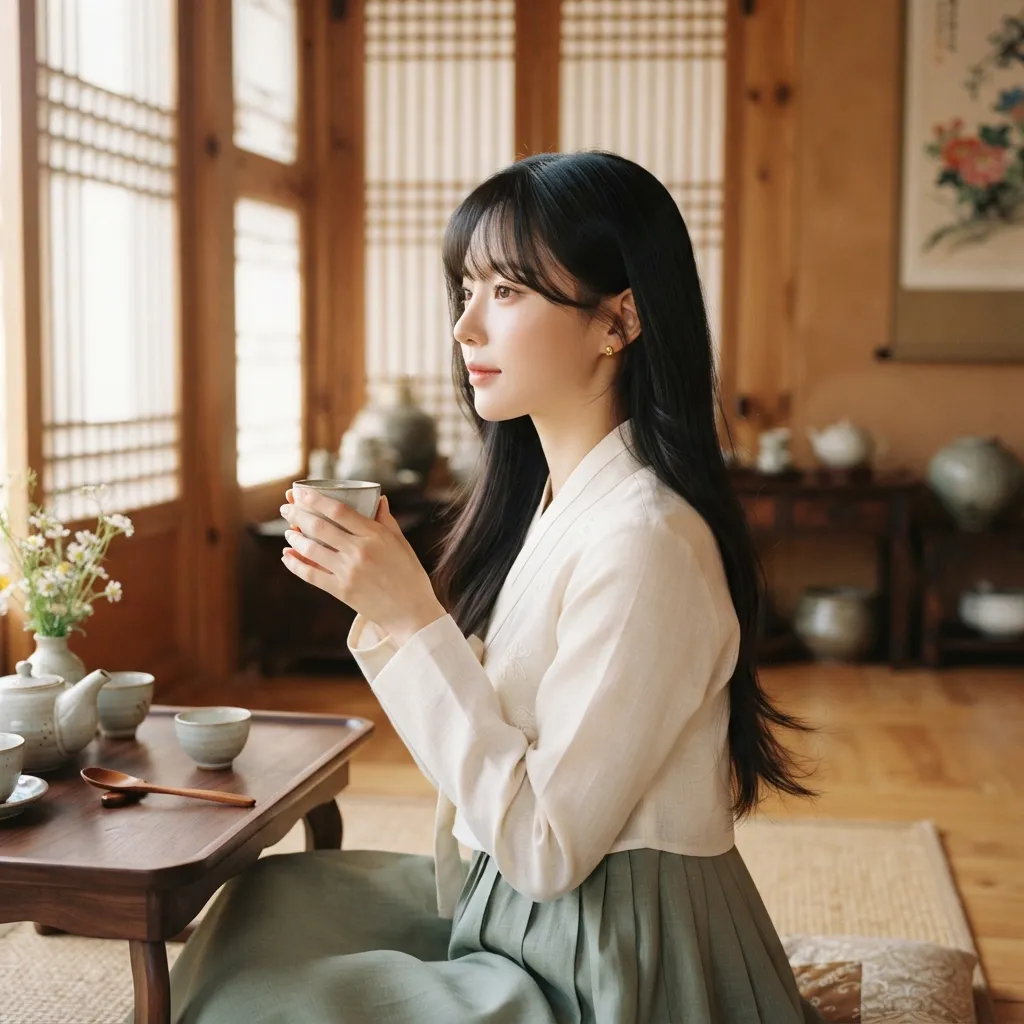
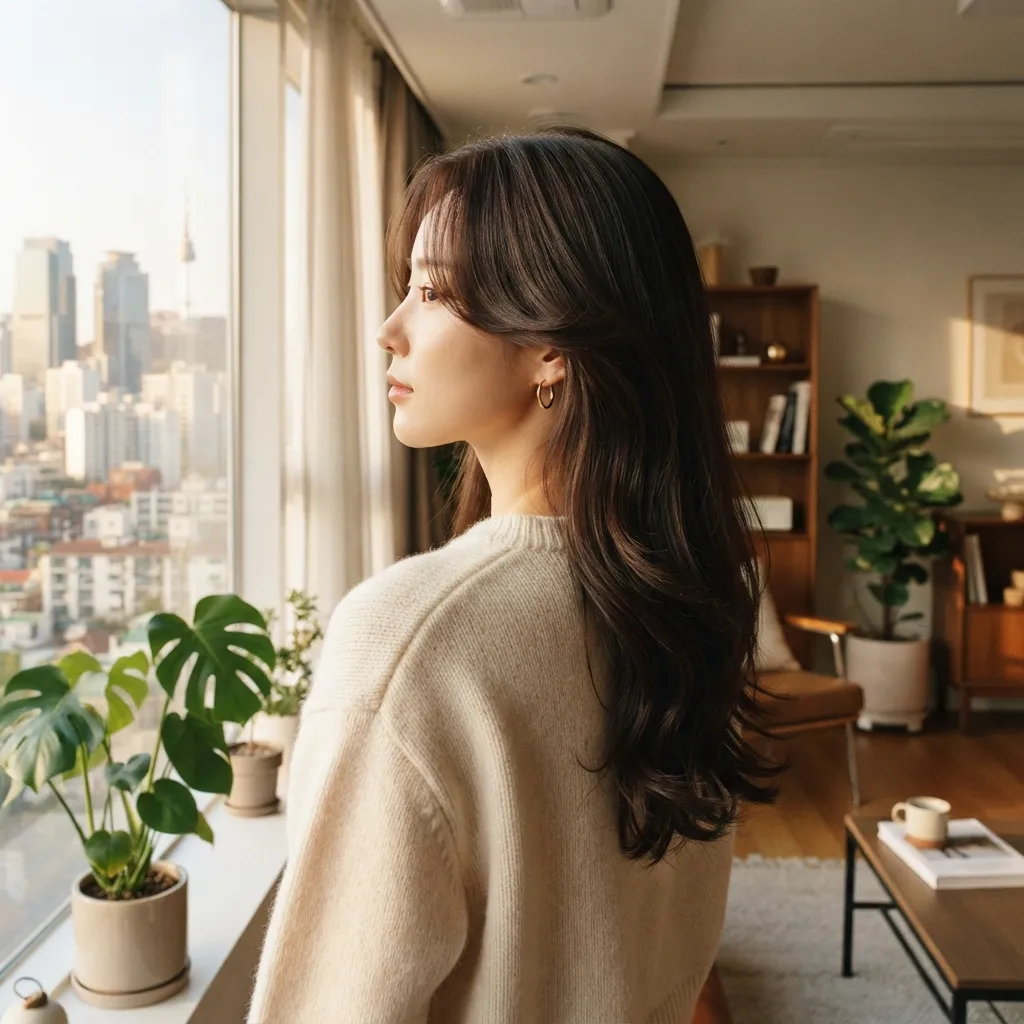
The hush cut creates a soft layered silhouette with movement throughout the hair rather than one strong, dramatic shape. Layers are usually lighter around the face and gradually blend through the lengths. The haircut can make long hair feel less heavy while retaining plenty of length. Its understated finish is part of its appeal.
The most important part is the transition between layers. A good cut should avoid obvious steps that make the hair look disconnected. Face framing pieces can begin around the cheekbones or jaw depending on the desired effect. Blow drying with a round brush can bring out the layered movement, but the haircut should still look attractive when worn naturally.
This Korean haircut suits people who want visible movement without sacrificing long hair. It can work on straight or slightly wavy textures and can be adjusted for thicker hair. Those with fine hair may prefer fewer, more carefully placed layers to avoid making the ends appear thin.
3. Korean Layered Bob
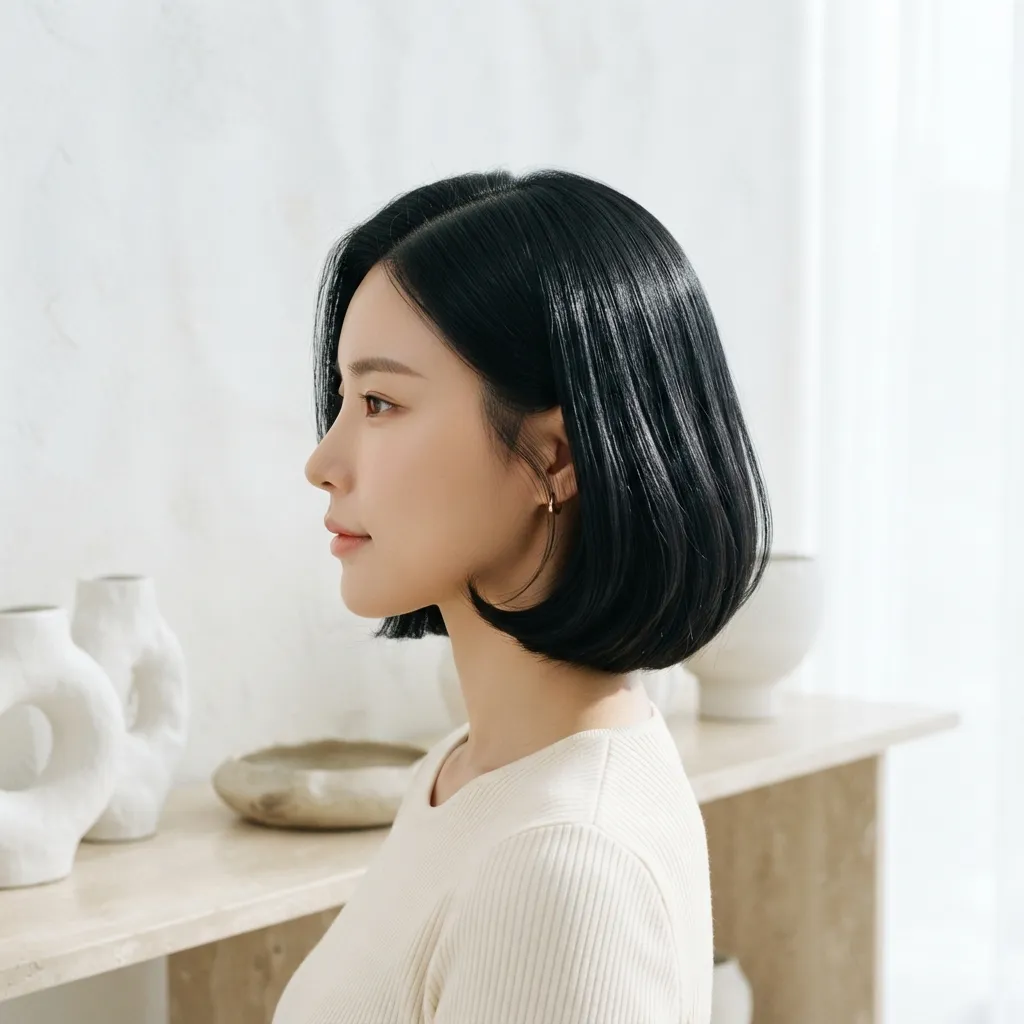
A Korean layered bob gives the classic bob a softer and more dimensional finish. Instead of keeping every section at one precise length, subtle layers create movement around the ends and sides. The haircut can sit around the chin, jaw, or slightly below the shoulders. This makes it flexible for different face shapes and styling preferences.
A softly curved end is often more flattering than a perfectly blunt finish when you want a relaxed Korean look. The front pieces can be slightly longer to frame the jaw. Blow drying the ends inward creates a neat silhouette, while allowing them to bend naturally gives a more casual result.
This hairstyle is useful for anyone who wants to remove length while keeping some movement. It can also make thick hair feel lighter around the ends. Fine hair may benefit from a more compact version with fewer layers so the bob retains its density.
4. See Through Bangs With Long Layers
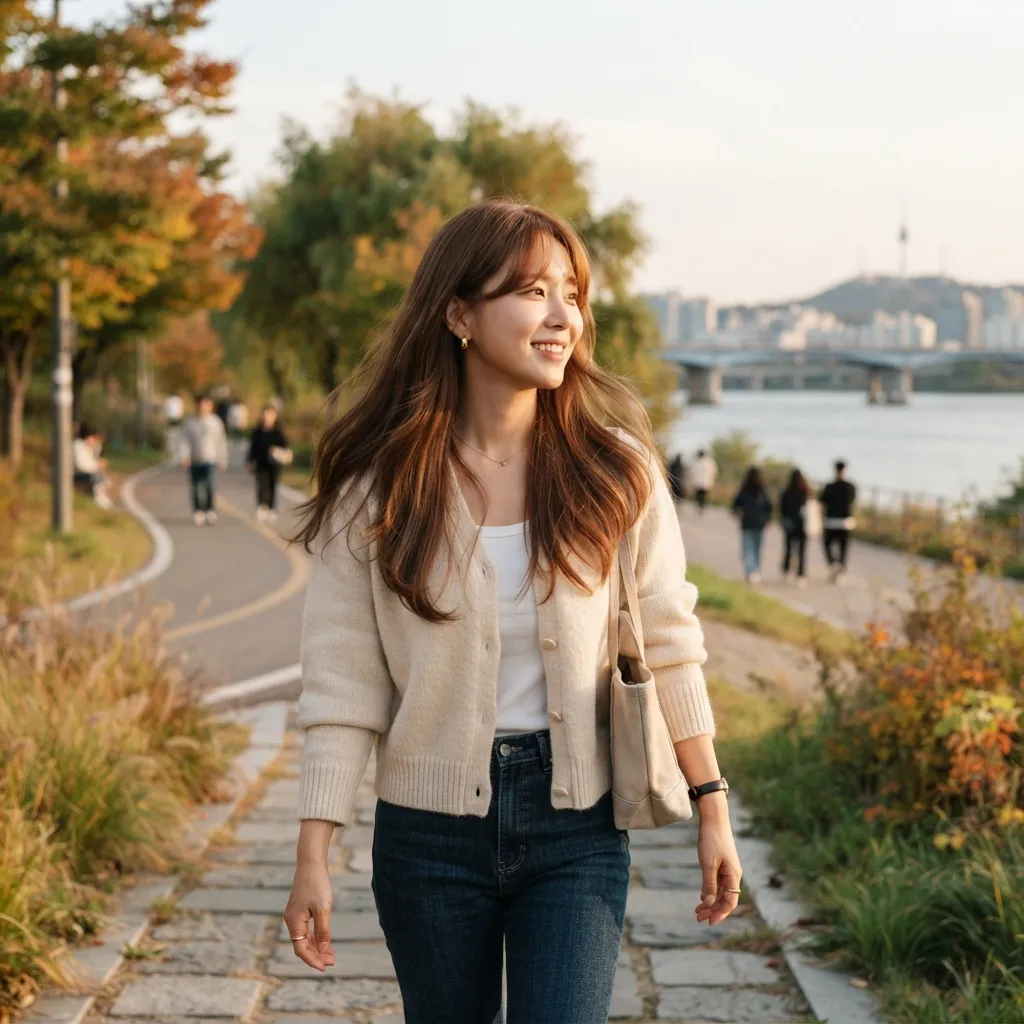
See through bangs paired with long layers create one of the most recognizable soft Korean hair combinations. The fringe remains thin enough for the forehead to show through, while long layers keep the rest of the hair flowing. The result feels feminine without creating a strong visual break across the forehead. It is especially effective on medium and long hair.
The bangs should be cut lightly so they do not become a thick block. Longer side sections help connect the fringe to the cheek and jaw area. When styling, blow dry the fringe forward first and then curve it slightly to one side. The long layers can be given loose bends for extra movement.
This combination works well when you want face framing without a heavy fringe. It can also be adapted to different lengths by changing where the shortest layer begins. People with naturally straight hair may find the shape particularly easy to maintain.
5. C Curl Bob
The C curl bob gets its name from the curved shape created at the ends of the hair. The ends bend inward toward the neck, forming a clean C shaped silhouette. This simple movement makes a short haircut look polished without requiring curls throughout the hair. It is particularly popular as a neat everyday hairstyle.
The curve is easiest to create with a round brush and blow dryer or a straightener used gently at the ends. Keep the upper section relatively smooth so the curved tips remain noticeable. A slight lift at the roots prevents the bob from appearing too flat. The front pieces can be curved inward more strongly to frame the cheeks.
This style works especially well with straight or lightly wavy hair. It can be worn with a center part for symmetry or a soft side part for extra volume. Because the styling is concentrated at the ends, it can also be refreshed quickly on busy mornings.
6. Long Curtain Bangs
Long curtain bangs create a soft opening around the face while blending naturally into longer hair. The fringe is parted near the center and gradually becomes longer toward the cheeks. This creates a gentle frame instead of a sharp horizontal line. The style is particularly useful if you want bangs without committing to a short fringe.
The length gives you several styling options. You can blow the bangs outward for a fuller shape or leave them closer to the face for a more subtle frame. The transition into the longer layers should be smooth so the bangs do not appear detached. Regular trimming helps preserve the shape, especially around the shortest pieces.
This hairstyle works across many hair lengths. It can soften a long straight haircut or add movement to a layered style. If you are growing out shorter bangs, this is also a practical stage because the longer pieces can blend into the rest of the hair.
7. Wolf Cut With Soft Korean Layers
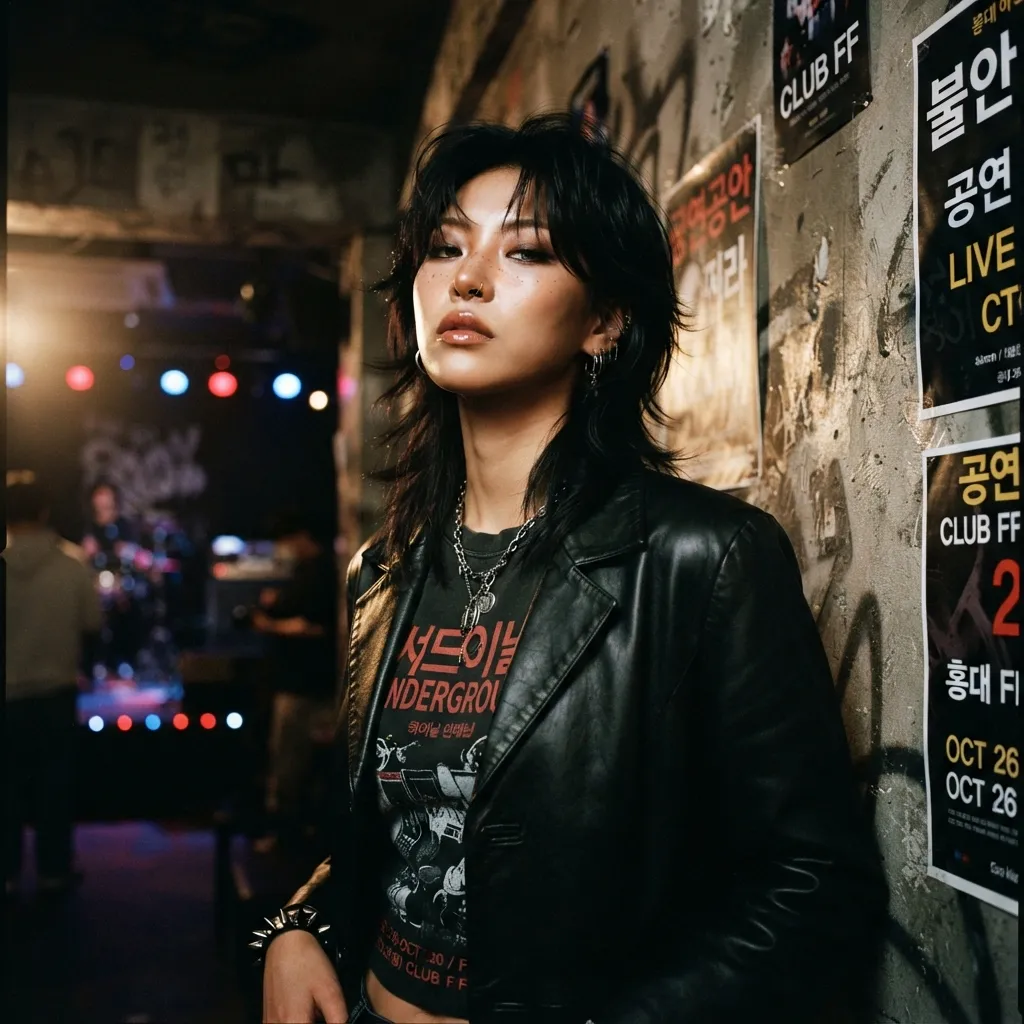
A soft Korean wolf cut combines shorter crown layers with longer lengths to create volume and movement. Unlike a very dramatic shag, the Korean interpretation can be more controlled and wearable. The upper layers provide lift while the lower sections preserve length. This creates a textured silhouette without making the haircut look excessively choppy.
The styling can change the personality of the cut. Blow drying the crown upward creates more volume, while leaving the layers natural produces a softer appearance. Face framing sections can be curved away from the cheeks to emphasize the layered shape. A lightweight texturizing product can define the ends without making them stiff.
This haircut is a good option for someone who wants more movement than a traditional long layered cut. It can work particularly well with medium to thick hair because the layers remove some weight. Fine hair can also wear the style, but the number and depth of layers should be adjusted carefully.
8. Korean Long Perm Waves
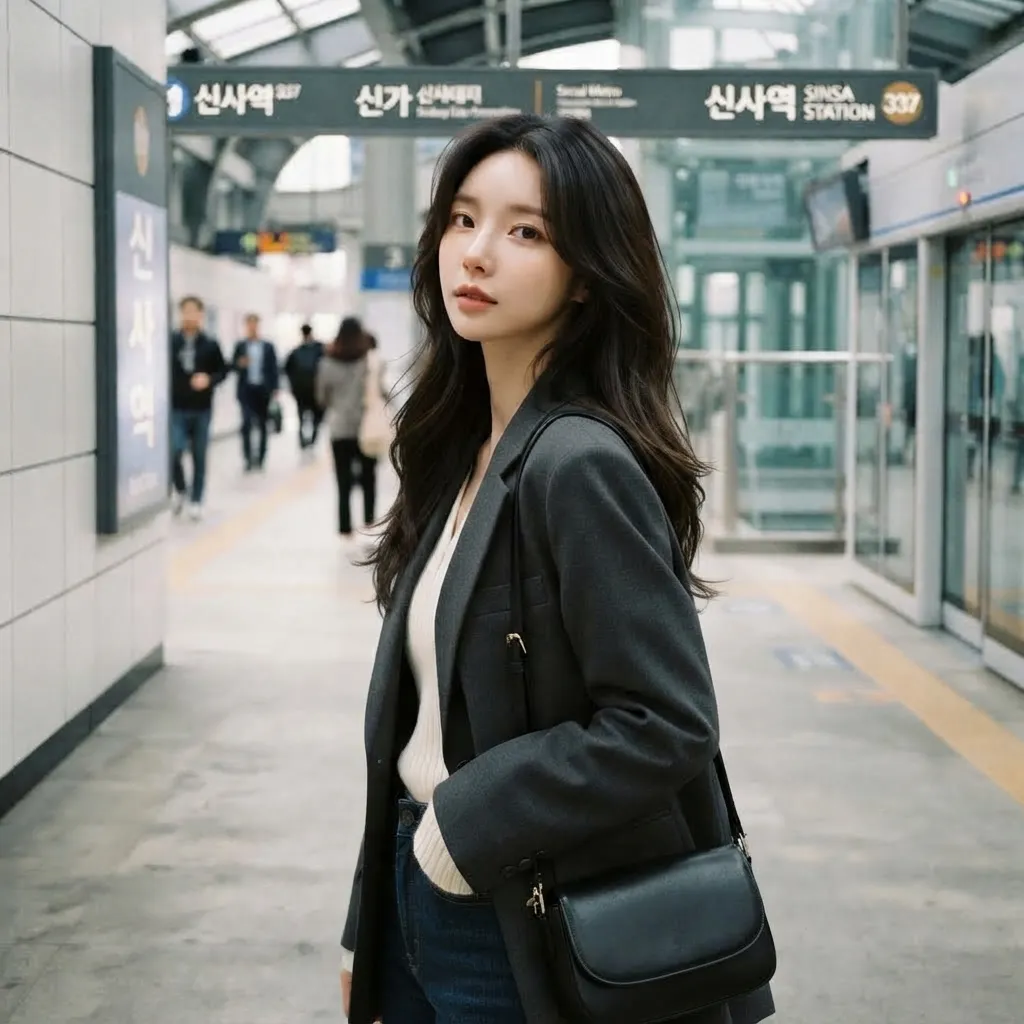
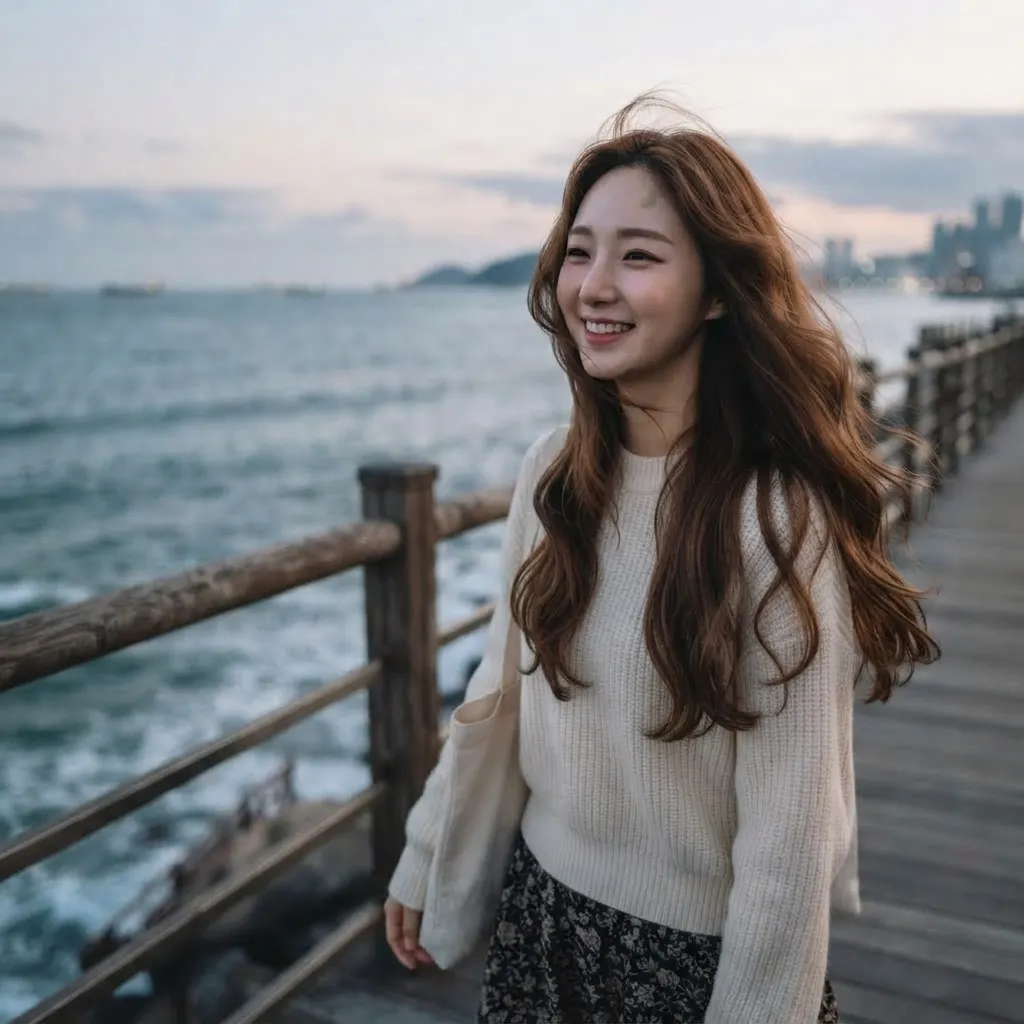
Korean long perm waves create loose, flowing movement rather than tight curls. The waves begin gently around the mid lengths and continue through the ends, giving long hair a soft shape. The result can look styled even when the texture remains relaxed. It is a popular choice for anyone who wants more movement without losing length.
The wave pattern should be broad and consistent. Smaller curls can make the hairstyle look more formal, while larger bends create the softer Korean effect. Face framing sections can be curled away from the cheeks to open the face. A lightweight curl cream can help define the waves while preserving flexibility.
This style can be adapted to naturally straight or slightly wavy hair. Those with naturally curly hair can also use the overall shape as inspiration while keeping their own curl pattern. The main goal is flowing movement rather than perfect uniformity.
9. Short Korean See Through Bob
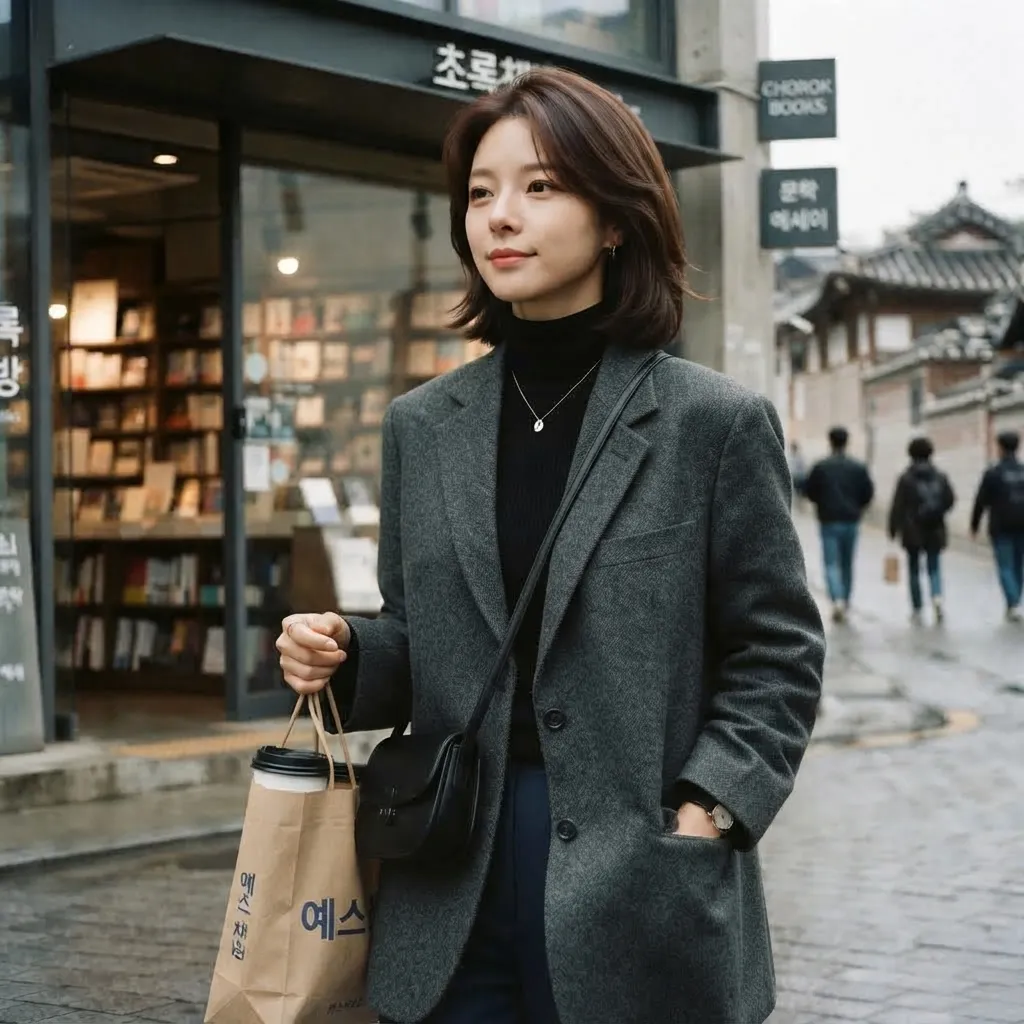
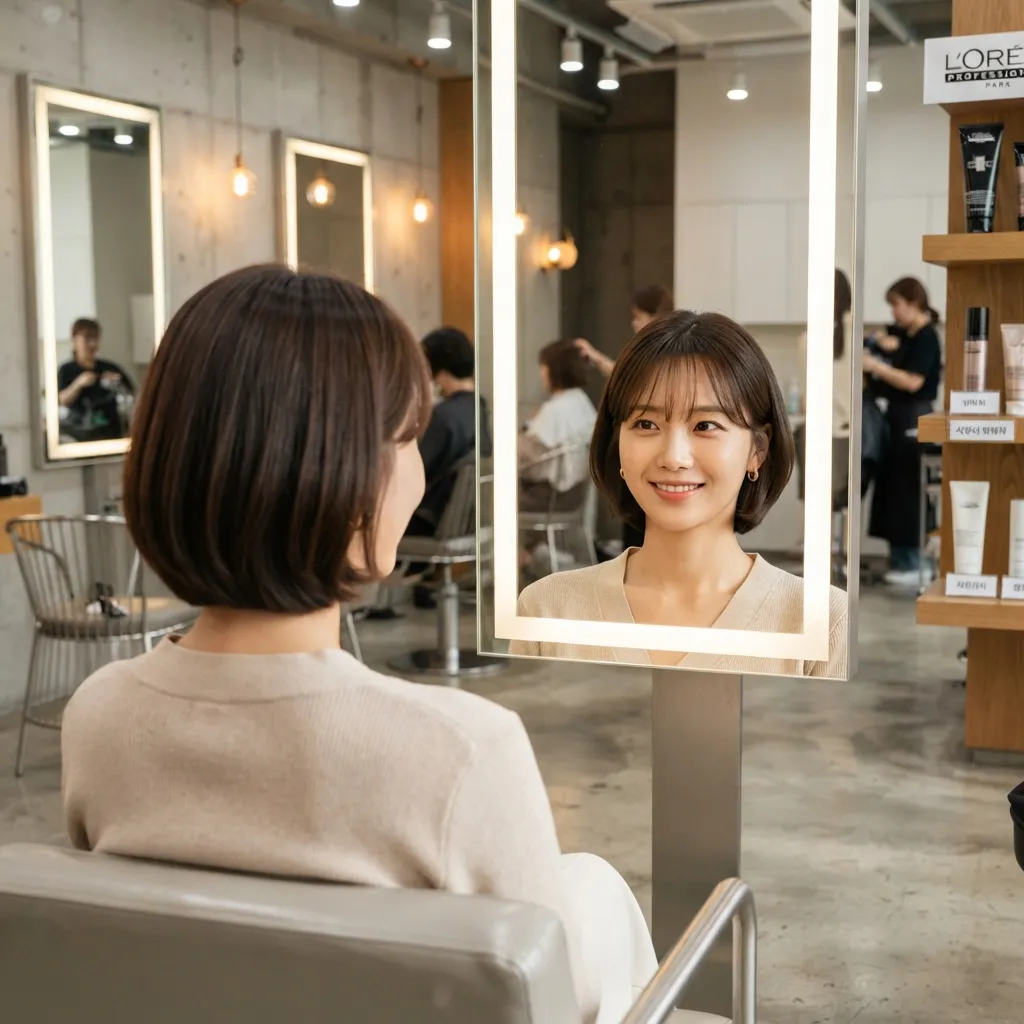
A short Korean see through bob combines a compact haircut with light, delicate fringe. The bob usually sits around the jaw while the ends remain softly shaped instead of extremely blunt. See through bangs keep the forehead visible and prevent the short length from feeling too heavy. The combination gives the face a neat but gentle frame.
The haircut can be worn with a center part or a slightly off center part. Blow drying the ends inward creates the cleanest Korean inspired shape. If you prefer a more relaxed finish, allow a few ends to turn naturally instead of forcing every section into place. The fringe can be separated with the fingertips after drying.
This is a useful option for someone who wants a noticeable haircut change. The shorter length can feel fresh and lightweight while remaining easy to style. Regular trims are important because small changes in length can quickly alter the shape of a short bob.
10. Layered Hair With Face Framing Pieces
Layered hair with face framing pieces creates a flexible Korean inspired style without relying on a dramatic haircut. The longest layers preserve the overall length while shorter pieces shape the area around the forehead, cheeks, and jaw. This creates movement where it is most visible. The rest of the hair can remain relatively simple.
The face framing should be tailored to your features and preferred parting. Shorter pieces can begin around the cheekbones for a more noticeable frame, while longer pieces create a subtler transition. Blow drying the front sections away from the face brings out their shape. The lengths can remain straight or receive soft waves.
This style is particularly useful if you want to update long hair without losing much length. It can also be combined with Korean bangs or a center part. Because the layers are concentrated around the face, the haircut can look noticeably different even when the back remains long.
Korean Hairstyles for Different Hair Lengths
Short hair works especially well with C curl bobs, short layered bobs, and see through fringe. These cuts create shape without requiring long styling routines. The ends can be curved inward or left slightly textured for a more relaxed appearance.
Medium length hair gives you plenty of room to experiment with layered bobs, soft wolf cuts, curtain bangs, and gentle waves. It is also long enough for face framing layers to create visible movement. This length can be particularly versatile if you change your parting often.
Long hair is ideal for hush cuts, long layers, curtain bangs, and Korean inspired loose waves. The additional length allows multiple layers to blend gradually. You can also preserve most of your existing length while creating a noticeable change around the face.
How to Ask for a Korean Hairstyle at the Salon
The easiest way to explain a Korean hairstyle is to show a clear reference image and describe the features you want to keep. Tell your stylist whether you want to preserve length, add layers, change your fringe, or create more volume. A reference image gives the stylist a better idea of the shape you have in mind.
Be specific about maintenance as well. If you prefer a hairstyle that looks good with minimal styling, say so before the cut begins. Your stylist can then avoid creating layers or bangs that need daily heat styling to sit correctly.
Hair density is another important detail to discuss. Thick hair may need weight removed from specific areas, while fine hair often benefits from keeping the ends fuller. The same Korean haircut can therefore require a different cutting approach depending on the person wearing it.
How to Style Korean Hair at Home
Korean hairstyles usually look best when the styling keeps the hair light and mobile. A round brush can create the curved ends and lifted roots found in many Korean haircuts. For waves, use larger sections and avoid creating tight curls that make the finish too formal.
Bangs need their own styling routine. Blow dry them in the direction you want them to sit, then use your fingers to separate the strands once they cool. A small amount of lightweight product can control flyaways without turning delicate bangs into a stiff block.
Do not overwork the hair. Korean inspired hairstyles often depend on soft movement and natural texture. Too much hairspray, teasing, or heavy styling cream can remove the airy finish that makes these cuts distinctive.
Conclusion
Korean hairstyle trends offer a useful mix of polished shapes and relaxed texture. From airy bangs and C-curl bobs to hush cuts, soft wolf cuts, long layers, and flowing waves, the styles can be adapted to many hair lengths and textures.
The most important part is choosing the elements that suit your own hair. You may love the look of Korean see through bangs but prefer a longer fringe for easier maintenance. Or you may want the movement of a hush cut while keeping most of your current length.
A good Korean inspired hairstyle should feel natural when you leave the salon and manageable when you style it at home. Focus on the shape, face framing, and texture you want, then let those details guide the final haircut.
Frequently Asked Questions
What are Korean hairstyles known for?
Korean hairstyles are often known for soft layers, delicate bangs, face framing pieces, curved ends, and natural looking movement. Many styles aim for a polished finish without excessive volume or heavy styling.
What is the most popular Korean haircut?
There is no single Korean haircut that suits everyone, but layered styles, see through bangs, curtain bangs, bobs, and soft long layers are common sources of Korean hairstyle inspiration.
What are Korean see through bangs?
Korean see through bangs are thin, lightweight bangs that allow part of the forehead to remain visible. They are usually softer and less dense than traditional full bangs.
What is a Korean hush cut?
A Korean hush cut is a softly layered haircut with lighter layers around the face and through the lengths. It creates movement while allowing longer hair to retain much of its length.
Are Korean hairstyles good for straight hair?
Yes. Straight hair can work particularly well with Korean bobs, C curl ends, see through bangs, and layered styles. The smooth texture makes the haircut's shape easy to see.
Can Korean hairstyles work on thick hair?
Yes, but the layering needs to be adjusted to the hair's density. Removing weight from selected areas can make thick hair move more naturally without making the ends look excessively thin.
What Korean hairstyle works best for long hair?
Hush cuts, long layered hair, curtain bangs, face framing layers, and soft Korean wave styles are good choices for long hair. They add movement while preserving length.
How do you style Korean bangs?
Korean bangs are usually styled with a blow dryer and a small round brush. Dry the fringe in the desired direction, then separate the strands lightly with your fingers for an airy finish.
Do Korean hairstyles require a lot of maintenance?
Maintenance depends on the haircut. Short bobs and bangs usually need more frequent trims, while long layered styles can grow out more gradually.
Can I get a Korean hairstyle without changing my hair length?
Yes. Adding curtain bangs, see through bangs, or face framing layers can create a Korean inspired appearance while keeping most of your existing length. Subtle changes in texture can also make long hair feel completely refreshed.