Side Part Hairstyles: 20 Modern Ways to Wear the Look

Introduction
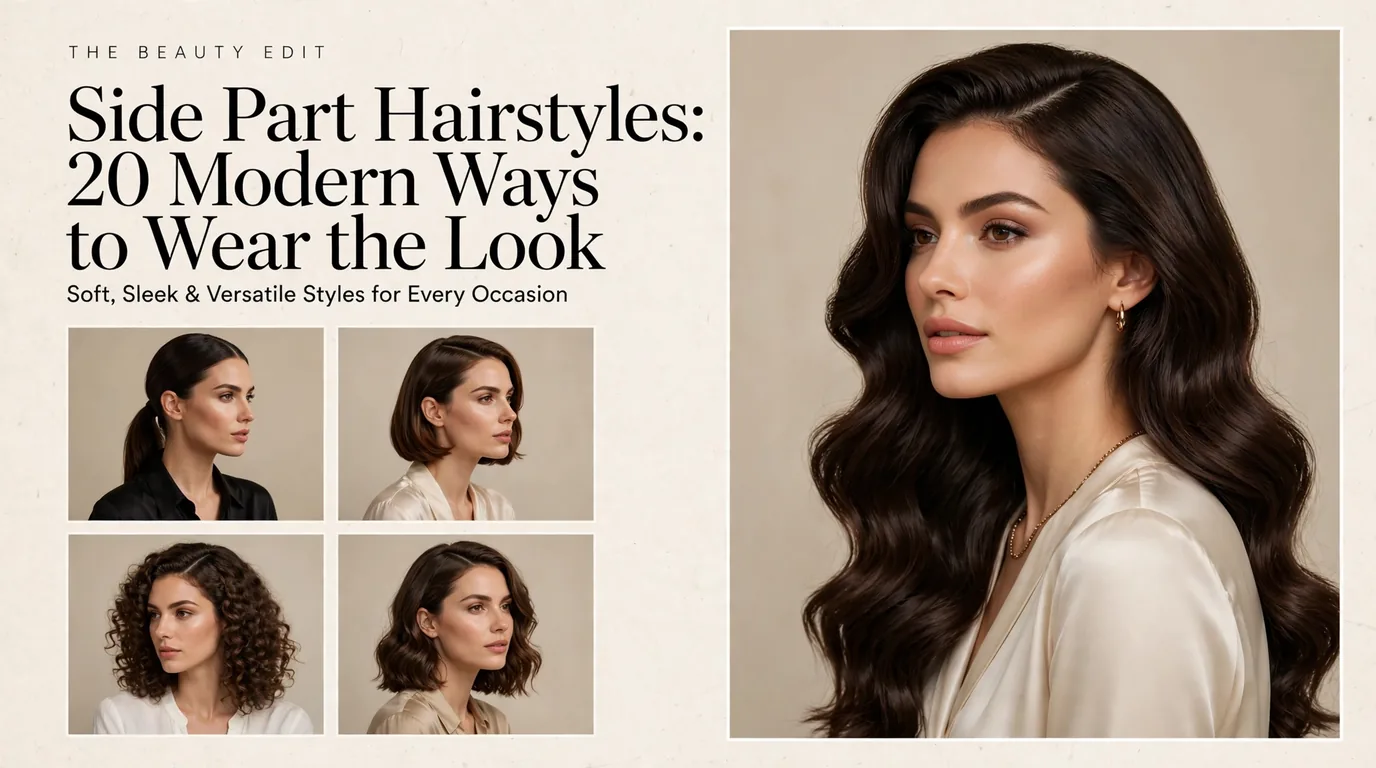
A side part can change the entire appearance of a hairstyle without requiring a new haircut. Moving the part away from the center creates an uneven balance that adds shape, direction, and movement to the hair. Depending on how deeply you place it, the result can look soft and romantic, sleek and polished, or full of volume.
Side part hairstyles suit many hair lengths and textures. They work with short bobs, long layers, natural curls, straight hair, and formal updos. You can also adjust the part to suit your preferred styling routine. A subtle side part gives a gentle shift in shape, while a deep side part creates more noticeable volume and a dramatic sweep across the forehead.
The following 20 side part hairstyles show how many ways you can wear this classic look today. Each idea offers a different approach, from everyday hairstyles to polished options for parties, weddings, and special events.
20 Side Part Hairstyles to Try
1. Deep Side Part With Soft Hollywood Waves
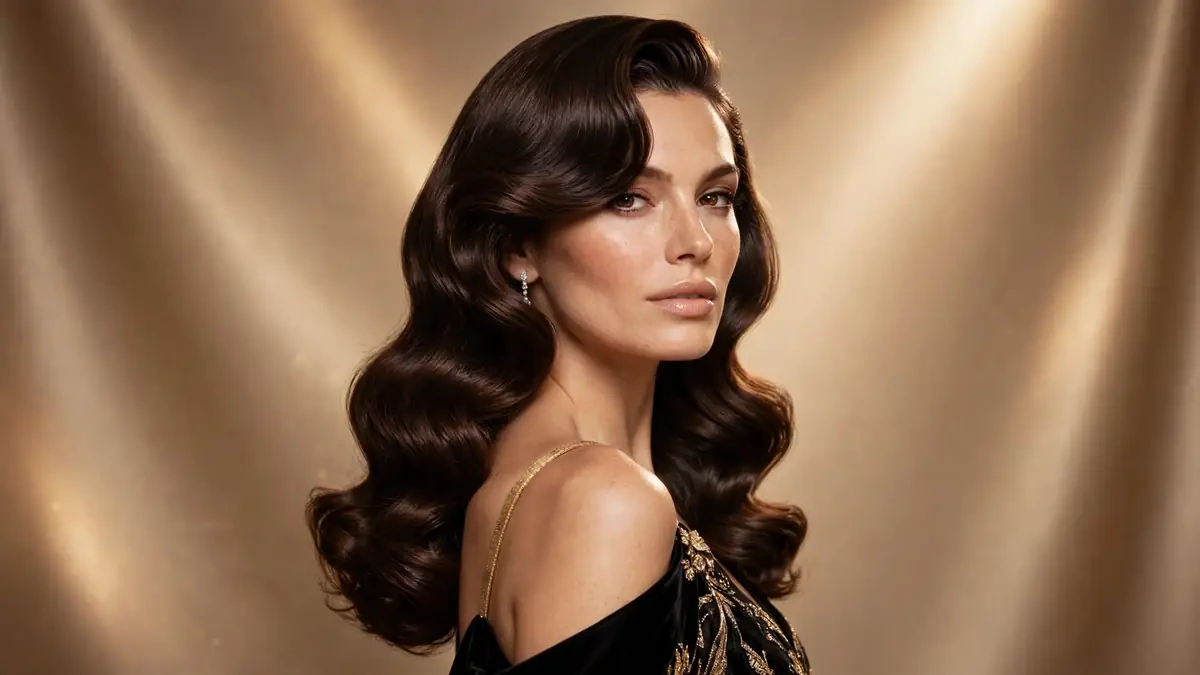
A deep side part with soft Hollywood waves creates a glamorous hairstyle with plenty of movement. The hair is swept across the forehead before falling into smooth, defined waves. This gives one side more volume while the opposite side stays closer to the head. The result has a classic red carpet feel without looking overly formal.
The waves should have a consistent shape rather than a loose beachy texture. Use a large barrel curling iron and curl the sections in the same direction. Once the hair cools, brush through the curls gently to create a connected wave pattern. A lightweight shine spray can help the finished style look smooth.
Long hair gives these waves plenty of room to fall, but the look also works on medium length hair. A deep side part is particularly useful when you want to create a fuller appearance around the crown. Pair it with statement earrings or a simple evening outfit for a polished finish.
2. Side Part With a Sleek Low Ponytail
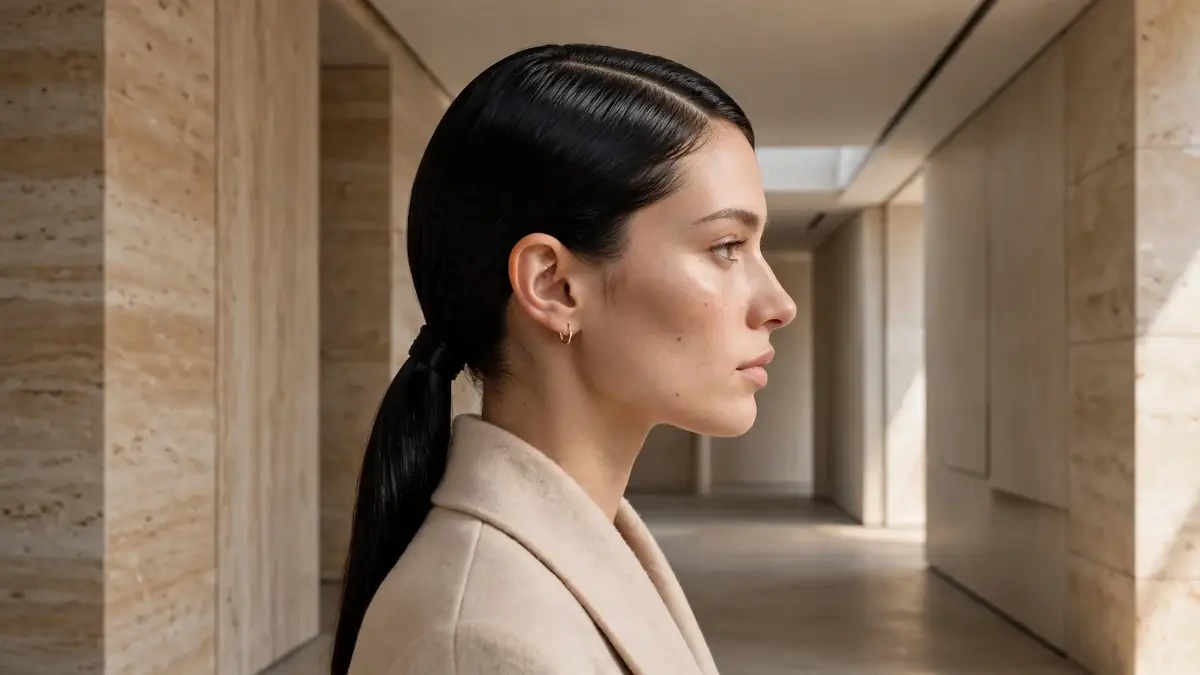
A sleek low ponytail becomes more refined when paired with a side part. The front section is brushed smoothly across the head and gathered at the nape. This creates a clean outline around the face while keeping the length secured behind the neck. It is a practical option that still looks carefully styled.
For a smooth finish, apply a small amount of styling cream before brushing the hair into place. Keep the ponytail tight enough to hold its shape but avoid pulling too hard at the roots. A section of hair wrapped around the elastic gives the style a more finished appearance. You can leave the ponytail straight or add a slight bend through the ends.
This hairstyle works on medium and long hair, especially when the ends are healthy and smooth. It can suit office outfits, formal events, and everyday wear. A side part adds interest to a style that might otherwise feel very simple.
3. Side Part Bob With Rounded Ends
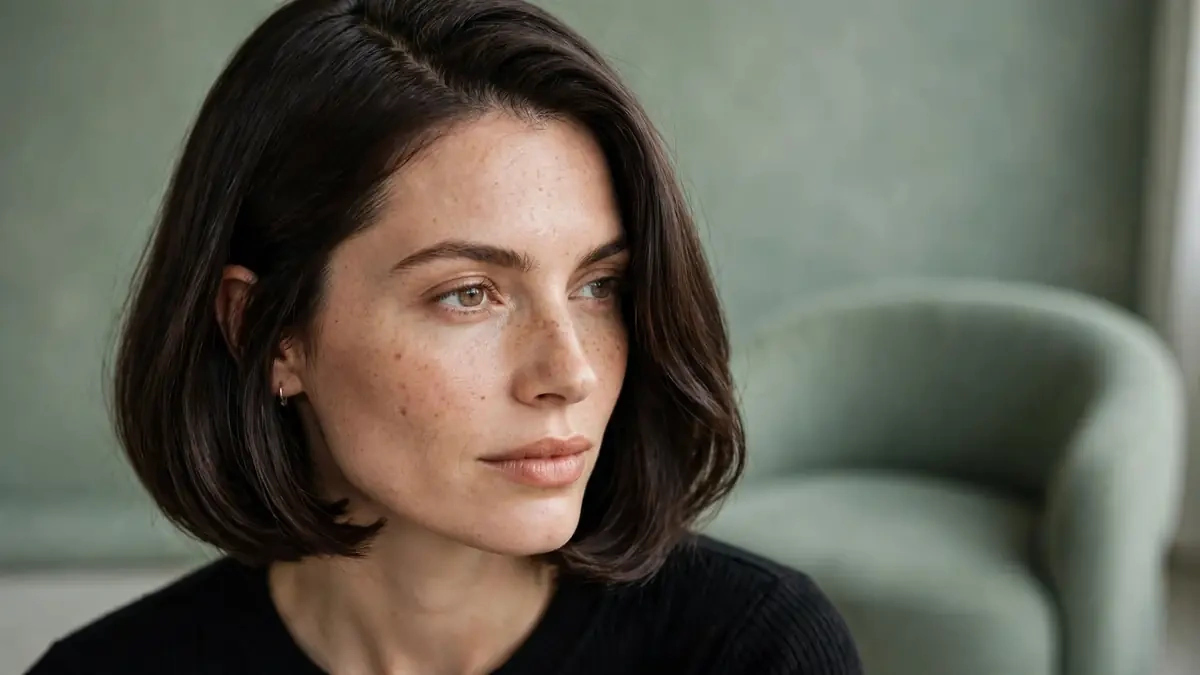
A side part gives a rounded bob more shape and dimension. The shorter front section falls across the forehead, while the longer side frames the cheek and jawline. Curved ends add softness and help the haircut maintain a smooth outline. This combination feels neat, modern, and easy to style.
A round brush is useful for creating the inward curve at the ends. Direct the hair slightly toward the face as you dry it, then lift the roots near the part for a little volume. The finish should look rounded rather than stiff. A light smoothing serum can control flyaways without flattening the haircut.
This style works particularly well on chin length and jaw length bobs. Fine hair can benefit from the rounded shape because it gives the ends a fuller appearance. If you prefer a more relaxed result, allow a little natural texture to remain instead of making every section perfectly smooth.
4. Side Part With Loose Beach Waves
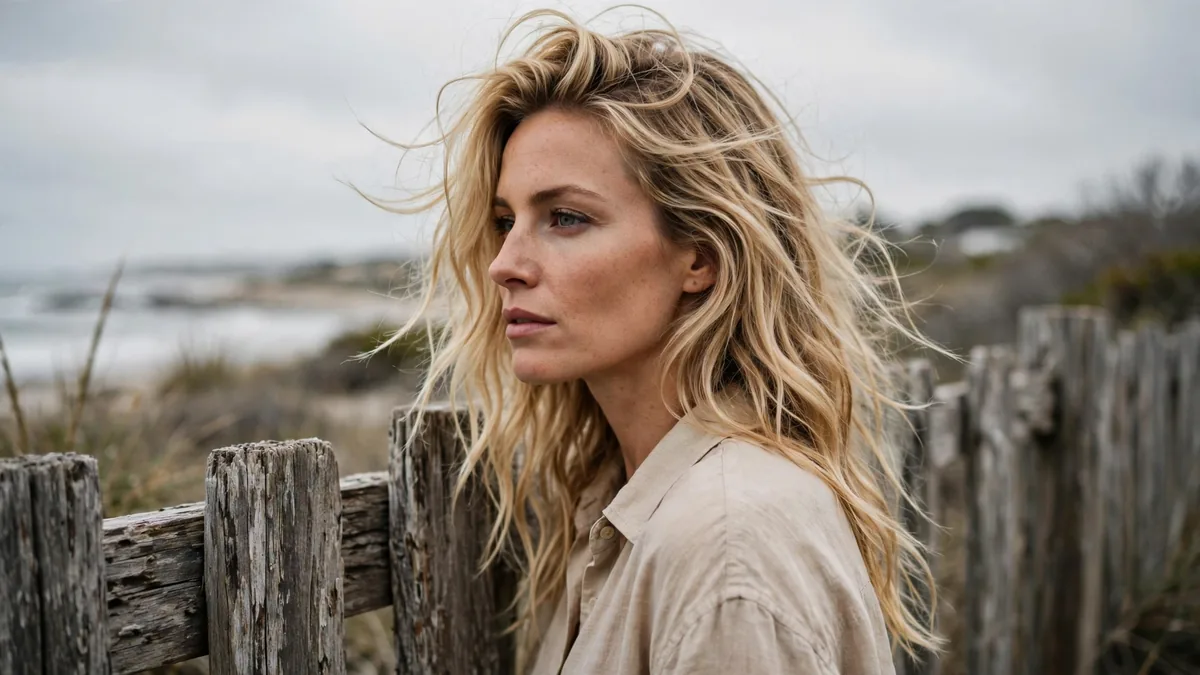
Loose beach waves look more relaxed when styled with a side part. The hair falls in soft, uneven waves, while the shifted part gives the roots a little extra lift. This creates a natural shape that does not depend on perfectly defined curls. The overall finish feels casual and effortless.
Use a medium curling wand to create loose bends through the middle and lower sections. Alternate the direction of a few curls so the result does not look too uniform. Leave the ends slightly straighter for a more natural texture. Finish by separating the waves with your fingers rather than brushing them into a smooth pattern.
This side part hairstyle suits long and medium length hair with natural movement. It also works well with subtle highlights because the waves help show different tones throughout the hair. A texturizing spray can add grip if your hair tends to fall flat.
5. Side Part With a Voluminous Blowout
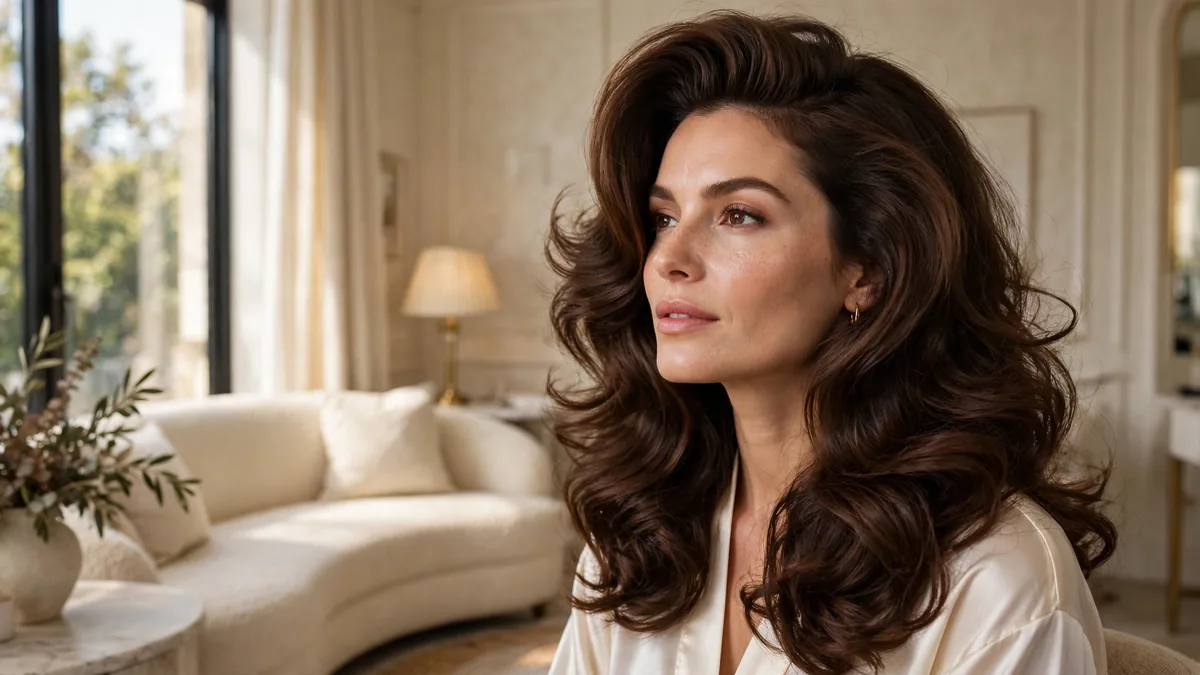
A voluminous blowout uses a side part to create height at the roots and movement through the lengths. The hair is lifted away from the scalp before being shaped into smooth, bouncy sections. The deeper part gives one side a fuller sweep, making the overall hairstyle look more dynamic. It is a good choice when you want polished volume without tight curls.
Start with a volumizing mousse at the roots and dry the hair in sections. Use a round brush to lift each section while directing the airflow downward for a smooth finish. Large rollers can help the shape cool and hold its volume. Once the hair is set, brush it lightly to blend the sections.
Medium and long layered hair are especially suitable for this look. Layers help the blowout move instead of sitting as one heavy shape. If your hair is naturally fine, focus on root lift and avoid applying too much product near the scalp.
6. Side Part With Curly Hair
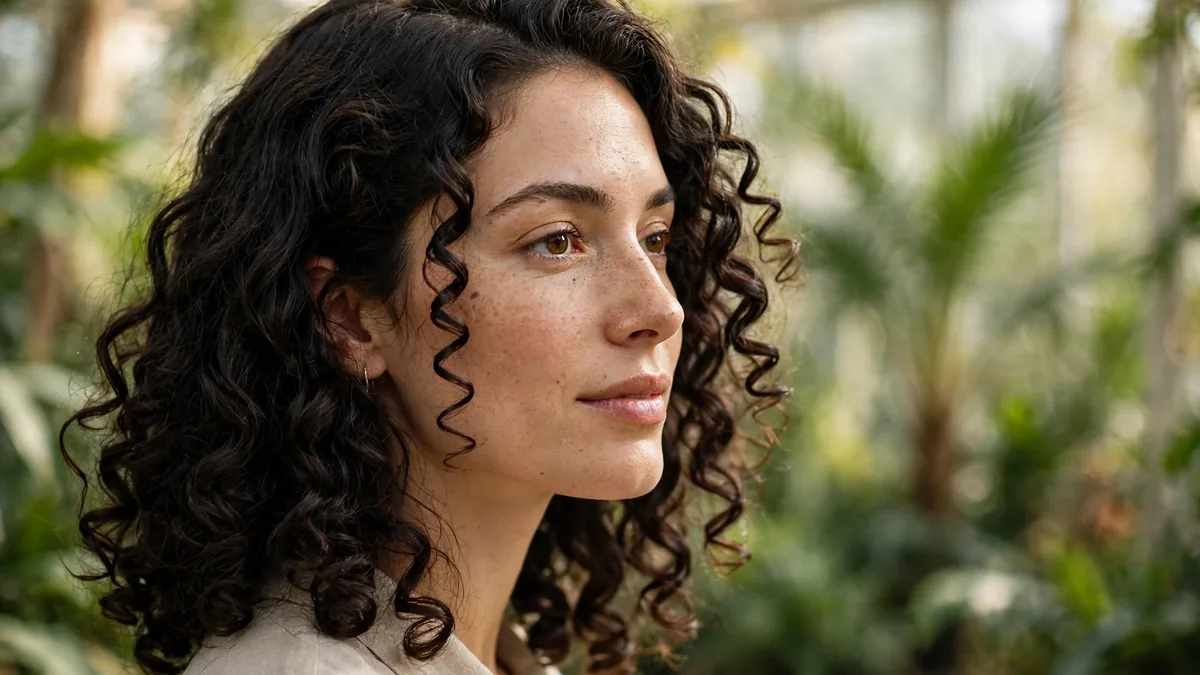
A side part can give naturally curly hair a fuller and more expressive shape. Shifting the part allows the curls to fall at different heights around the face. It also creates a little extra volume on the heavier side. The result celebrates the natural curl pattern instead of forcing the hair into a different texture.
Apply leave in conditioner or curl cream to damp hair, then distribute it evenly through the lengths. Use your fingers to define individual curl sections before allowing the hair to air dry or using a diffuser. Avoid brushing the curls once they are dry, as this can disrupt their shape. A gentle root lift can help maintain volume around the part.
This hairstyle works with loose curls, defined ringlets, and tighter curl patterns. The best part placement depends on how your curls naturally fall. If one side tends to become fuller, use that movement to guide the final shape.
7. Side Part With a Braided Crown
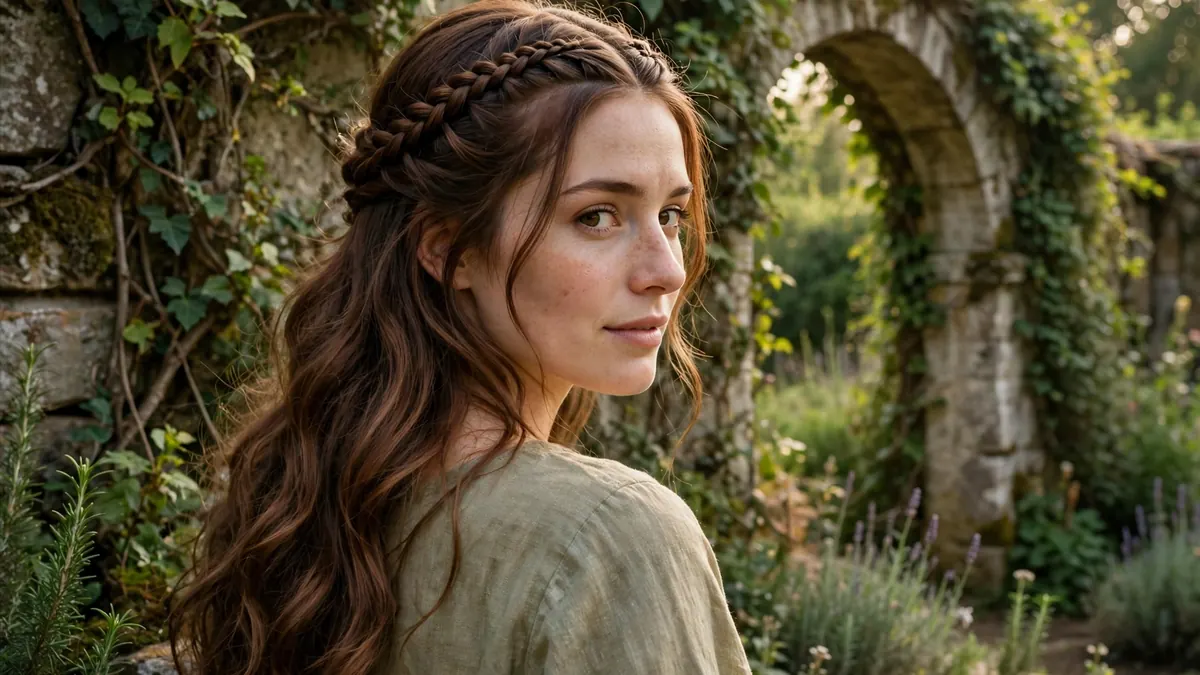
A braided crown with a side part combines a decorative braid with soft hair around the face. The braid begins near the deeper part and travels along the hairline before blending into the rest of the hairstyle. This creates a gentle frame without pulling all the hair away from the face. The remaining lengths can stay loose or be gathered at the back.
Separate a small section near the part and create a French or Dutch braid along the hairline. Keep the braid close to the head so it follows the natural curve. Secure it discreetly behind the ear or blend it into a loose section at the back. Pulling the braid slightly wider can make it look fuller.
Long hair gives the braid more length, but shoulder length hair can also support a smaller crown detail. This look suits outdoor celebrations, casual weddings, and relaxed weekend styling. It is a useful option when you want a hairstyle with detail but do not want a full updo.
8. Side Part With a Messy Bun
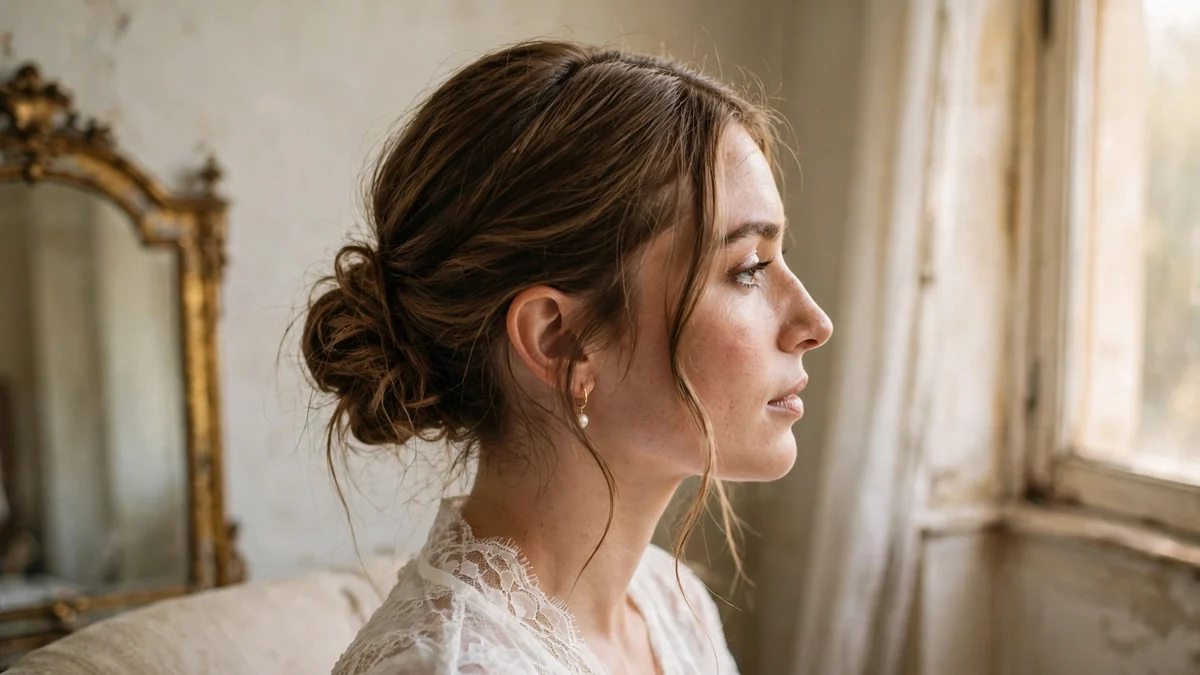
A messy bun looks more balanced when the front sections follow a side part. The hair is gathered loosely at the back, leaving a few soft pieces around the temples and cheeks. This creates an undone shape without making the hairstyle look careless. The bun itself can sit at the nape or slightly higher.
Begin by creating the side part before gathering the hair. Twist the lengths into a loose bun and secure them with pins that match your hair color. Gently loosen the crown to create a little height, then pull out a few face framing strands. A flexible hairspray will help hold the shape while allowing natural movement.
This hairstyle works with medium and long hair, including layered cuts. It is especially useful when you want hair away from your neck but still prefer a soft finish. A few loose waves in the front sections can make the result feel more romantic.
9. Side Part With a High Ponytail
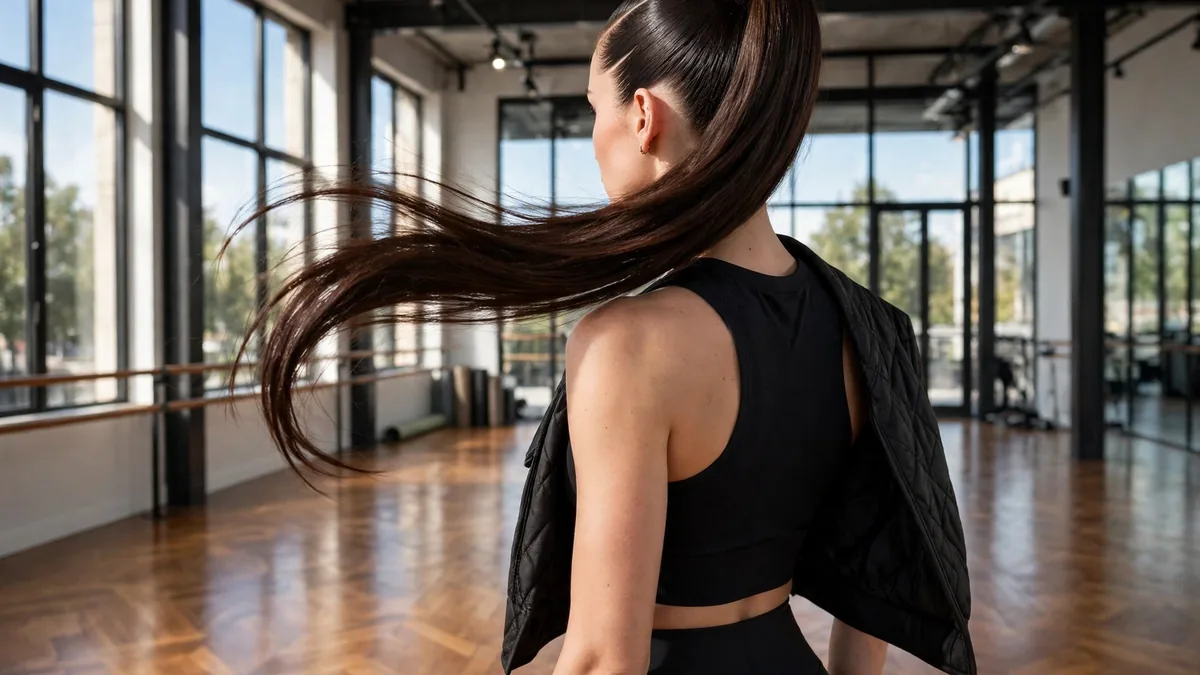
A high ponytail with a side part creates a sharper, more energetic silhouette. The front hair is swept diagonally across the forehead before being secured high at the back of the head. This adds shape around the face and gives the ponytail a lifted appearance. The long tail can remain straight, wavy, or curled.
Brush the hair upward from the nape and sides, keeping the part visible at the front. Secure the ponytail firmly, then wrap a small section around the elastic if you want a cleaner finish. For extra movement, curl the ponytail in large sections and separate the curls gently. Avoid making the crown too tight if you want a softer result.
This style is a strong option for long hair because the length becomes a clear feature. Medium hair can also work with a high ponytail, although shorter layers may need pins or styling cream. It suits casual outfits, active days, and evening looks.
10. Side Part With Feathered Layers
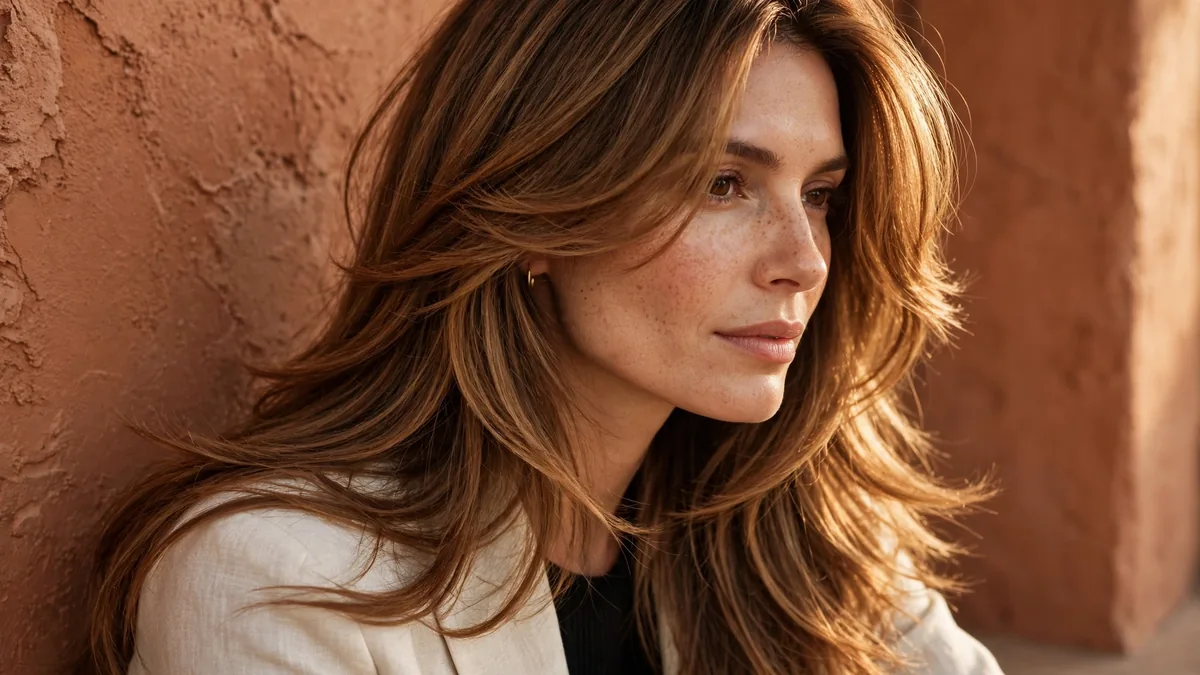
Feathered layers create movement around the face and through the lengths, while a side part makes the front sections more noticeable. The hair is shaped so the layers sweep away from the face rather than falling in one straight line. This gives the hairstyle a soft, flowing finish. It also brings attention to the cheekbones and jawline.
A round brush helps direct the shorter layers outward during styling. Focus on the sections around the face first, then add a gentle bend to the remaining lengths. The hair should have movement without looking overly curled. A light finishing cream can keep the layers smooth while allowing them to separate naturally.
This haircut works particularly well on medium and long hair. It can be a useful choice if you want movement without losing much length. The side part also helps create a fuller shape at the front, especially when the layers are cut to frame the face.
11. Side Part With a Textured Pixie Cut
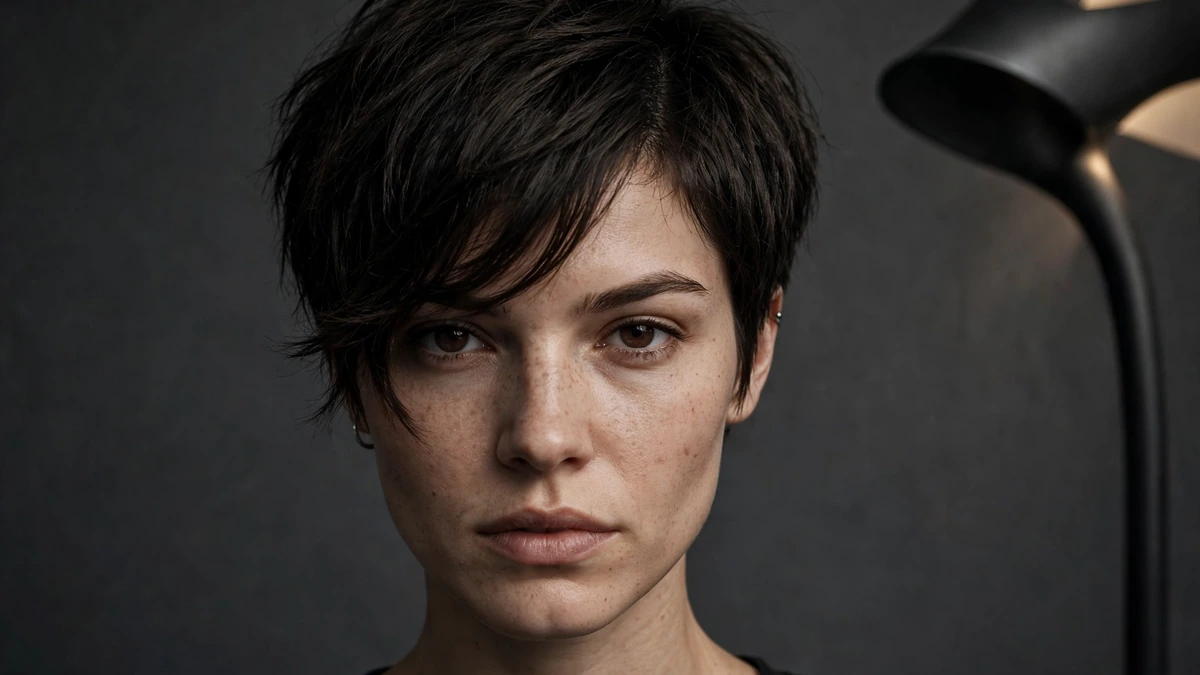
A side part adds direction to a textured pixie cut and makes the short layers look more defined. The longer front section can sweep across the forehead, while the sides and back stay closely shaped. This contrast gives the haircut a modern, slightly edgy character. It also allows a short cut to be styled in more than one way.
Work a small amount of texturizing paste through dry hair, focusing on the top layers. Use your fingers to direct the longer fringe toward one side. You can keep the texture soft for a casual finish or define individual pieces for a sharper appearance. Avoid heavy products that make short hair look flat.
This look suits people who want a low maintenance haircut with styling flexibility. The longer fringe can be adjusted to create a deeper or softer side part. It also works well with natural straight hair and lightly wavy textures.
12. Side Part With a Half Up Hairstyle
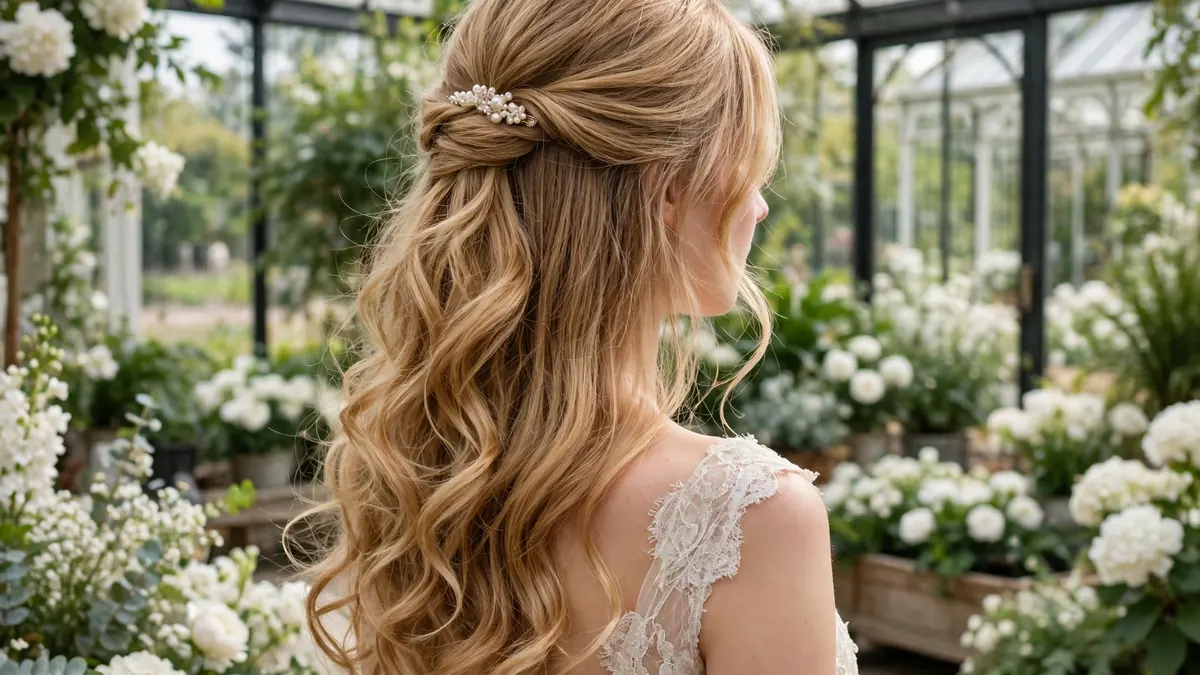
A side parted half up hairstyle keeps some hair away from the face while allowing the lengths to remain loose. The top section is gathered at the back, leaving the lower layers to fall over the shoulders. Starting with a side part gives the front a softer shape and makes the style look more detailed. It is a useful middle ground between wearing your hair down and choosing an updo.
Separate the top section from just above the ears and gather it at the back of the head. Secure it with a small clip, elastic, or decorative barrette. Leave the front section on the heavier side loose if you want more face framing movement. Soft curls through the lower lengths can add texture without making the hairstyle too formal.
This style works best on medium and long hair. Layers can add movement to the loose section, while thicker hair gives the half up portion more volume. It is suitable for family gatherings, dinners, and occasions where you want a neat but relaxed appearance.
13. Side Part With a Wet Look Finish
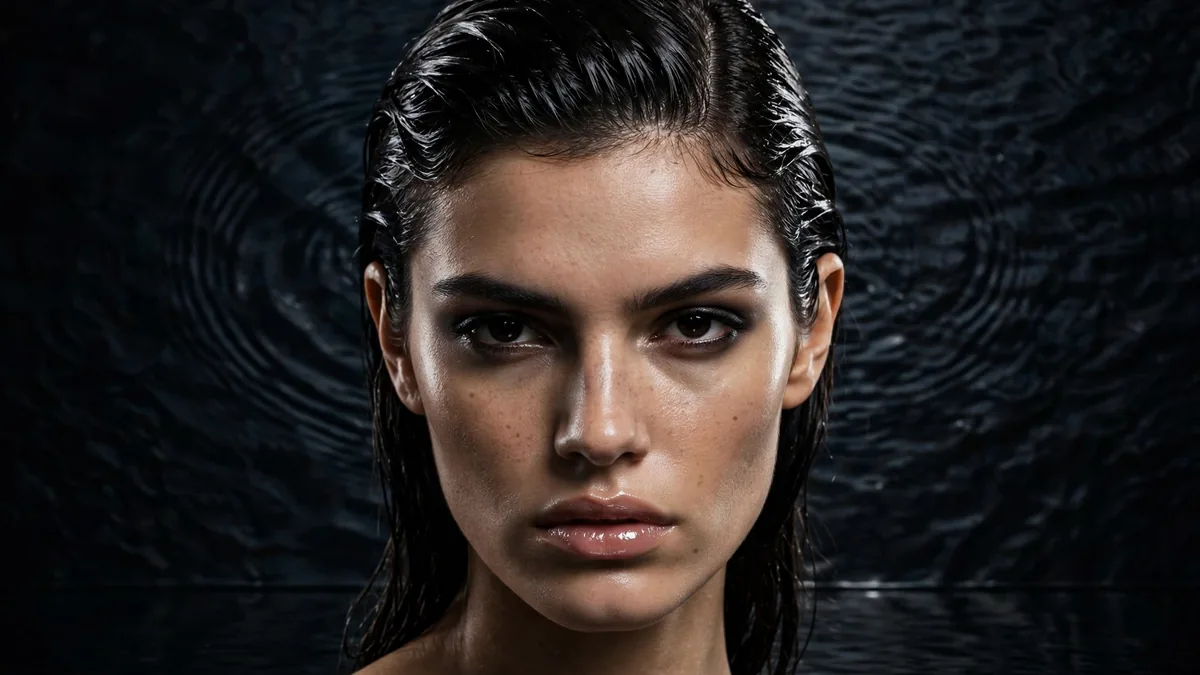
A wet look hairstyle with a deep side part creates a sleek, fashion forward finish. The hair is combed close to the head, with the front section directed firmly to one side. The lengths can be slicked back or left loose with a slightly damp appearance. The strong shine gives the hairstyle a bold and deliberate character.
Use a styling gel or wet look cream on damp hair, distributing it evenly from the roots through the upper lengths. Create the part with a fine tooth comb and guide the hair into place. For a controlled finish, keep the sides smooth and avoid applying too much product to the ends. A small amount of gloss spray can add shine after styling.
This look works with short, medium, and long hair. It is particularly effective for evening events, fashion shoots, and occasions where you want a more dramatic hairstyle. Straight hair makes the sleek finish easier to achieve, but curls can also be styled this way when properly prepared.
14. Side Part With a Shoulder Length Lob
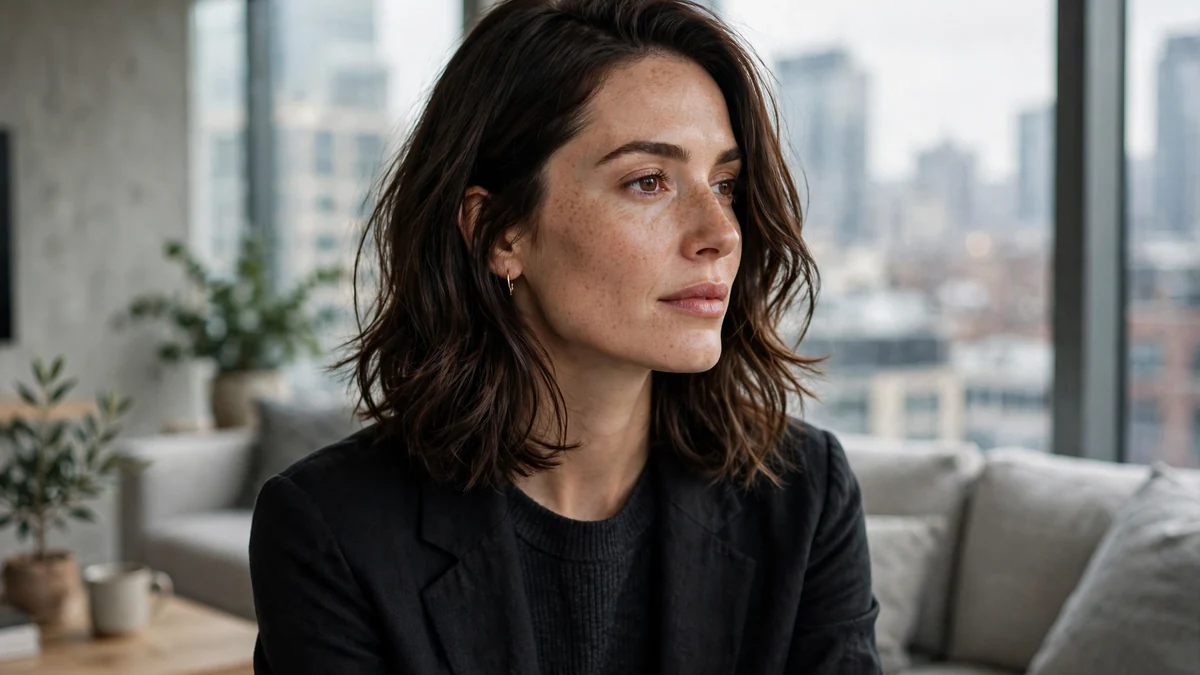
A shoulder length lob with a side part gives medium hair a fresh and balanced shape. The longer front pieces frame the face, while the shorter back keeps the haircut from feeling too heavy. A side part creates a little extra height and helps the front layers fall naturally. The result is versatile without requiring an elaborate styling routine.
For a smooth finish, blow dry the hair with a round brush and direct the front sections slightly away from the face. If you prefer a casual texture, use a flat iron to add a few loose bends through the lengths. Keep the ends soft rather than sharply curled. A little texturizing spray can help the lob hold its shape.
The lob suits many face shapes because its length can be adjusted around the jaw and shoulders. Fine hair may benefit from a blunt edge, while thicker hair can carry subtle internal layers. A side part adds variety if you usually wear your lob with a center part.
15. Side Part With a Fishtail Braid
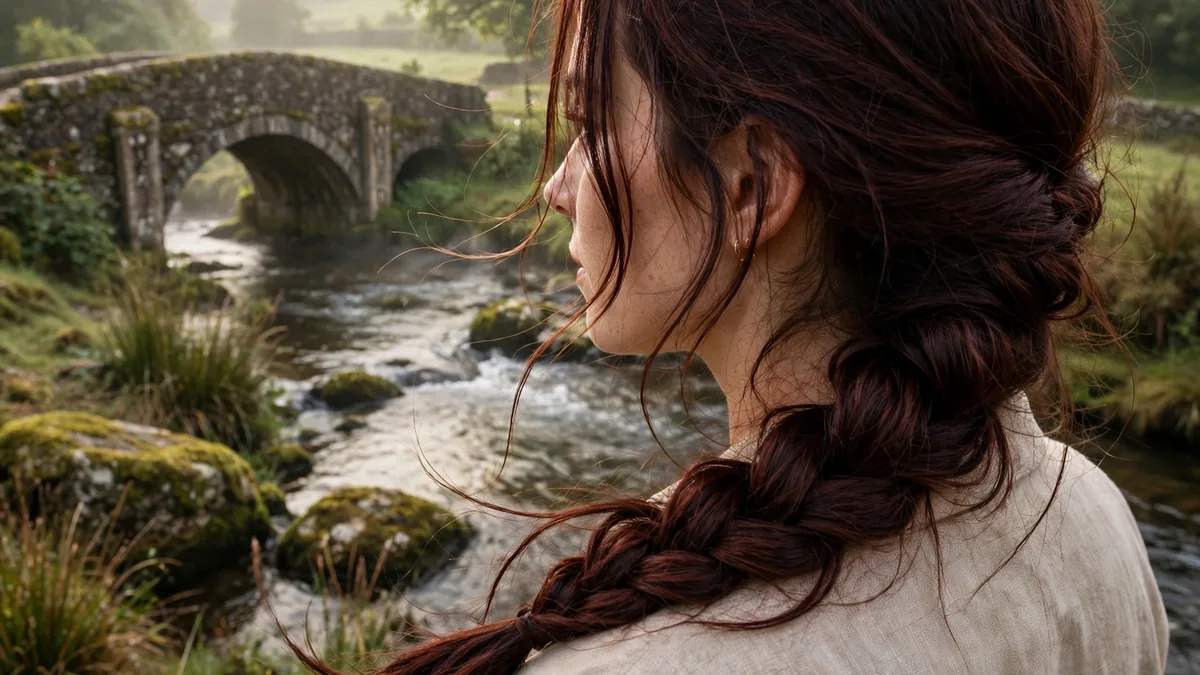
A fishtail braid looks more relaxed when it begins with a side part and a soft sweep across the forehead. The braid can sit over one shoulder or fall down the back, depending on its length. Pulling the woven sections slightly wider gives the braid a fuller appearance. Loose strands around the face keep the style from looking too strict.
Brush the hair to one side and divide it into two main sections. Cross small pieces from the outer edge of each section into the opposite side, repeating the pattern down the length. Secure the end with a clear elastic and gently loosen the braid. A light hold spray can help keep the woven sections in place.
Long hair is ideal for this hairstyle because it allows the fishtail pattern to remain visible. Medium hair can also work with a shorter side braid. It is a lovely option for outdoor events, casual celebrations, and days when you want a detailed style without using heat.
16. Side Part With a Low Chignon
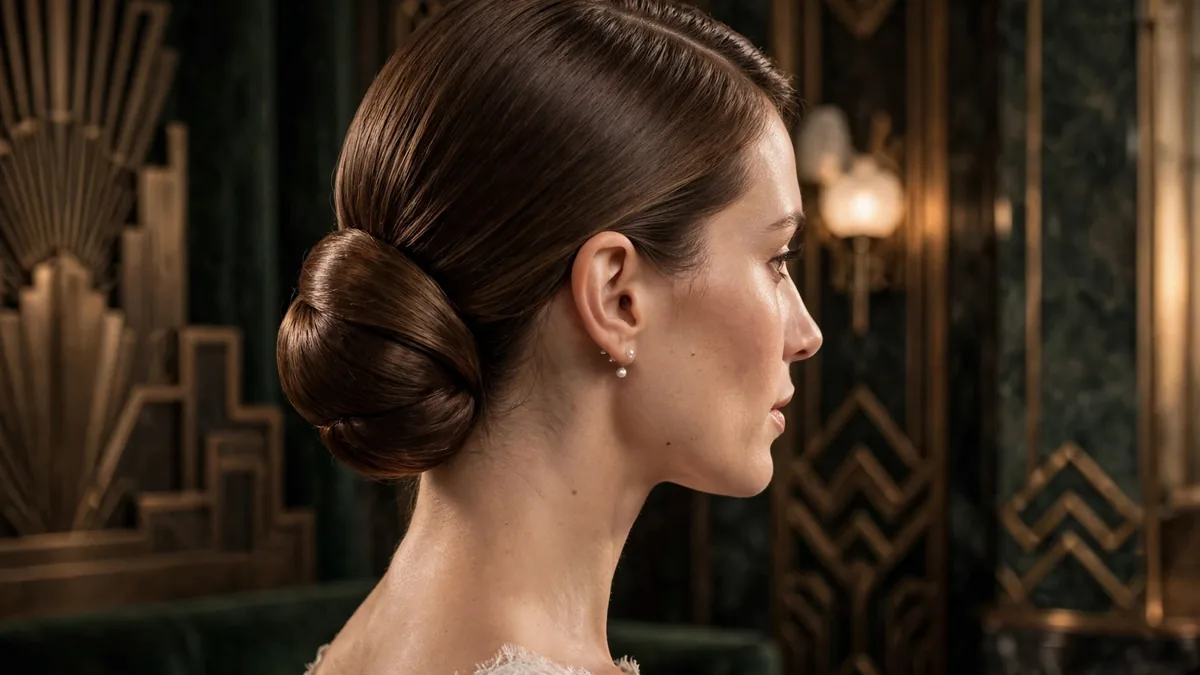
A low chignon with a side part creates a refined hairstyle for formal occasions. The front is swept neatly to one side, while the remaining hair is gathered into a compact bun at the nape. The clean shape draws attention to the neckline and face. It feels timeless without needing complicated decoration.
Create the side part before smoothing the hair toward the back. Gather the lengths at the nape and twist them into a low bun, securing the shape with hairpins. Keep the surface smooth for a classic finish, or loosen a few sections for a softer version. A fine mist of hairspray can help control flyaways.
This hairstyle is suitable for medium and long hair, particularly when you want a neat finish that stays in place. It pairs well with formal dresses, tailored outfits, and bridal styling. Small earrings or a simple hair accessory can complete the look without taking attention away from the shape.
17. Side Part With Natural Waves and Curtain Fringe
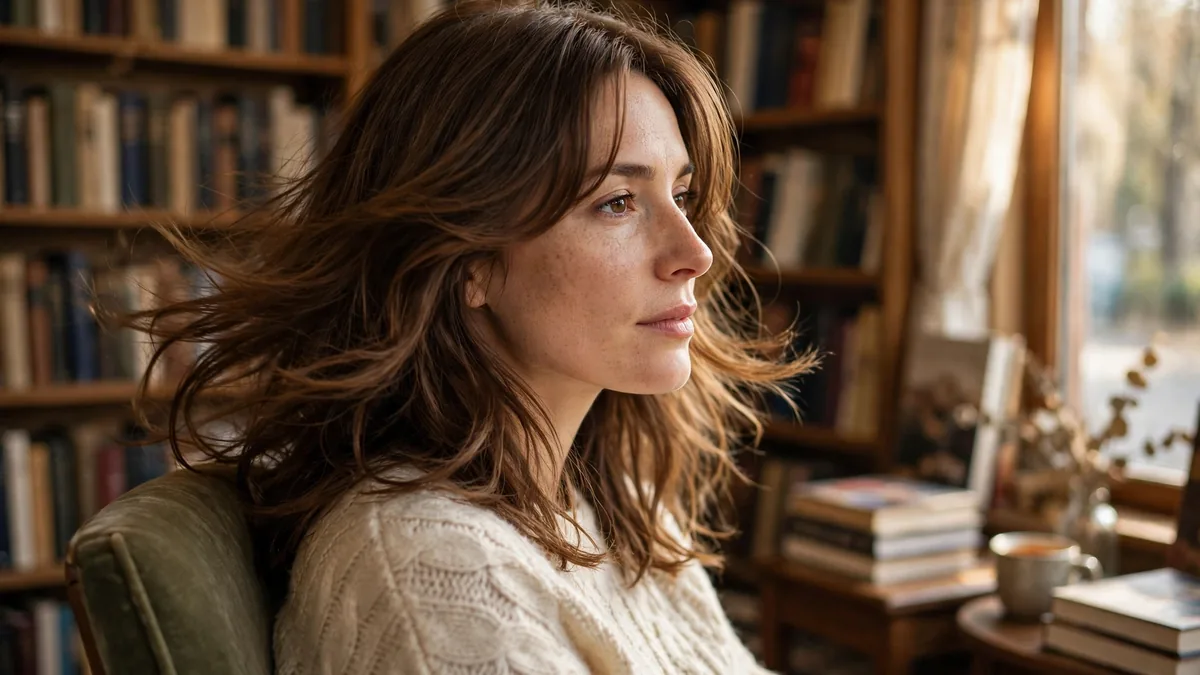
Natural waves with a side part and curtain fringe create a soft hairstyle with movement around the face. The fringe blends into the longer layers, while the side part gives one side a fuller shape. This combination feels relaxed but still has enough structure to look styled. It is a good choice when you want movement without a dramatic haircut.
The fringe should be long enough to blend into the sides rather than sitting as a separate short section. Use a round brush to direct the front pieces away from the face. Add loose bends through the lengths with a curling wand if your hair needs more definition. Finish by separating the waves with your fingers.
Medium and long layered hair are both suitable for this look. It can also work with naturally wavy hair when the fringe is cut to follow its texture. Regular trims help keep the front sections at a length that blends smoothly into the rest of the haircut.
18. Side Part With a Voluminous Curly Ponytail
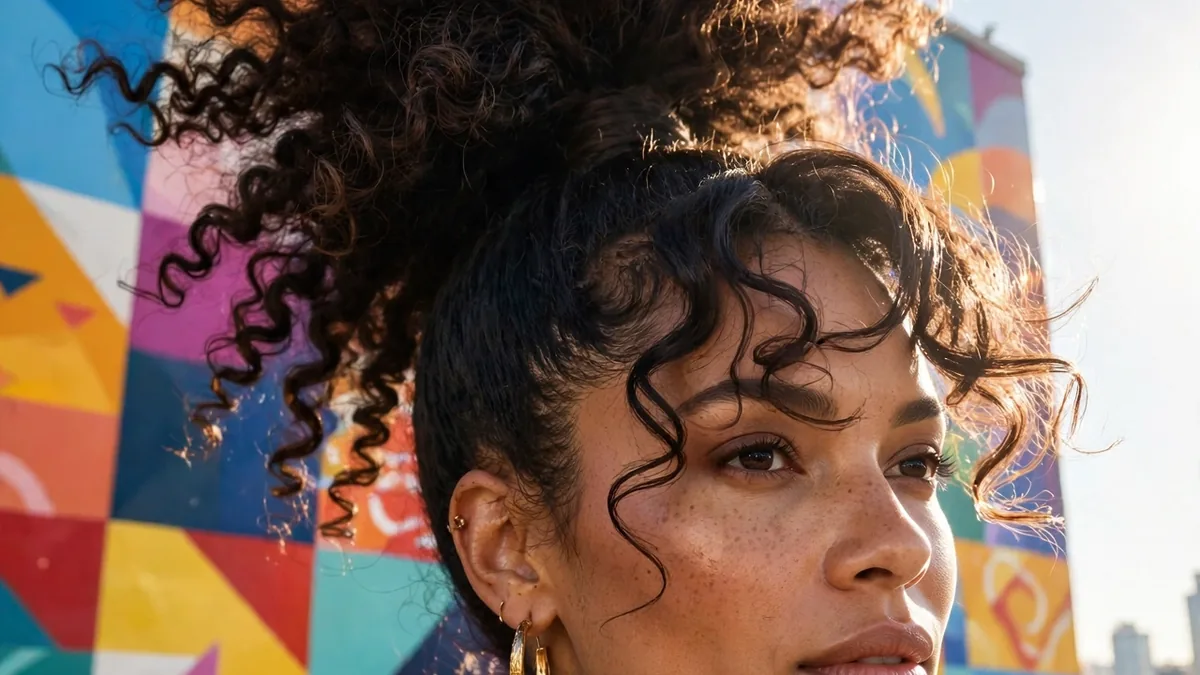
A voluminous curly ponytail combines the lift of a gathered hairstyle with the texture of defined curls. The side part creates a sweeping front section, while the ponytail gathers the curls high or at the middle of the back of the head. This allows the natural texture to become the main feature. The result feels lively and full.
Prepare the curls with a moisturizing styling product before gathering the hair. Smooth the front section gently, keeping the natural curl pattern intact through the ponytail. Secure the hair with a strong elastic and adjust the curls so they fall freely. A few curls near the temples can soften the front.
This hairstyle is particularly suitable for naturally curly and coily hair, although curled extensions can also create the effect. Medium to long lengths offer more volume in the ponytail. It is a practical choice for celebrations, parties, and warm weather when you want to keep the hair away from your neck.
19. Side Part With Straight Long Hair
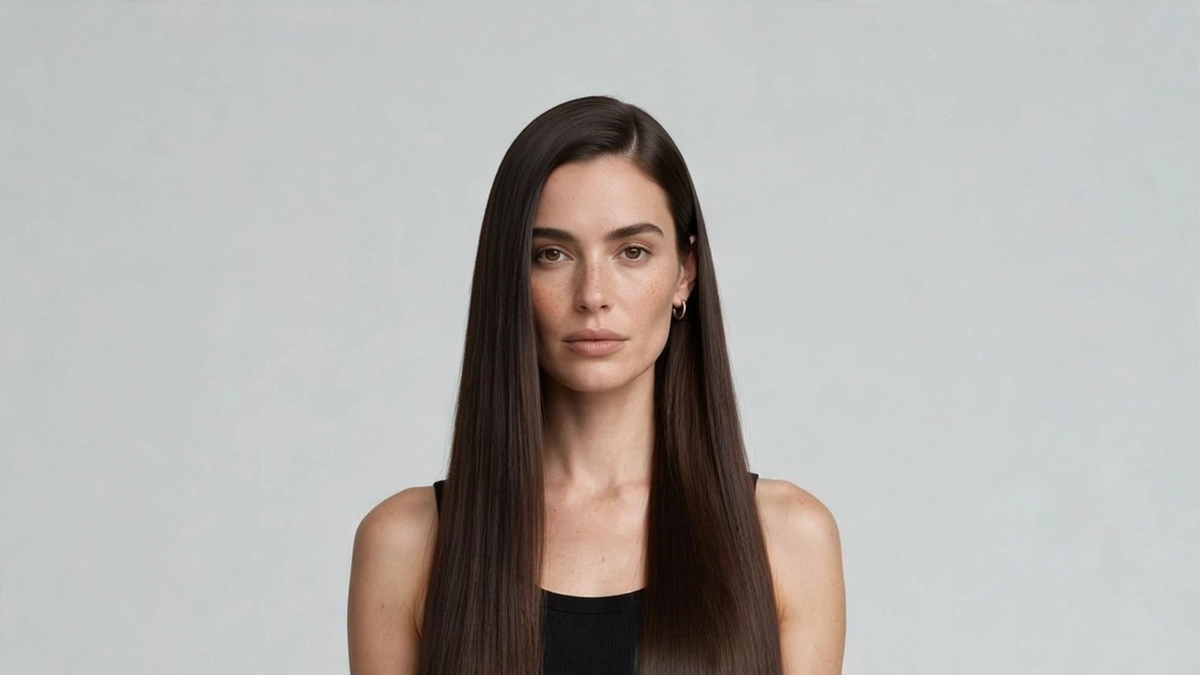
Straight long hair takes on a more defined shape when worn with a side part. The front section sweeps across the forehead, while the rest of the hair falls in a smooth line over the shoulders. The style is simple, but the part adds enough direction to make it look different from a center parted finish. It also works well when you want the length to remain the focus.
Use a heat protectant before straightening the hair in small sections. A flat iron can create a smooth finish, while a paddle brush helps keep the lengths aligned during drying. Direct the front section toward the preferred side and avoid flattening the roots completely. A small amount of serum can add shine to the ends.
This hairstyle suits medium and long hair, particularly when the ends are healthy and even. It can be worn with casual clothing or dressed up with accessories. If your hair tends to fall flat, a slight root lift on the heavier side can make the part more visible.
20. Side Part With a Romantic Twisted Updo
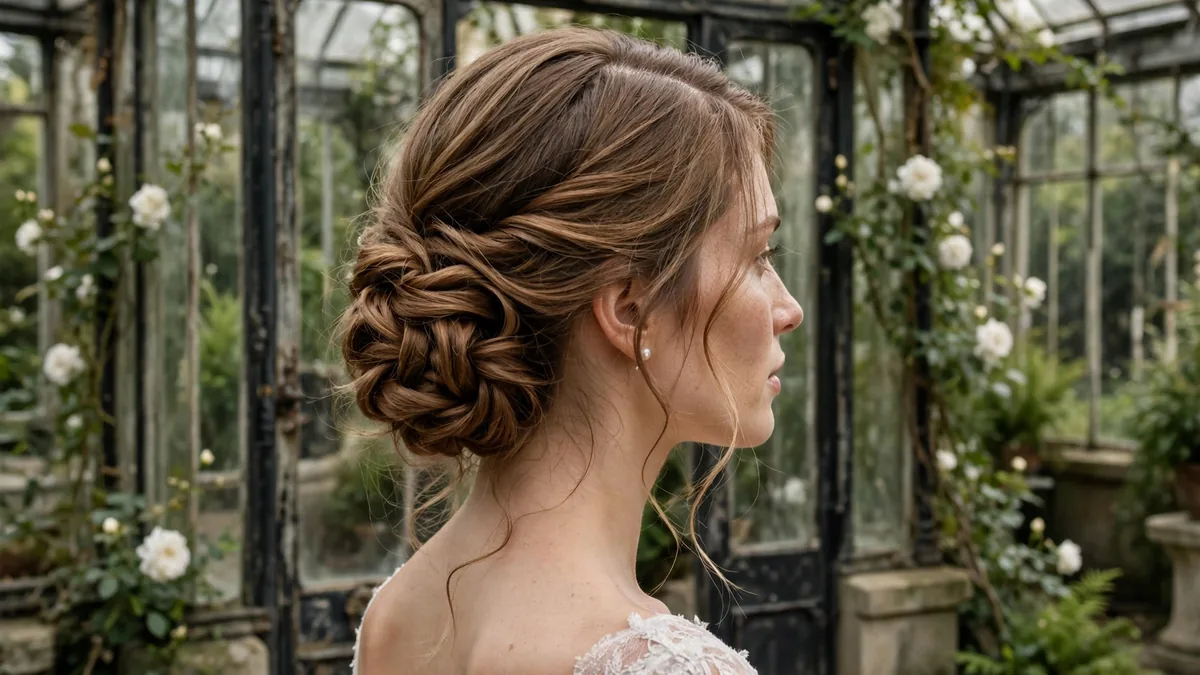
A romantic twisted updo uses a side part to create a soft sweep at the front before the hair is pinned into a textured shape at the back. Instead of forming one smooth bun, the hair is divided into sections and twisted together. This creates depth and movement throughout the updo. Loose pieces around the face make the finish feel gentle rather than overly formal.
Begin by creating the side part and adding light texture through the lengths. Take sections from each side, twist them toward the back, and secure them with pins. Gather the remaining hair into a loose arrangement at the nape, allowing some texture to remain visible. A flexible hairspray can help hold the twists without making them stiff.
This style works well for medium and long hair, especially when you want a formal hairstyle with a softer outline. It is suitable for weddings, engagement parties, and evening celebrations. Small decorative pins can be added, but the twisted sections should remain the main feature.
How to Choose a Side Part That Suits Your Hair
The right side part depends on your natural growth pattern, hair texture, and the shape you want to create. A deep side part gives a noticeable sweep and can add volume to the roots. A subtle side part makes a smaller change while keeping the hairstyle close to its natural shape.
If your hair has a strong natural part, begin by working with its usual direction. Forcing the hair to stay on the opposite side may require extra styling and stronger hold products. You can train a new part gradually by combing the roots into place while the hair is damp.
Hair density also matters. Fine hair may benefit from a side part because shifting the roots can create a fuller appearance on one side. Thick hair can carry a deeper part with more dramatic movement. Curly hair often looks best when the part follows the way the curls naturally fall.
Which Side Part Hairstyles Work Best for Different Hair Lengths?
Side part hairstyles can be adapted to short, medium, and long hair. The main difference is how much styling space you have and where the weight of the hair sits.
Short hair: Textured pixie cuts, rounded bobs, and sleek short styles work well with a side part. The part adds direction and can make the front layers more noticeable.
Medium hair: Lobs, shoulder length waves, half up styles, and low buns offer plenty of options. This length is flexible enough for both loose and gathered hairstyles.
Long hair: Hollywood waves, ponytails, braids, blowouts, and twisted updos make use of the extra length. A deep side part can also help create more volume around the crown.
How to Make a Side Part Stay in Place
A side part stays in place more easily when the roots are directed while the hair is damp. Use a comb to create the line, then blow dry the roots in the direction you want them to fall. This helps the hair settle into the new position.
For a deeper part, use a clip to hold the roots in place while they cool. Remove it once the hair has set. A light styling spray can help control flyaways, but avoid using too much product near the scalp because it can make the hair look greasy.
If your hair naturally returns to a center part, patience helps. Try styling the side part regularly rather than forcing it into place with heavy products. Over time, the hair may become easier to direct.
Do Side Part Hairstyles Add Volume?
Side part hairstyles can create the appearance of more volume by shifting the hair away from its usual position. The heavier section falls to one side, while the roots near the part can gain extra lift. A deep side part usually creates a more noticeable effect than a subtle one.
The result depends on hair density and texture. Fine or flat hair may benefit from a blowout or root lifting product, while thick hair often has enough natural weight to create a full sweep. For curly hair, the volume comes mainly from the natural curl pattern and how the sections are arranged.
Conclusion
Side part hairstyles offer a simple way to change your look while keeping your existing haircut. A deep part can create dramatic waves or a sleek finish, while a softer part works beautifully with natural curls, layered cuts, and relaxed updos. The style can be adapted to almost any hair length and texture.
From a textured pixie to a romantic twisted updo, these 20 ideas show that the side part is far more versatile than it may first appear. Choose a version that works with your hair's natural movement and the amount of styling time you prefer. A small change in parting can give a familiar hairstyle an entirely new shape.
Frequently Asked Questions
Are side part hairstyles still in style?
Yes, side part hairstyles remain a versatile choice. Modern versions include soft waves, textured bobs, sleek ponytails, and relaxed updos. The look can be subtle or dramatic depending on how deeply the hair is parted.
Does a side part suit every face shape?
A side part can suit many face shapes because its position and depth can be adjusted. A softer part creates a gentle shift in balance, while a deeper part adds more movement around the forehead and cheeks. A stylist can help choose the most flattering placement.
Is a deep side part better than a regular side part?
A deep side part creates more noticeable asymmetry and often adds extra root volume. A regular side part offers a softer change and may be easier to maintain. Neither is universally better; the choice depends on your haircut and preferred finish.
Can I wear a side part with short hair?
Yes, side parts work particularly well with pixie cuts, short bobs, and cropped layered styles. A longer front section can be swept across the forehead to add movement and shape.
How do I change my center part to a side part?
Start with damp hair and use a comb to create the new part. Blow dry the roots in the desired direction, then hold them in place with a clip while they cool. Repeat the process during regular styling until the hair becomes easier to direct.
Does a side part make hair look thicker?
A side part can make some hairstyles appear fuller by shifting the roots and creating more height on one side. The effect is often more noticeable with fine or flat hair. A volumizing product and a well-shaped blowout can improve the result.
What is the best side part hairstyle for long hair?
Hollywood waves, layered blowouts, sleek ponytails, and loose braids are all attractive options for long hair. The best choice depends on whether you prefer a smooth, textured, casual, or formal finish.
Can curly hair have a side part?
Yes, curly hair looks beautiful with a side part. The shifted part can create extra volume and allow curls to frame the face in an uneven, natural shape. It is usually best to place the part where the curls fall comfortably.
Admin
Site administrator.