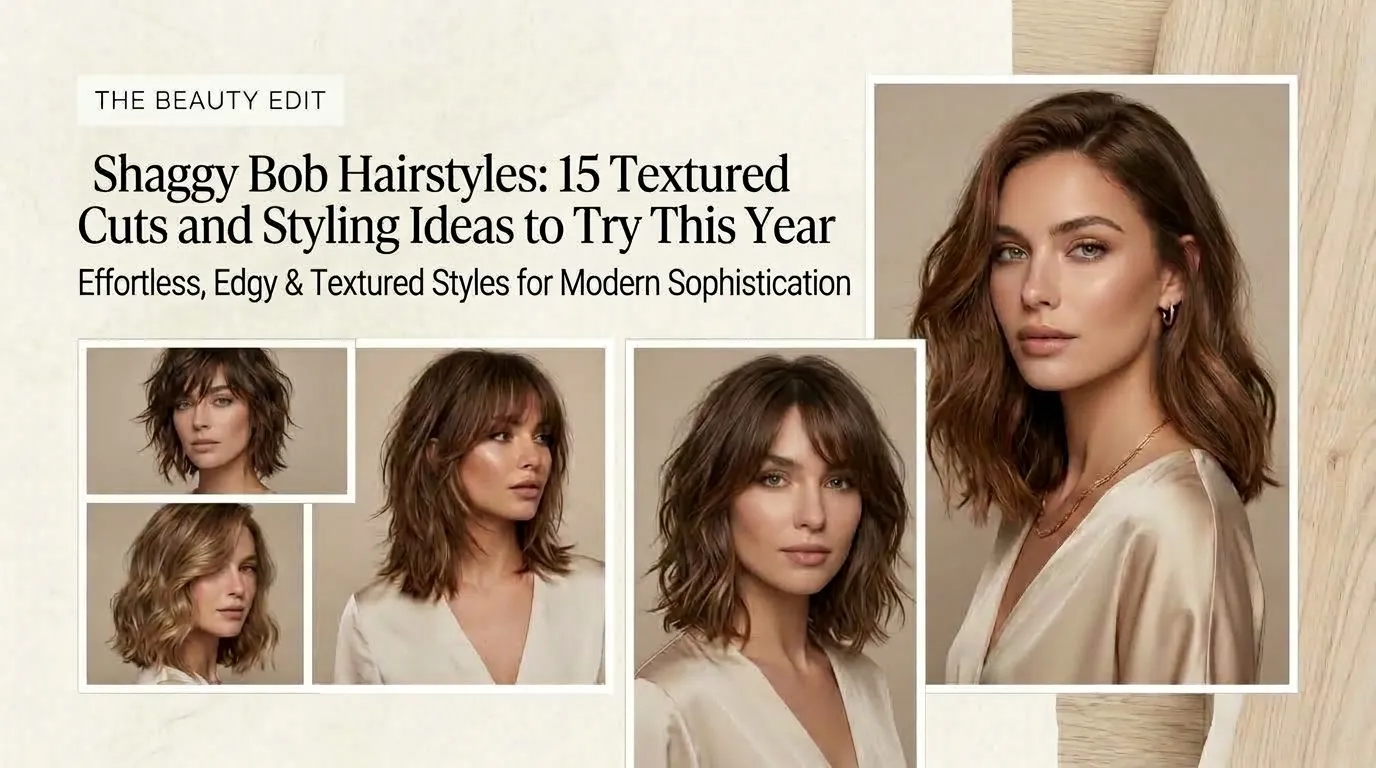
Shaggy Bob Hairstyles: 15 Textured Cuts and Styling Ideas to Try This Year
Khadija Sharif·
Shaggy bob hairstyles combine the compact shape of a bob with layers, movement, and a deliberately undone finish. The cut can sit around the chin, jawline, or shoulders, depending on the length and amount of layering. Unlike a traditional blunt bob, a shaggy bob uses uneven ends and lighter layers to create a more relaxed shape.
The style can also be adjusted for different hair textures. Fine hair can benefit from carefully placed layers that create movement without removing too much weight. Thick hair can handle stronger internal layers that reduce bulk and help the ends move naturally. Wavy and curly hair can make the cut look even more textured with minimal styling.
The 15 looks below show how different the shaggy bob can become. Some versions are soft and polished, while others lean into choppy layers, bangs, waves, or a more undone finish. The right variation depends on your face shape, hair density, natural texture, and how much styling you want to do each morning.
1. Classic Shaggy Bob With Choppy Layers
The classic shaggy bob uses choppy layers to give a traditional bob a lighter and more relaxed shape. The length usually sits around the jaw or slightly below it, while uneven layers create movement through the ends. This makes the haircut feel less structured than a blunt bob.
The layers should not all begin at the same point. A stylist can place shorter pieces around the crown and longer sections near the perimeter to create a gradual shape. This approach gives the hair visible texture without making the cut look overly disconnected.
This version works particularly well when you want a haircut that can look styled or naturally messy. A small amount of texturizing spray can bring out the separated ends. You can also let the hair air dry and use your fingers to arrange the layers.
2. Shaggy Bob With Curtain Bangs
A shaggy bob with curtain bangs combines face framing fringe with layered bob texture. The bangs part around the center and gradually become longer toward the cheekbones. This creates a soft transition between the fringe and the rest of the haircut.
The combination works well when you want movement around the face. The curtain bangs can be brushed away from the forehead or allowed to fall naturally with a slight bend. Their length also makes them easier to grow out than a very short straight fringe.
For styling, use a round brush or a large roller to create a gentle lift at the roots. The rest of the bob can remain slightly tousled. A light styling cream can help control flyaways without removing the airy quality of the haircut.
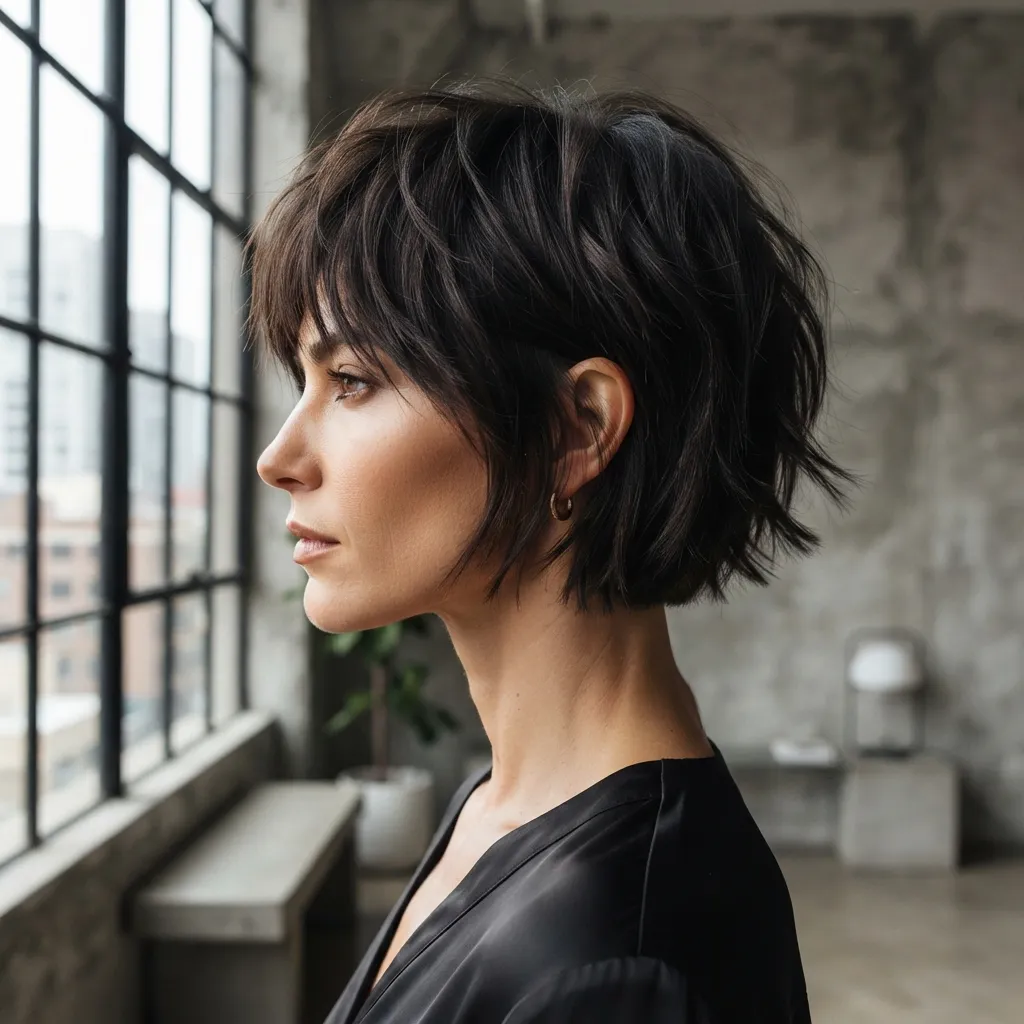
3. Short Shaggy Bob With Piecey Ends
A short shaggy bob with piecey ends creates a stronger textured effect in a compact haircut. The ends are cut to appear separated rather than forming one solid line. This gives the jawline area more definition while keeping the haircut light.
The piecey texture can be subtle or pronounced. Fine hair often benefits from smaller, controlled sections because excessive thinning can make the ends look sparse. A stylist can use point cutting to create movement while maintaining enough density around the perimeter.
This cut looks especially good with a matte or lightly tousled finish. Work a small amount of texture paste through the ends rather than coating the whole head. The result should feel touchable and flexible instead of stiff.
4. Wavy Shaggy Bob
A wavy shaggy bob lets natural bends become part of the haircut rather than something that needs to be completely smoothed. The layers give each wave space to move and prevent the bob from looking too heavy. The result is relaxed without requiring a perfectly styled finish.
The best shape depends on the natural wave pattern. Loose waves can handle slightly longer layers, while stronger waves may need more careful weight removal. A stylist should consider how much the hair shrinks when dry before deciding the final length.
Styling can stay simple with this version. Apply a lightweight curl cream to damp hair and scrunch the ends upward. Let the hair air dry or use a diffuser, then separate a few pieces around the face for a more lived in finish.
5. Shaggy Bob With Bottleneck Bangs
A shaggy bob with bottleneck bangs creates a soft frame around the forehead and cheekbones. The fringe starts shorter near the center and becomes longer toward the sides. This shape blends naturally into the layers of a textured bob.
The fringe can be adjusted to suit different forehead lengths and face shapes. A stylist can leave the center slightly longer for a softer look or create a shorter opening for more definition. The surrounding layers should connect with the longer sides of the bangs.
This haircut has a relaxed finish but still offers a clear shape. Blow dry the bangs with a small round brush, directing the sides outward. Leave the bob slightly tousled so the fringe does not look too formal.
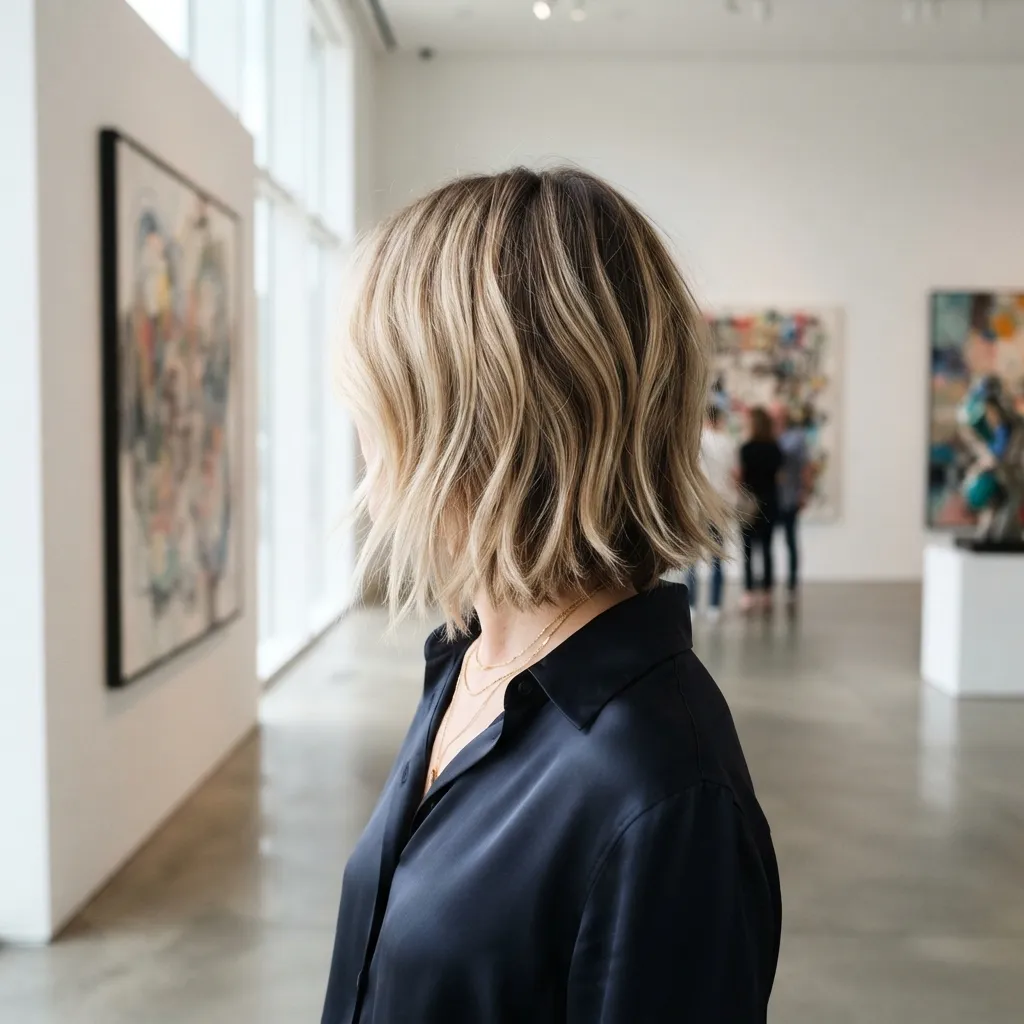
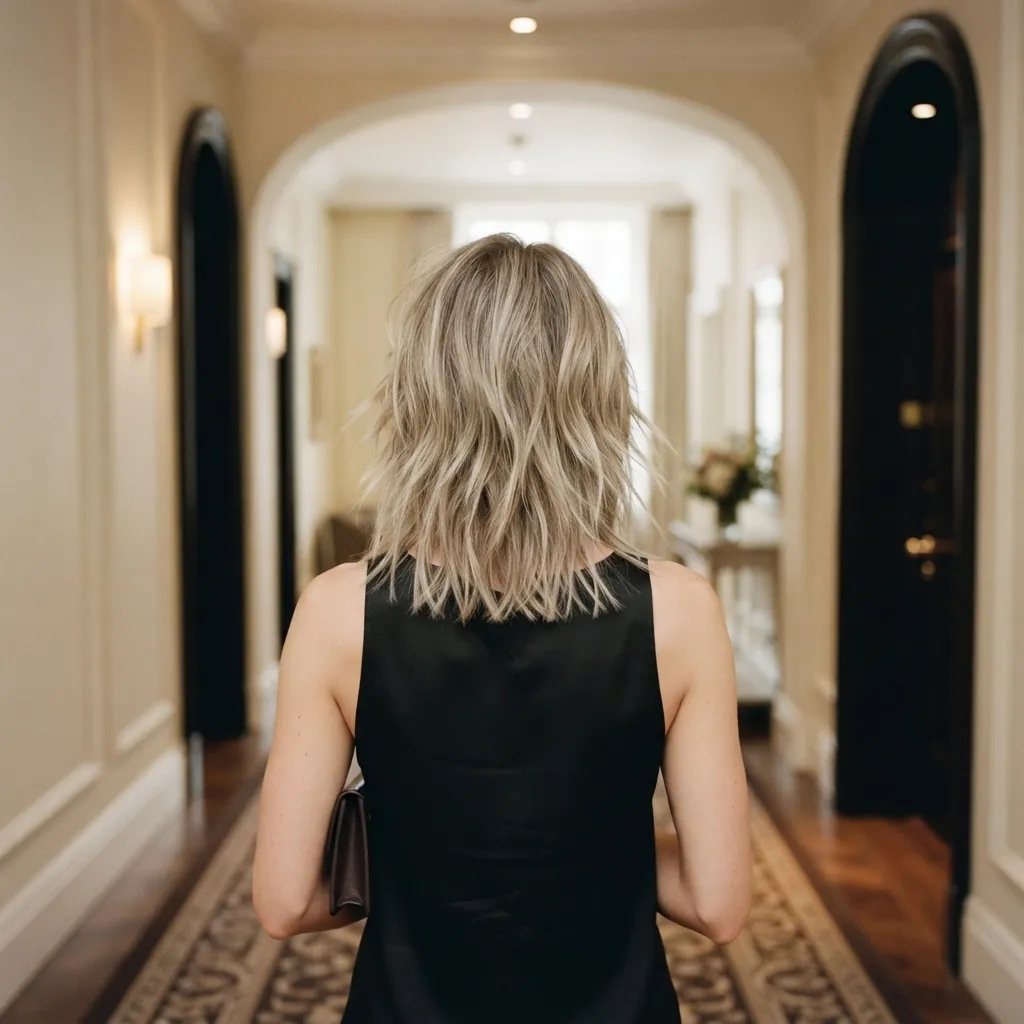
6. Blonde Shaggy Bob
A blonde shaggy bob combines dimensional blonde color with uneven layers and soft movement. The textured cut prevents lighter hair from looking too uniform, especially when several blonde tones are present. It can work with cool beige, warm honey, or neutral blonde shades.
The layering should complement the color placement. Face framing pieces can make highlights more visible, while slightly darker roots can give the haircut more depth. Keeping some weight through the ends helps blonde hair maintain a fuller appearance.
A dry texture spray can enhance the layered finish. Twist a few sections while drying if you want more separation. Avoid using too much product because heavy styling can flatten the movement that makes this haircut distinctive.
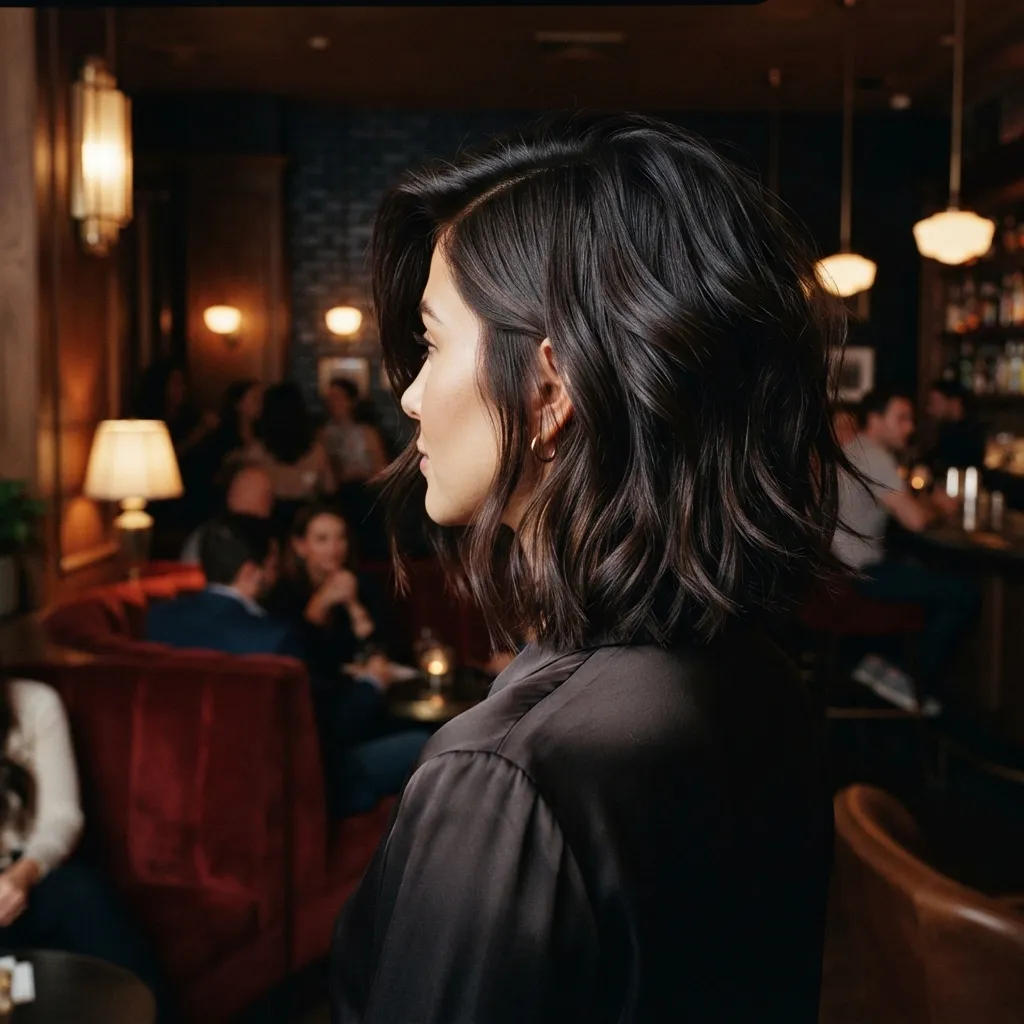
7. Brunette Shaggy Bob With Face Framing Layers
A brunette shaggy bob with face framing layers adds movement around the cheeks while keeping the darker color rich and dimensional. The layers begin around the face and blend into the shorter length at the back. This creates a shape that feels soft rather than heavily geometric.
Deep brown hair can sometimes look visually dense in a one length bob. Adding carefully placed layers breaks up that weight and allows the ends to move. A few lighter brown pieces can also add depth without changing the overall brunette color.
This style works well when you want texture without a dramatic haircut. Use a flat iron to create a slight bend through selected sections rather than straightening every strand. Finish with a light cream to separate the layers.
8. Shaggy Bob With Micro Bangs
A shaggy bob with micro bangs creates a more distinctive and fashion-focused silhouette. The short fringe sits above the eyebrows while the textured bob keeps the rest of the haircut relaxed. The contrast between the short fringe and longer layers gives the style a strong visual identity.
Micro bangs need more commitment than longer fringe because they can take time to grow out. They can, however, work with several bob lengths and textures. The stylist should consider natural cowlicks and hair growth patterns before cutting the fringe very short.
Keep the rest of the haircut soft to balance the sharper fringe. A small amount of styling cream can define the ends without making them rigid. Air drying can work well when the hair has a natural wave or bend.
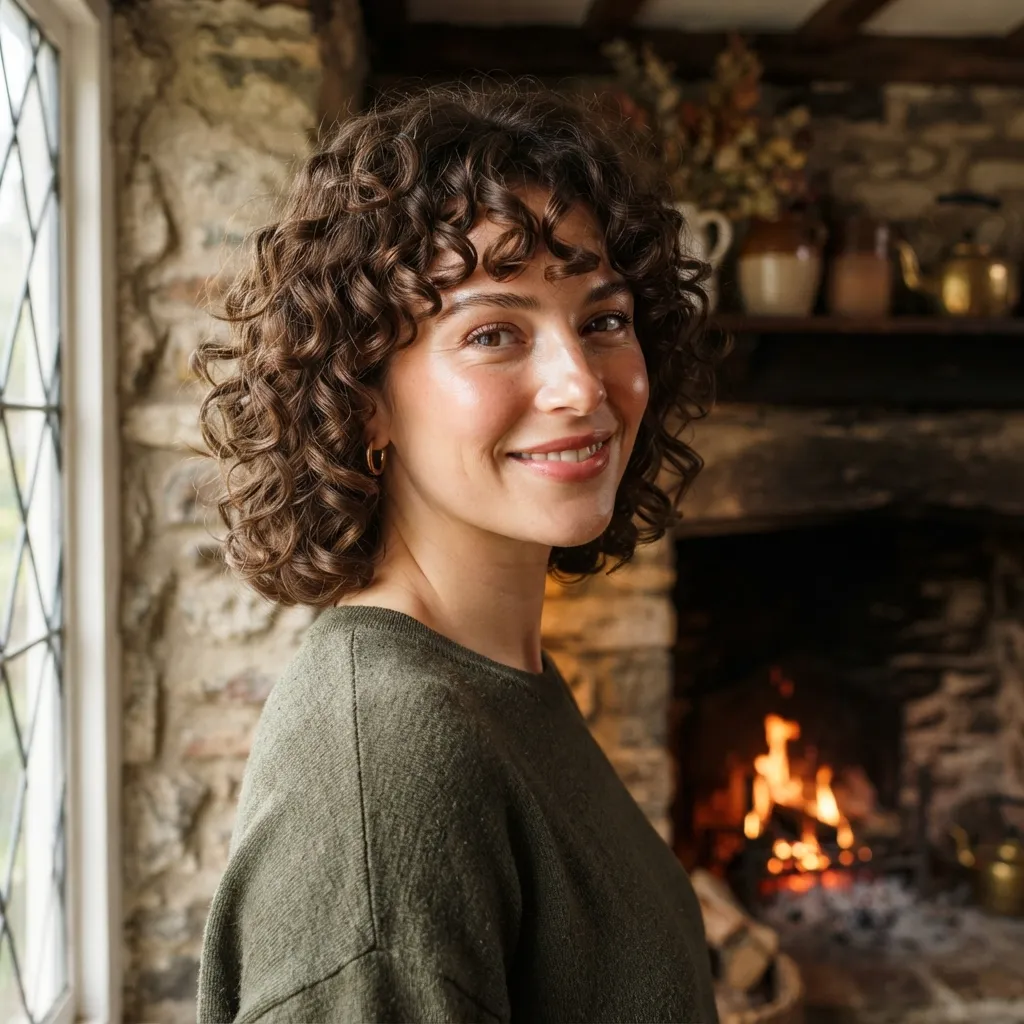
9. Curly Shaggy Bob
A curly shaggy bob uses layers to give curls room to form their natural shape. The haircut should be designed around the curl pattern rather than treated like straight hair. This creates volume at the crown and movement through the sides.
The final length needs to account for curl shrinkage. Cutting too short without considering the curl pattern can make the bob appear much shorter than expected. A stylist experienced with curly hair can shape the layers while the curls are in their natural state.
Curl cream and a diffuser can help define this style. Avoid brushing the curls after they dry because that can create unwanted frizz. Instead, separate a few curls with your fingers and allow the layered shape to remain visible.
10. Shaggy Bob With Side Swept Bangs
A shaggy bob with side swept bangs creates an asymmetrical feeling without changing the overall length dramatically. The fringe moves across the forehead and connects with longer layers around the cheekbone. This can give the haircut a softer and more elongated appearance.
The bangs can be worn with a noticeable sweep or allowed to fall closer to the center. This makes the style easy to change from day to day. A small amount of root lift can help the fringe maintain its direction.
This version suits people who prefer side parts or want an alternative to center parted hairstyles. Use a round brush to direct the bangs away from the face while drying. Keep the ends lightly textured so the entire cut remains cohesive.
11. Shaggy Bob With Wispy Layers
A shaggy bob with wispy layers offers a softer alternative to heavily choppy texture. The layers are fine and feathered, creating movement without making the ends appear aggressively cut. This version works especially well for people who want a relaxed bob with a lighter finish.
The wispy effect can be placed around the face, crown, and perimeter. It is important to keep enough hair at the bottom to prevent the shape from becoming too thin. The goal is movement rather than excessive removal.
This haircut can look polished with a smooth blowout or casual with air dried texture. Use a lightweight mousse at the roots if you need more body. A small amount of serum on the ends can add shine while keeping the layers separate.
12. Textured Shaggy Bob With Deep Side Part
A deep side part gives a shaggy bob extra volume and an uneven visual balance. The heavier side falls across the forehead while the opposite side appears lighter and more lifted. This can make the haircut feel fuller without adding many additional layers.
The part works especially well with naturally straight or slightly wavy hair. Blow drying the roots in the opposite direction before placing the part can create additional lift. The ends can remain slightly messy to preserve the shaggy character.
This version also offers a more polished way to wear the haircut. Smooth the top section while leaving the lower layers textured. The contrast between controlled roots and loose ends gives the style a modern finish.
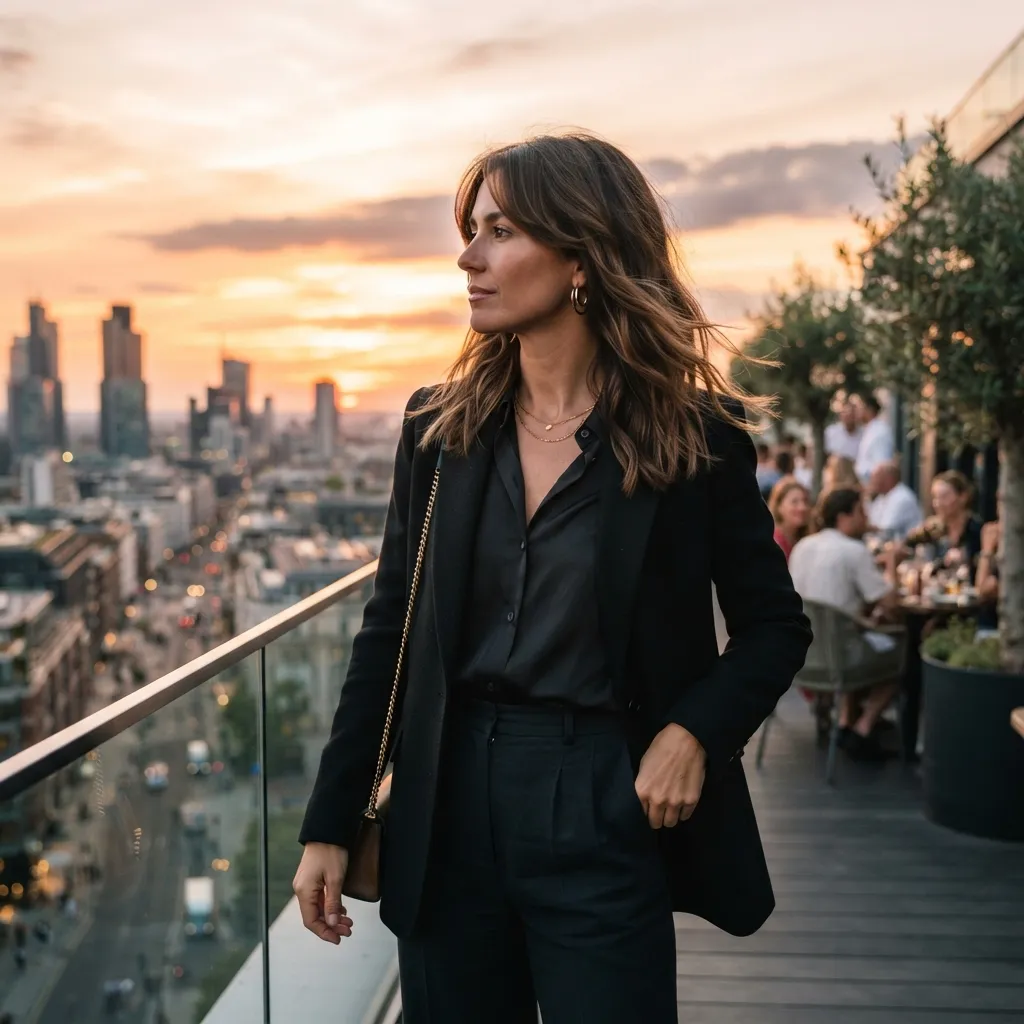
13. Long Shaggy Bob With Soft Waves
A long shaggy bob gives you extra length while keeping the layered character of a shorter shag haircut. The ends can fall around the shoulders or slightly above them. This makes the style useful for people who want movement but are not ready for a very short bob.
Soft waves help show the different layers clearly. The longer perimeter keeps the haircut looking substantial, while shorter sections around the face add shape. This balance can make the haircut feel both relaxed and polished.
A curling wand can create loose bends, but the waves should not look too uniform. Alternate the direction of a few sections and brush them gently with your fingers. A light finishing spray can help maintain the shape without creating stiffness.
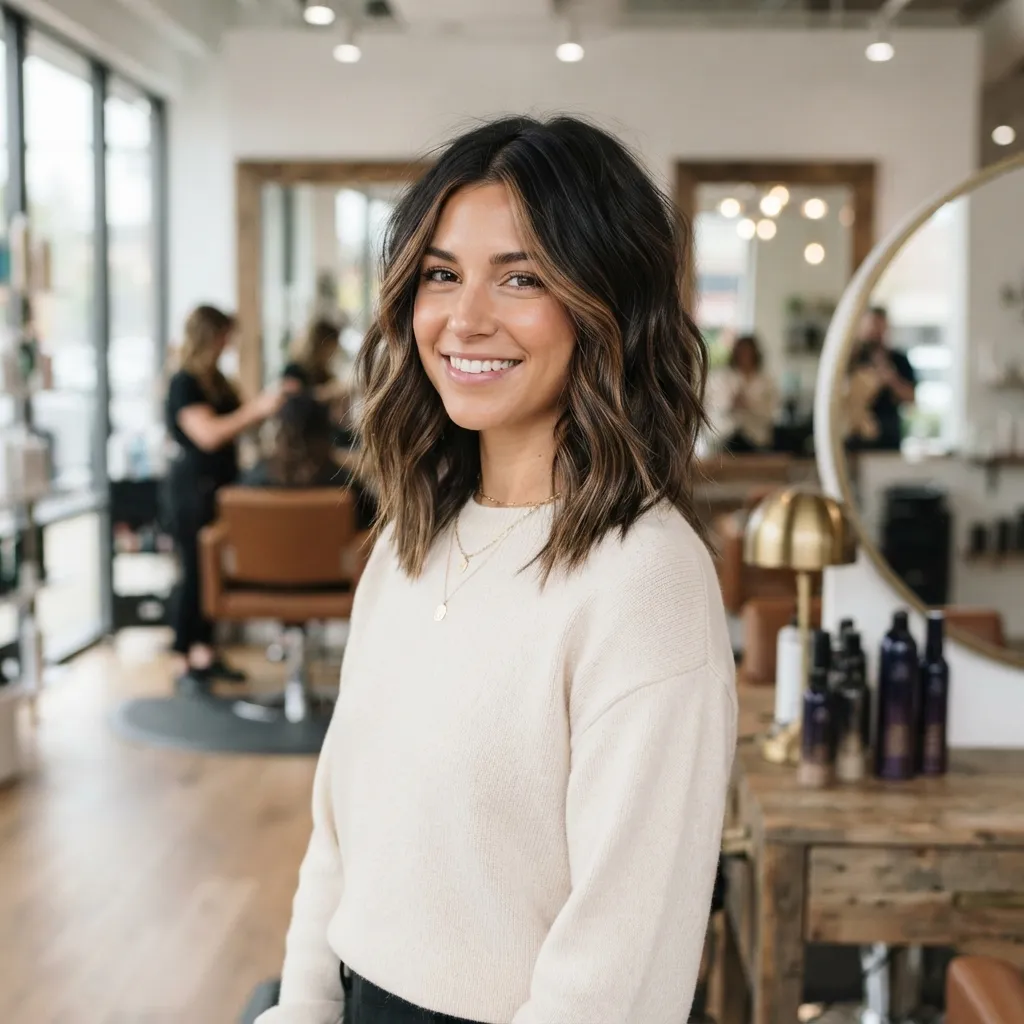
14. Shaggy Bob With Money Piece Highlights
A shaggy bob with face framing highlights adds brightness around the front while keeping the rest of the haircut dimensional. The lighter pieces can be subtle or noticeably brighter than the base color. The layered shape helps the highlights blend into the rest of the hair.
The strongest placement usually sits around the front sections rather than covering the entire head. This creates contrast while keeping maintenance more manageable than an all over color change. The effect can be adapted to blonde, brunette, copper, or darker hair.
The haircut itself should remain the focus. Avoid adding too many competing layers or colors if the front highlights are bold. Soft waves can help blend the lighter pieces through the textured bob.
15. Air Dried Shaggy Bob
An air dried shaggy bob is designed to work with the hair's natural movement rather than requiring a polished blowout. The layers create enough separation for the natural texture to become part of the final shape. This makes the haircut practical for people who prefer low effort styling.
The cut should match the natural behavior of the hair. Slightly wavy hair can form loose bends through the layers, while straight hair may show a cleaner piecey finish. Curly hair can use a more rounded version with layers designed around shrinkage.
After washing, apply a lightweight styling product and gently arrange the ends with your fingers. Avoid repeatedly touching the hair as it dries because this can increase frizz. Once dry, use a tiny amount of cream on selected ends if you want more definition.
What Face Shapes Suit a Shaggy Bob?
A shaggy bob can be adapted to almost any face shape by changing the length and placement of the layers. The haircut is not limited to one specific face shape because the stylist can adjust the framing around the cheeks, jaw, and forehead.
For a rounder face, longer face framing pieces can create a more vertical visual line. A side part can also add asymmetry and lift. For longer faces, fuller layers around the sides can add width and balance.
Oval faces can usually accommodate many versions of the cut. Square faces may suit softer layers and waves that reduce the appearance of sharp lines. Heart shaped faces can benefit from texture around the jaw and longer fringe that balances the forehead.
How to Style a Shaggy Bob at Home
A shaggy bob is easiest to style when you focus on texture rather than perfect symmetry. Start with damp hair and apply a lightweight mousse, cream, or texture product that suits your hair type. Scrunch or twist selected sections to encourage natural movement.
For a smoother result, use a round brush around the front and crown while leaving the ends slightly separated. You do not need to straighten every layer. Keeping some natural texture helps the haircut retain its shaggy character.
For a more tousled finish, allow the hair to dry naturally or use a diffuser. Once dry, gently separate the ends with your fingers. Finish with a small amount of texturizing spray if you want additional volume and definition.
How Often Should a Shaggy Bob Be Trimmed?
A shaggy bob usually needs regular trims to keep its shape and layered structure clear. The exact timing depends on how quickly your hair grows and how precise you want the haircut to remain. Shorter versions may need more frequent shaping than longer shaggy bobs.
If you have bangs, they may need attention before the rest of the haircut. Curtain bangs can often grow out more easily, while micro bangs require more regular maintenance. Discuss your preferred maintenance schedule with your stylist before choosing the fringe.
Regular trims can also help maintain the texture at the ends. Waiting too long can cause the shape to lose its intended balance. If you are growing the bob longer, your stylist can adjust the layers gradually rather than removing too much length.
Conclusion
Shaggy bob hairstyles offer a flexible alternative to highly structured bob cuts. The combination of layered ends, face framing pieces, and natural texture can create anything from a soft everyday haircut to a stronger fashion focused look.
The 15 variations show how much the shape can change through bangs, waves, color, length, and layering. A short piecey bob creates a sharper finish, while a long wavy version feels softer and more relaxed. Curtain bangs, bottleneck bangs, side parts, and face framing layers offer additional ways to customize the cut.
The most practical shaggy bob is one that works with your natural hair rather than against it. Consider your hair density, texture, desired length, and styling routine before choosing a variation. A well planned cut can give you movement and character without requiring complicated styling every day.
FAQs
What is a shaggy bob haircut?
A shaggy bob is a bob haircut with layers, textured ends, and a relaxed finish. Unlike a blunt bob, it uses movement and uneven sections to create a softer, more undone shape.
Is a shaggy bob good for thin hair?
Yes, a shaggy bob can work well for thin hair when the layers are carefully controlled. Keeping enough weight around the perimeter helps the hair look fuller while subtle layers add movement.
Is a shaggy bob good for thick hair?
Yes, thick hair can suit a shaggy bob because internal layers can remove excess bulk. The stylist should avoid over thinning the ends, which can make the haircut lose its shape.
Can you wear a shaggy bob with straight hair?
Yes, straight hair can wear a shaggy bob with point cut ends, subtle layers, and styling products that add texture. Gentle bends can also make the layers more visible.
Does a shaggy bob work with curly hair?
Yes, a shaggy bob can work beautifully with curls when the cut is designed around the natural curl pattern. The length should account for shrinkage, and the layers should support the curl shape.
What bangs look best with a shaggy bob?
Curtain bangs, bottleneck bangs, side swept bangs, and micro bangs can all work with a shaggy bob. The best option depends on your preferred maintenance level, face framing needs, and natural hair texture.
Is a shaggy bob easy to maintain?
A shaggy bob can be relatively easy to maintain because its textured finish does not require perfect styling. The easiest version is one that follows your natural texture and can air dry well.
Can a shaggy bob make hair look thicker?
A well shaped shaggy bob can make fine hair appear more textured and full. The result depends on maintaining enough density through the ends and avoiding excessive thinning.
What is the difference between a shaggy bob and a regular bob?
A regular bob often has a cleaner and more defined perimeter, while a shaggy bob uses layers and textured ends for a less uniform appearance. The shaggy version generally has more visible movement.
Is a shaggy bob suitable for older women?
Yes, a shaggy bob can be adapted for any age. Softer layers, natural movement, and face framing pieces can create a polished haircut without making the style feel overly structured.