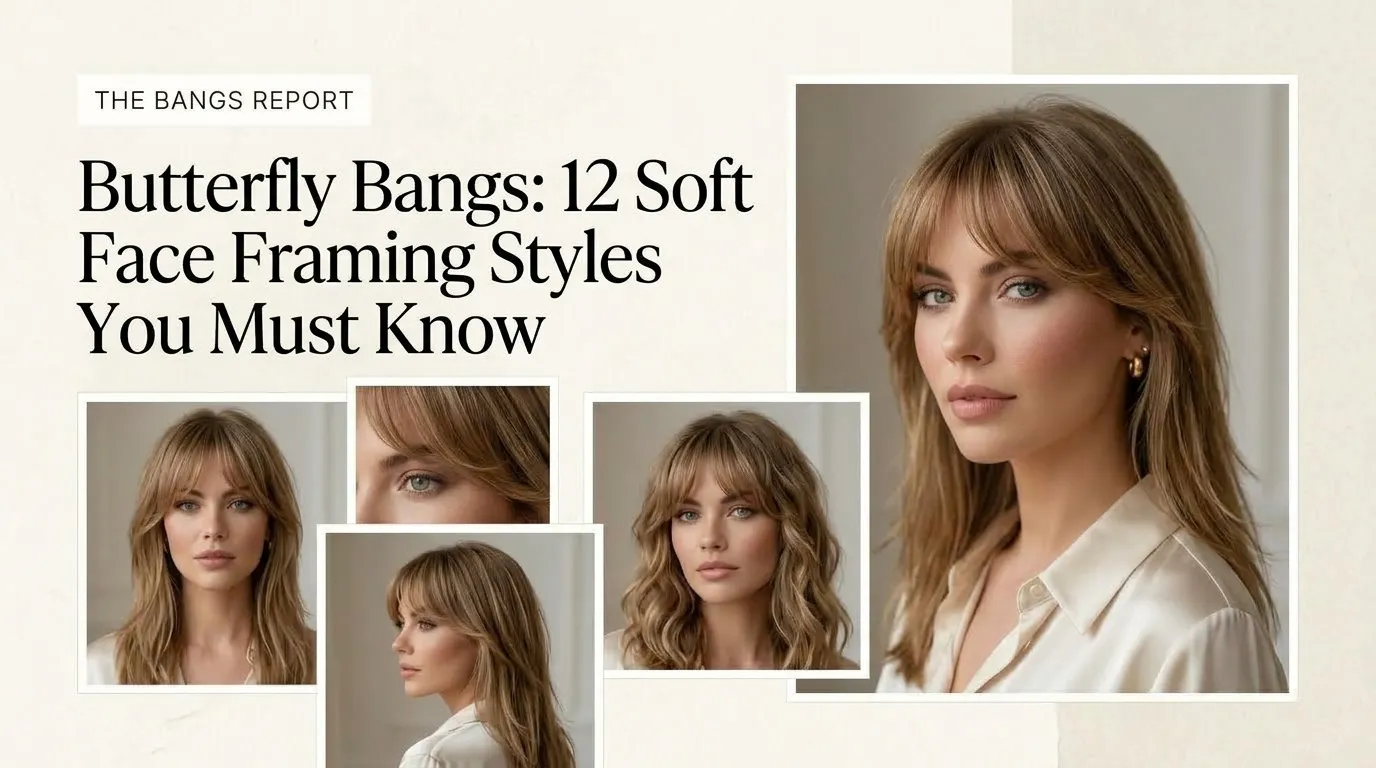
Butterfly Bangs: 12 Soft Face Framing Styles You Must Know
Khadija Sharif·
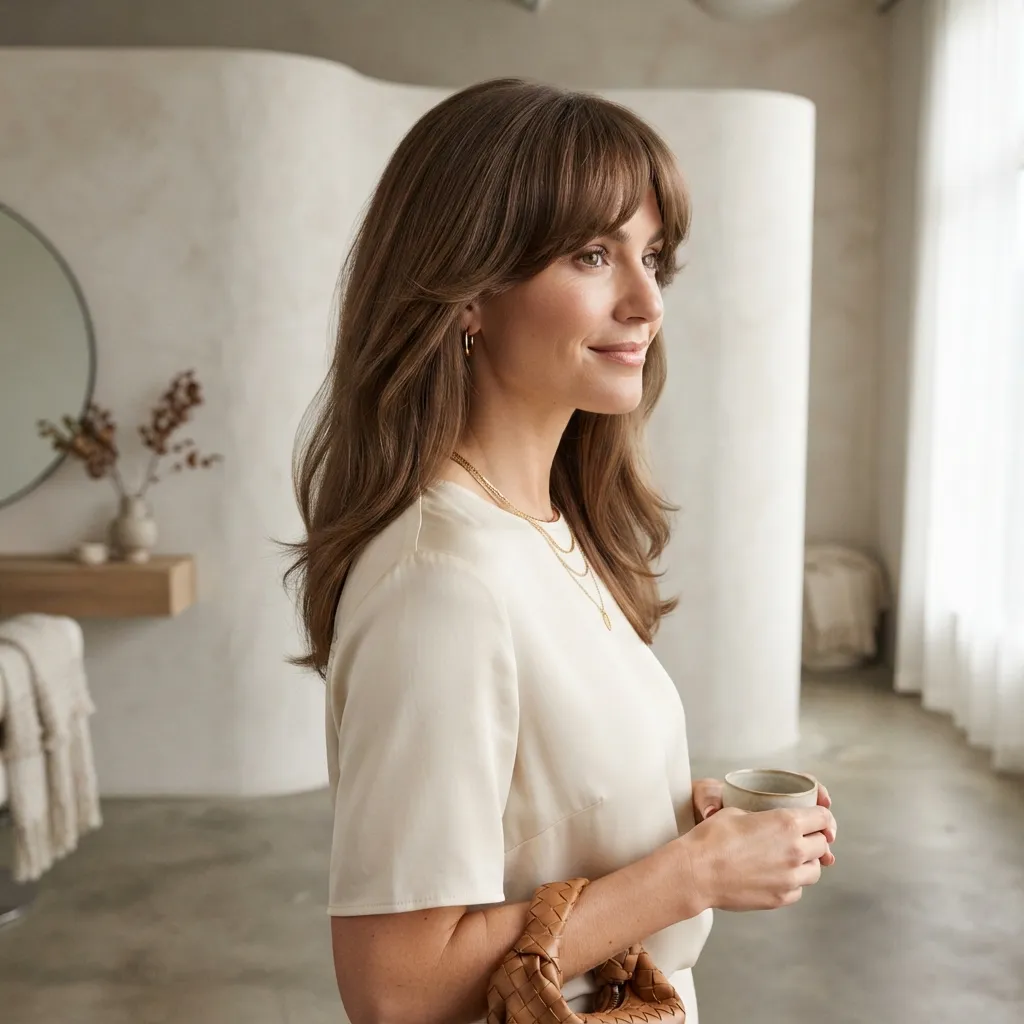
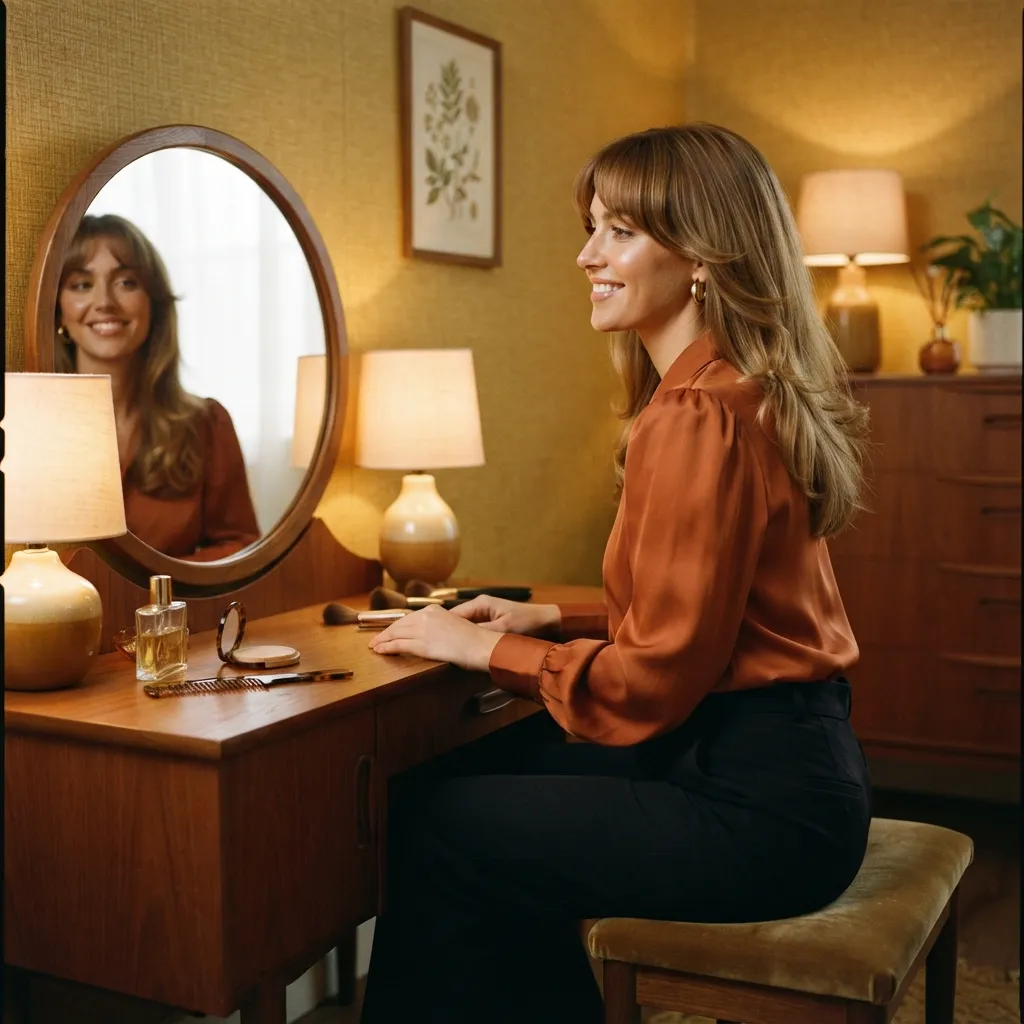
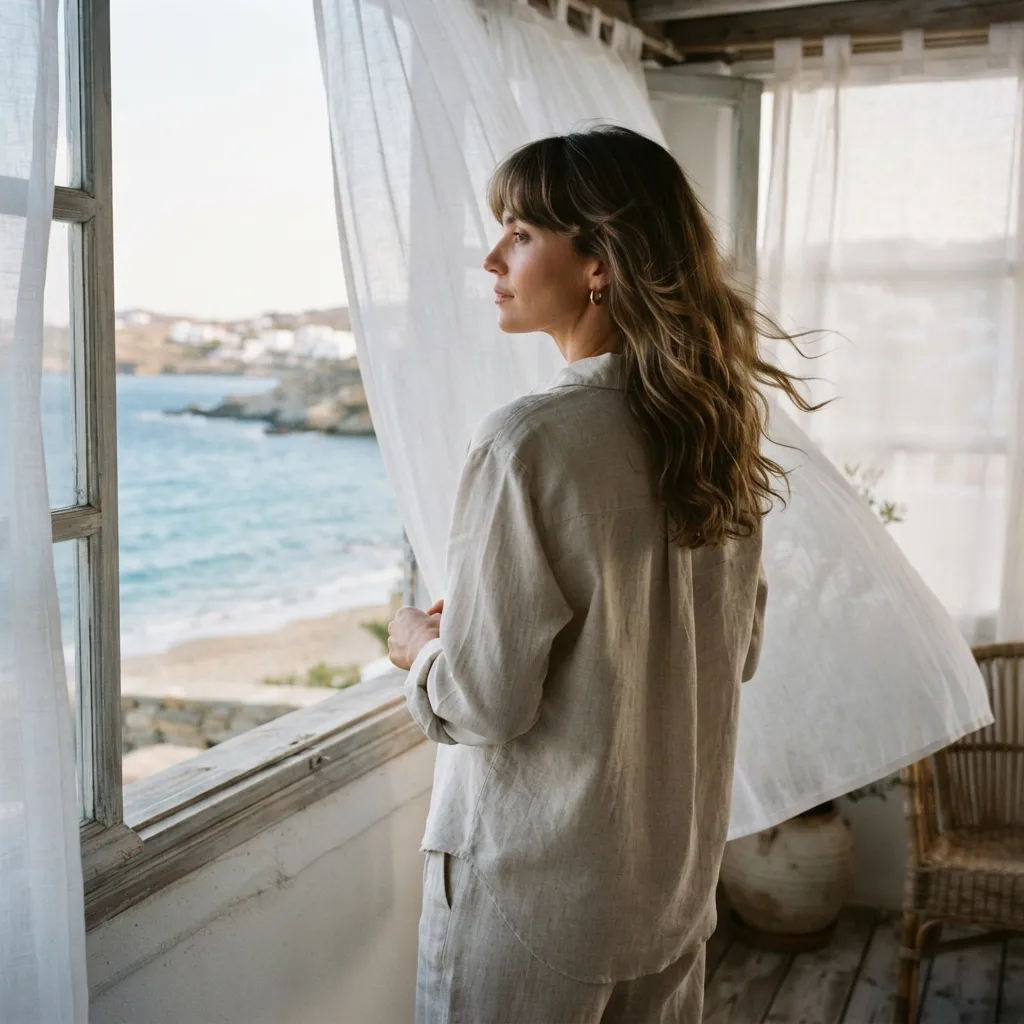
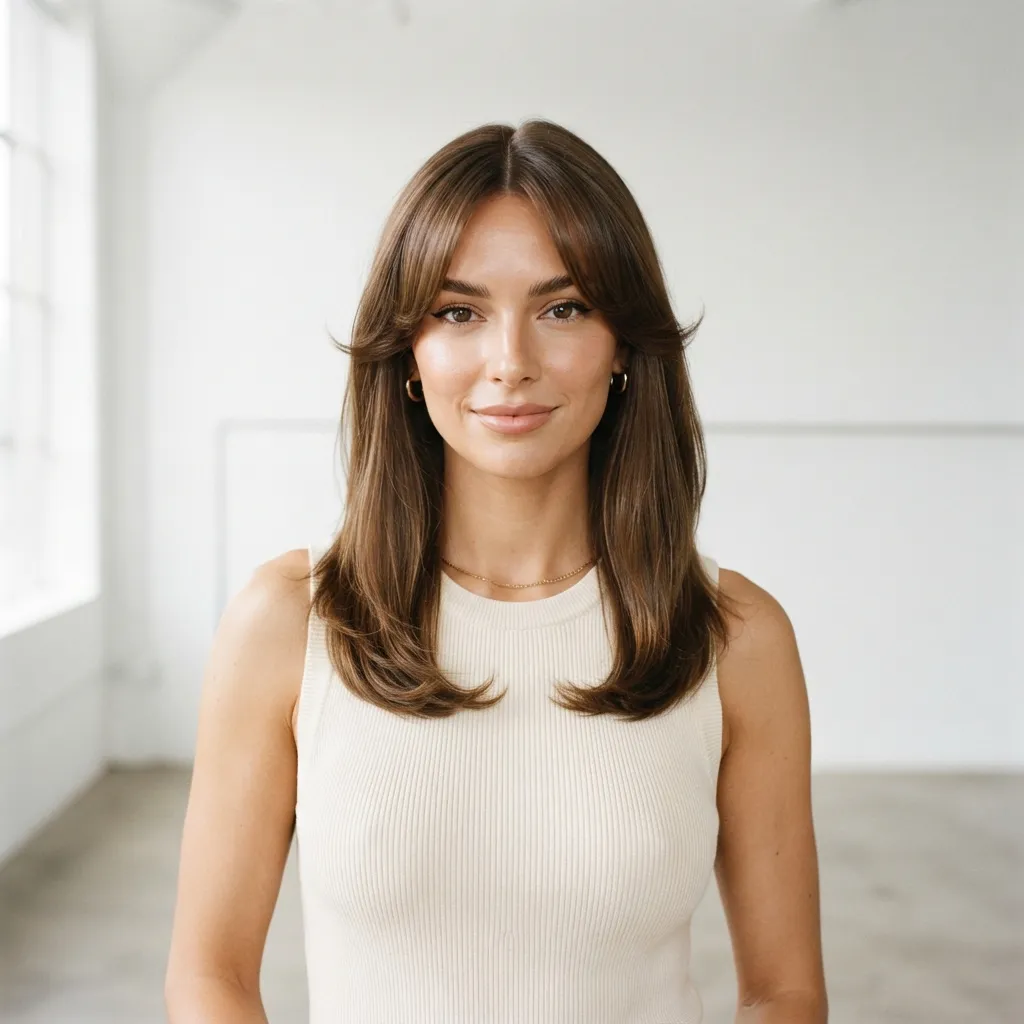
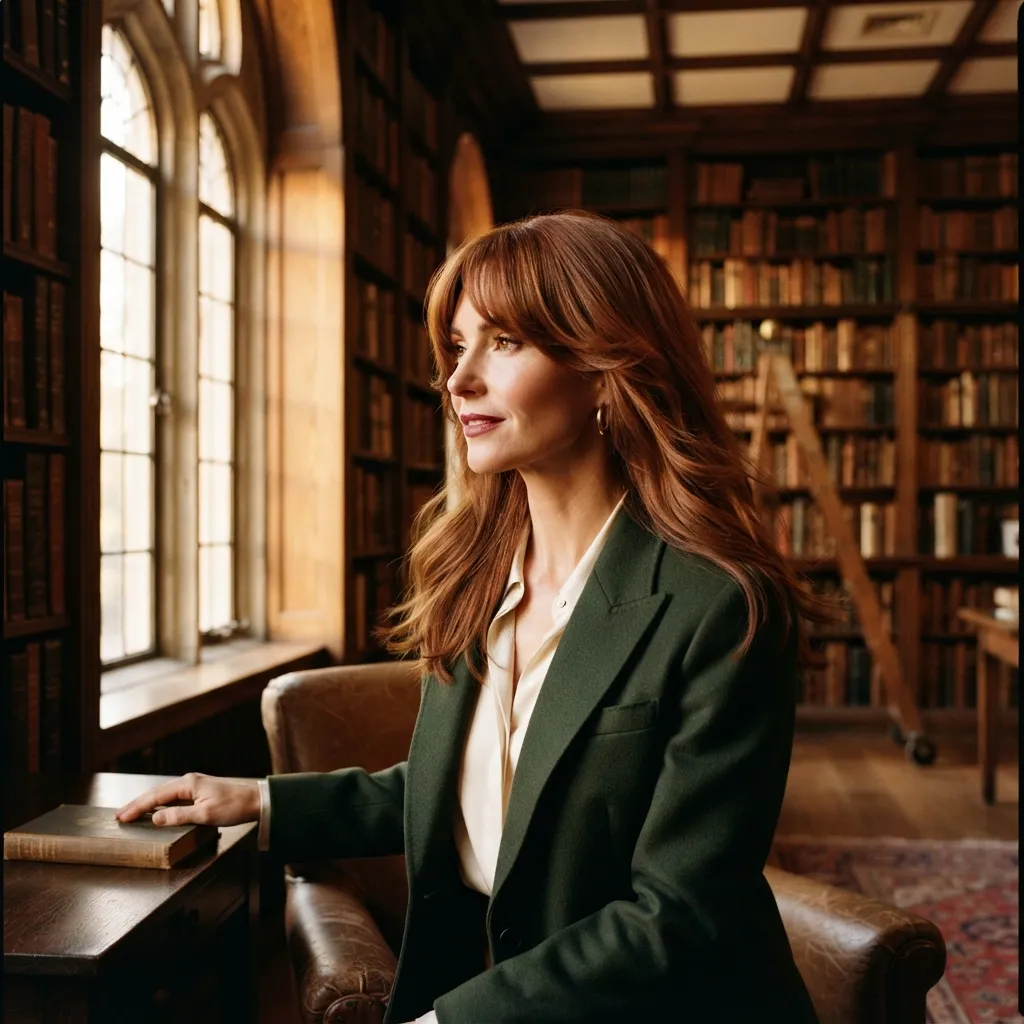
Butterfly bangs are long, feathered bangs that blend into face framing layers around the cheeks and jaw. Their defining feature is movement rather than a sharp fringe line. The shortest pieces usually begin around the eyes or cheekbones, while the longer sections flow into the rest of the haircut.
This shape gives you many ways to change your hairstyle without losing much length. The front pieces can be worn toward the face, swept outward, or blended into a blowout. They can also look different on straight, wavy, and naturally textured hair.
The 12 styles below show how butterfly bangs can be adjusted for different hair lengths, textures, and levels of volume. Some versions are soft and understated, while others create a fuller layered effect around the face.
1. Classic Long Butterfly Bangs
Classic long butterfly bangs create a soft frame that starts around the eyes and gradually extends toward the jaw. This length is one of the easiest versions to wear because it blends naturally into medium and long hairstyles. The longer pieces also create movement without giving you the feeling of having a short fringe.
A round brush can turn the front sections away from the face for the familiar butterfly effect. The hair should curve outward rather than sitting completely flat against the cheeks. A lightweight volumizing mousse can help the layers hold their shape without making them stiff.
This version suits people who want a noticeable change without sacrificing much length. The bangs can also be tucked behind the ears when you want a cleaner appearance. As they grow, the pieces can transition naturally into longer face framing layers.
2. Butterfly Bangs With Curtain Fringe
Butterfly bangs with curtain fringe combine a center opening with longer feathered sections around the face. The middle of the fringe stays slightly shorter, while the outer pieces sweep toward the cheekbones. This creates a layered frame that feels softer than a traditional curtain bang.
The center part can be adjusted depending on how much forehead coverage you prefer. A wider opening creates a more open appearance, while a narrower part gives the fringe more presence. The longer side sections should blend smoothly into the rest of the haircut.
This combination works especially well with a layered blowout. Direct the center sections slightly upward before sweeping them outward. Finish with a flexible spray so the bangs keep their movement rather than becoming stiff.
3. Butterfly Bangs for Long Hair
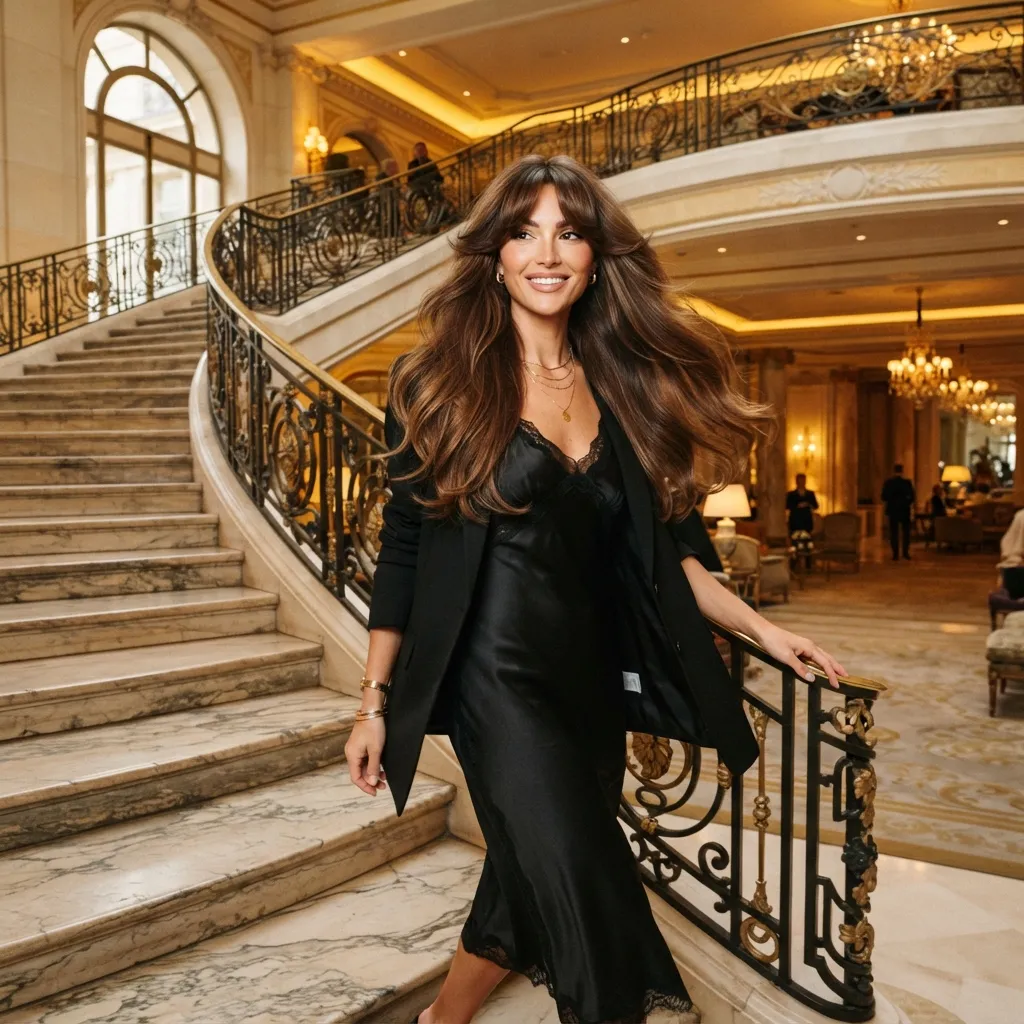
Butterfly bangs for long hair create a strong face framing effect while leaving the overall length untouched. The shortest sections can sit around the cheekbones, followed by longer layers that disappear into the ends. This creates a gradual transition instead of a visible break between the bangs and the rest of the hair.
Long hair gives the layers plenty of room to move. A large round brush can create broad curves that connect the front pieces to the lengths. You can also use a large curling iron to add a soft bend rather than a defined curl.
The result can look especially full when the layers are styled away from the face. If your hair is naturally thick, ask for enough internal layering to prevent the front from becoming too heavy. Fine hair usually benefits from fewer, longer layers that preserve density.
4. Butterfly Bangs on Medium Length Hair
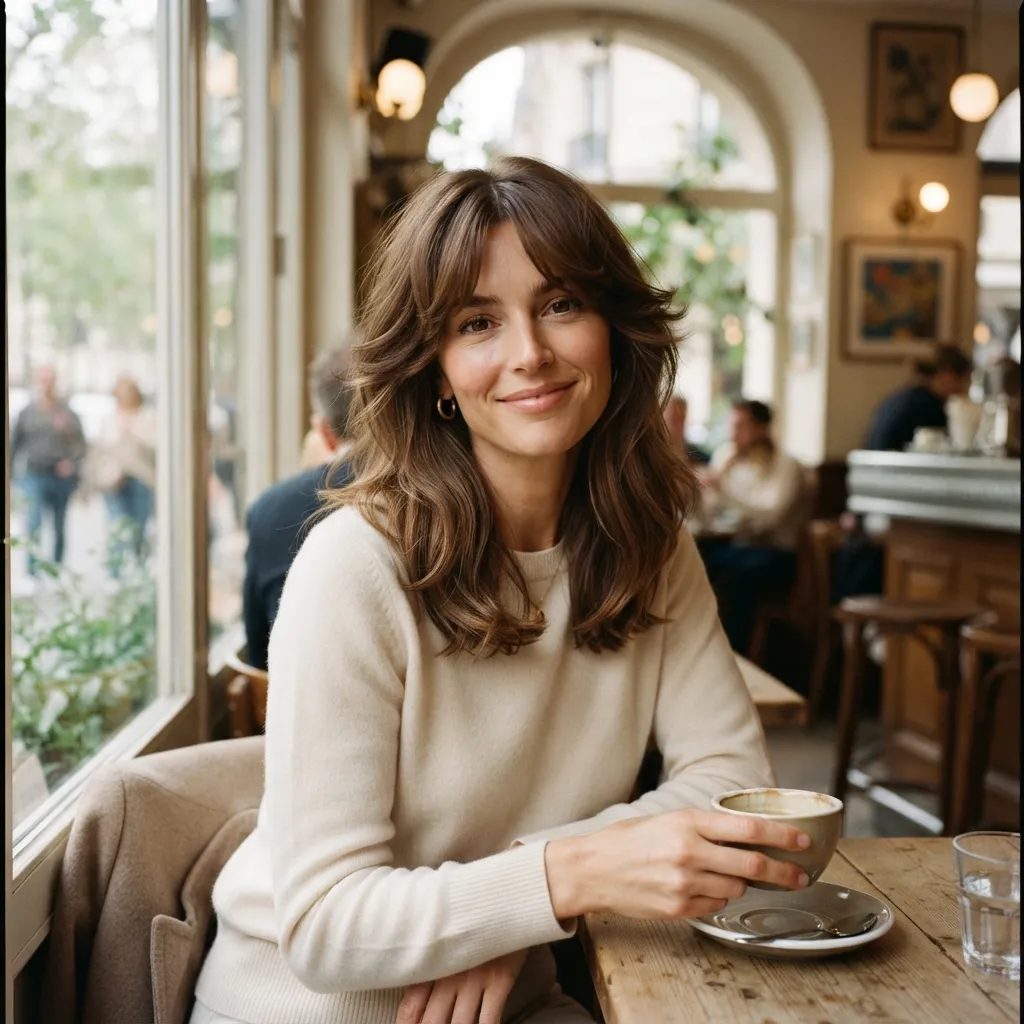
Butterfly bangs on medium length hair create movement without making the haircut feel overly layered. The face framing pieces can begin around the cheekbones and merge into hair that falls around the shoulders or collarbone. This gives the hairstyle a balanced silhouette from front to back.
Medium length hair is especially easy to style with a large round brush. Lift the roots near the crown and direct the front pieces outward. Let the ends retain a slight bend so the hairstyle feels connected rather than heavily curled.
This version is useful if you want a noticeable frame around the face but prefer a manageable overall length. It also works with both center and slightly off center parts. The bangs can be changed from a voluminous blowout to a more natural finish with very little adjustment.
5. Butterfly Bangs With Flipped Ends
Butterfly bangs with flipped ends create a more noticeable retro inspired shape around the face. The front layers curve outward at the ends instead of falling straight down. This gives the hairstyle extra width and visible movement around the cheekbones.
The effect is easiest to create with a round brush or large rollers. Direct each section away from the face and allow it to cool before brushing through. A light styling spray can help preserve the outward curve without turning the hair rigid.
This style works particularly well on medium and long hair. The flipped ends can be subtle for daytime wear or more pronounced for an evening hairstyle. Pairing the shape with a smooth crown keeps the look polished while allowing the front layers to stand out.
6. Wispy Butterfly Bangs
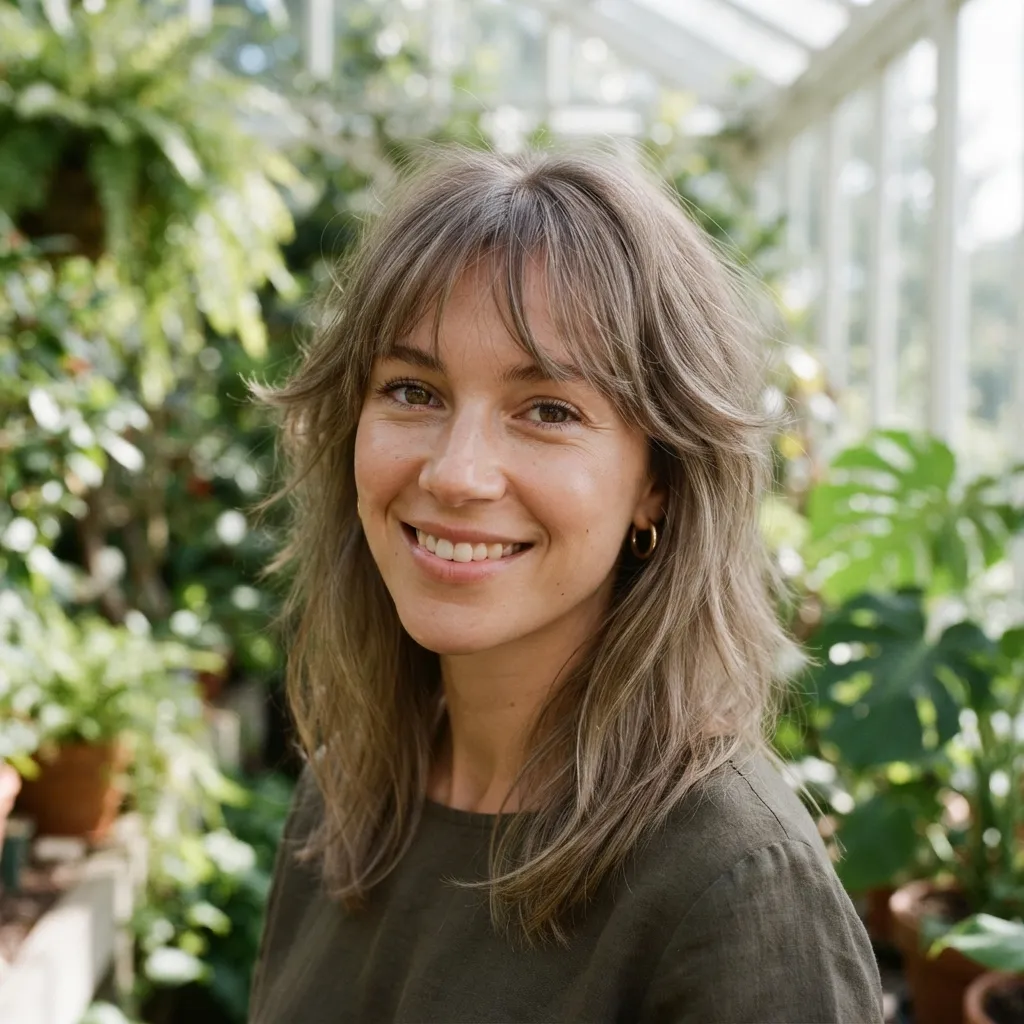
Wispy butterfly bangs give the face framing effect a lighter and more delicate appearance. Instead of thick sections, the fringe uses fine pieces that separate naturally around the eyes and cheeks. This makes the style useful for people who want movement without a heavy bang.
The shorter pieces can be kept slightly longer to avoid a blunt fringe effect. A small round brush can add gentle lift at the roots, while the ends can be swept outward with the fingers. Very little product is needed because too much can make fine strands stick together.
This version is especially suitable for fine or medium density hair. It preserves visual lightness while still creating a clear frame around the face. If your hair is thick, the stylist may need to remove some weight from the front without making the ends too thin.
7. Butterfly Bangs With a Voluminous Blowout
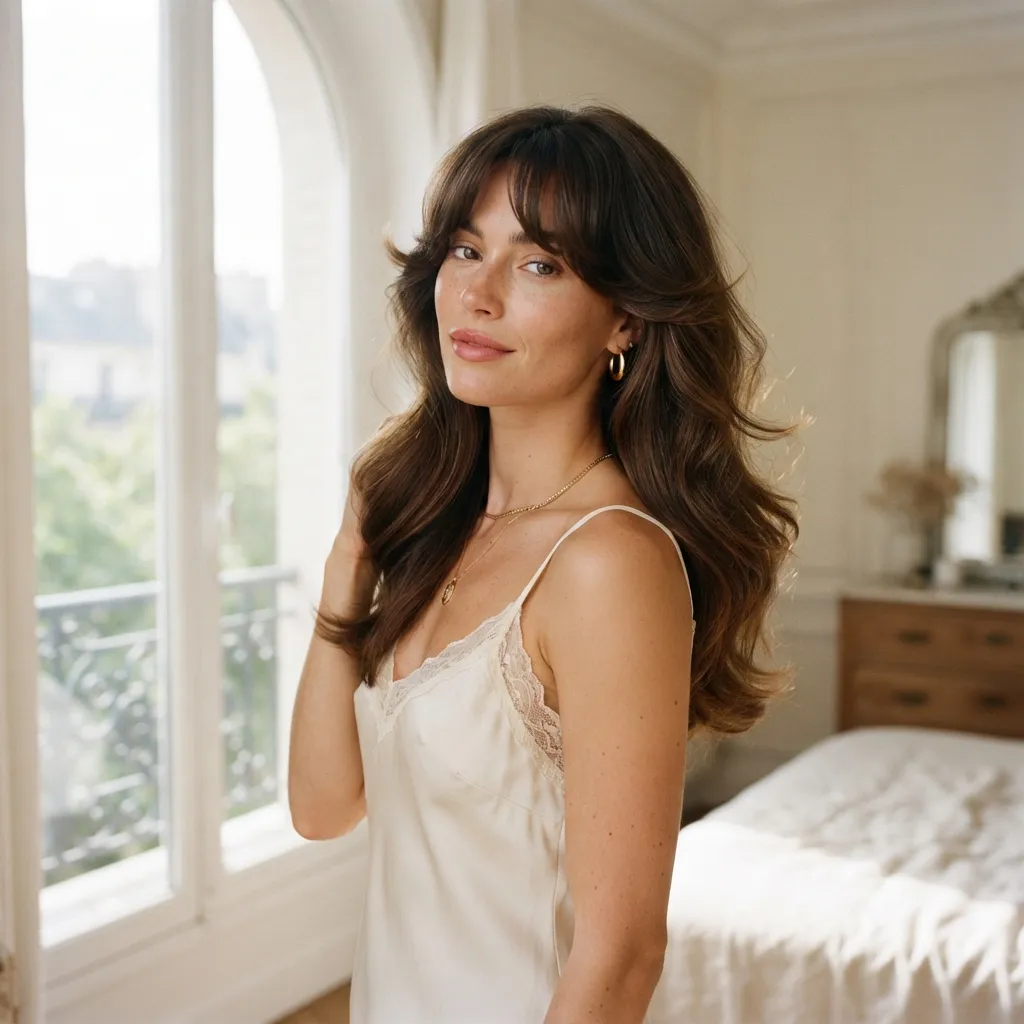
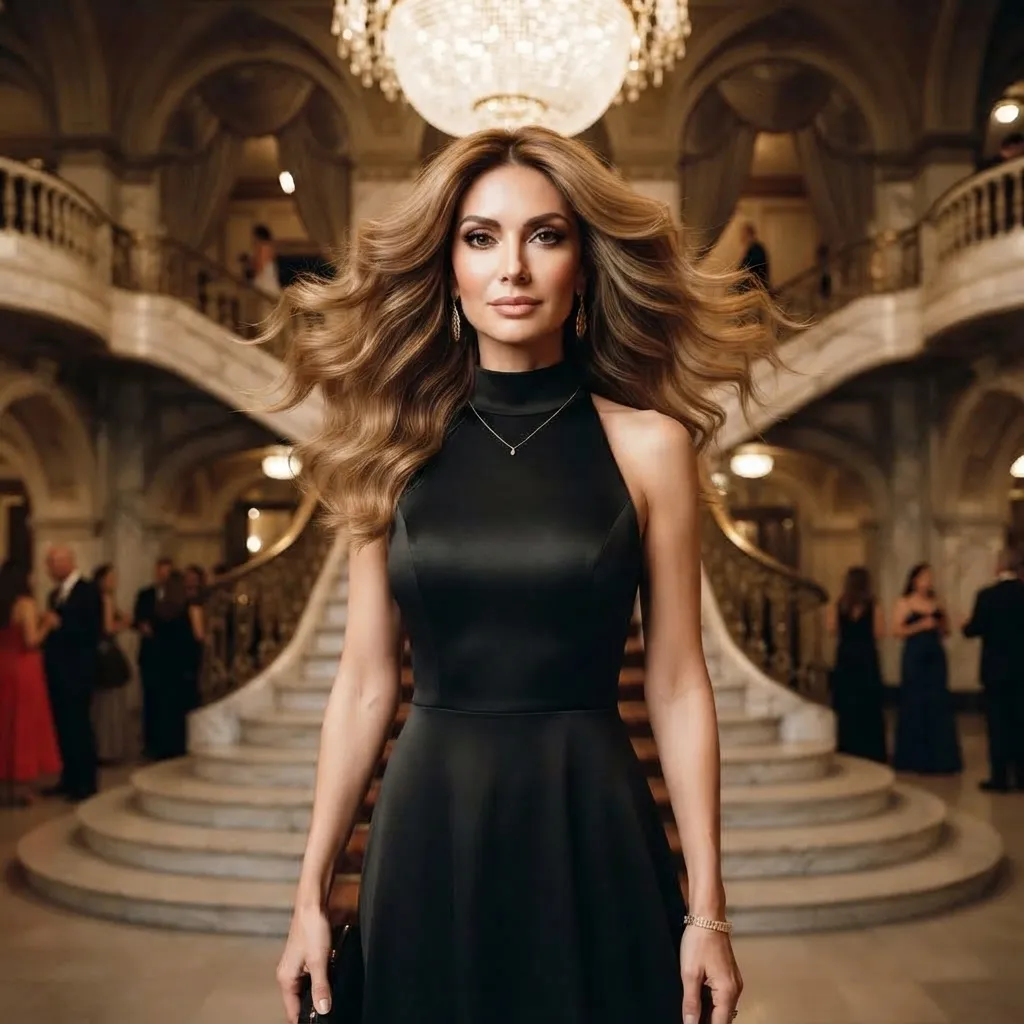
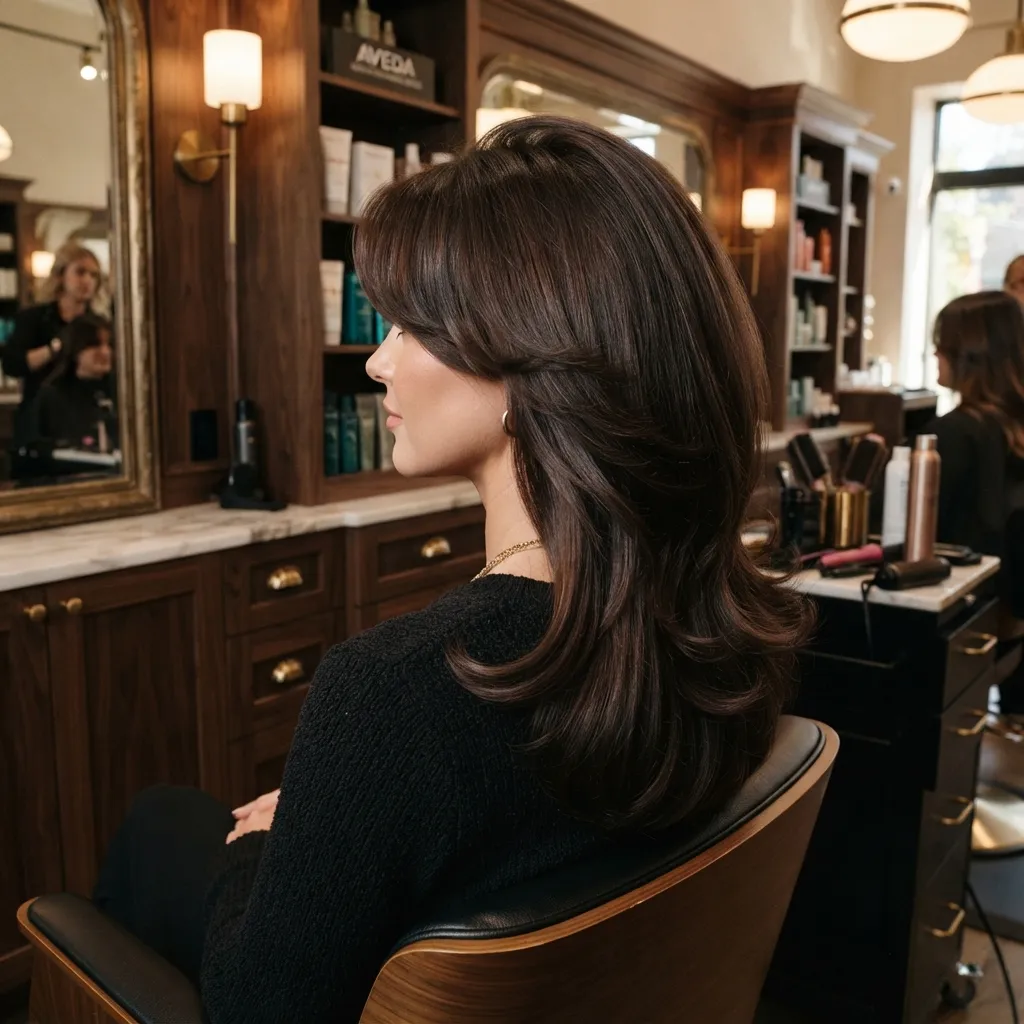
Butterfly bangs with a voluminous blowout create one of the fullest versions of this haircut. The layers are lifted from the roots and swept away from the face to create a broad, flowing frame. The finished hairstyle has movement from the crown through the ends.
A large round brush is the key styling tool for this look. Work in sections and lift each piece away from the face while drying. Once the hair cools, brush through the layers gently to connect the curves.
The style works particularly well for special occasions because it creates visible volume without needing intricate braids or accessories. Long hair gives the blowout more movement, while medium hair creates a more compact silhouette. A flexible finishing spray can help hold the shape while keeping the layers touchable.
8. Butterfly Bangs With Soft Waves
Butterfly bangs with soft waves create a relaxed version of the face framing style. The front layers blend into loose waves instead of a structured blowout. This allows the natural texture to remain visible while the bangs add shape around the face.
The waves should remain loose rather than tightly curled. A large barrel curling iron can create gentle bends, but brushing through the hair afterward helps soften the result. If your hair is naturally wavy, a lightweight curl cream may be enough.
The look works across different hair lengths. Shoulder length hair gives the waves a casual finish, while longer hair creates more movement through the lower layers. Keep the front pieces slightly lighter so they do not become lost among the waves.
9. Butterfly Bangs With a Center Part
Butterfly bangs with a center part create a balanced frame that opens the face from the middle. The shorter sections sweep toward both sides before blending into longer layers. This arrangement gives the hairstyle symmetry while still keeping plenty of movement.
The center part should be established before styling so both sides develop in the same direction. Use a round brush to lift the roots slightly, then direct each section outward. If one side naturally falls heavier, a small amount of root styling can help create a more even result.
This version is easy to change throughout the day. You can tuck the longer pieces behind your ears for a cleaner shape or allow them to fall forward for more framing. The style also pairs naturally with long layers throughout the rest of the haircut.
10. Butterfly Bangs With Curtain Layers
Butterfly bangs with curtain layers create a seamless transition from the forehead to the longer sections around the jaw. The fringe opens softly near the center and expands into feathered layers. This gives the haircut more movement without relying on a short conventional bang.
The layering should be gradual rather than sharply stepped. The shortest section can sit around the upper cheekbone, followed by longer pieces near the jaw. This makes the style easier to grow out because each section connects naturally with the next.
A soft blow dry can bring out the shape. For a more casual result, let the hair dry naturally and use a little cream to separate the front pieces. The haircut can therefore move between polished and relaxed styling without a major change in length.
11. Butterfly Bangs for Thick Hair
Butterfly bangs for thick hair need controlled layering to create movement without adding excessive bulk around the face. The front sections should be light enough to curve outward but dense enough to look healthy. Longer layers can then connect the bangs to the rest of the haircut.
Thick hair often holds a blowout well, which makes this style easier to maintain once shaped. Use a large round brush to direct the front pieces away from the face. A smoothing serum on the ends can reduce excess puffiness while keeping the layers defined.
The haircut can also be worn naturally if the hair has a wave pattern. Ask for layers that follow your natural texture rather than relying on heavy thinning. This keeps the ends fuller and gives the butterfly shape a more natural appearance.
12. Butterfly Bangs With Face Framing Layers
Butterfly bangs with extended face framing layers create the most seamless version of the style. The shortest sections begin around the eyes or cheekbones and gradually lengthen toward the chest. Instead of looking like separate bangs, the front becomes part of the entire haircut.
This approach works especially well if you want movement without committing to a noticeable fringe. The shorter pieces can still be swept away from the face when styling. On casual days, they can fall naturally and blend into the longer layers.
The final shape depends heavily on the transition between each layer. A skilled stylist can preserve enough length to avoid a choppy appearance while still creating visible movement. This makes the style particularly useful for long hair that needs more shape around the face.
Conclusion
Butterfly bangs offer a flexible way to add movement around the face without giving up the length of your hairstyle. The cut can be subtle with wispy pieces or much fuller with a dramatic layered blowout. Changing the shortest layer, parting, and styling technique can completely alter the final effect.
The 12 variations show how the same basic idea can work across long, medium, straight, wavy, fine, and thick hair. A softer version can blend almost invisibly into the haircut, while a fuller style creates a more noticeable feathered frame.
When choosing butterfly bangs, focus on where you want the shortest layer to sit and how much daily styling you are willing to do. Those two decisions will have the biggest effect on the final result. A well blended shape should move naturally with your hair and remain easy to adjust as it grows.
FAQs About Butterfly Bangs
What are butterfly bangs?
Butterfly bangs are long, feathered face framing bangs that usually begin around the eyes or cheekbones and become longer toward the jaw. They are designed to blend into layered hair rather than create a short, solid fringe.
Are butterfly bangs the same as curtain bangs?
Butterfly bangs and curtain bangs are closely related but not identical. Curtain bangs usually emphasize a parted fringe, while butterfly bangs often include more graduated face framing layers that extend farther into the haircut.
Are butterfly bangs good for long hair?
Yes, long hair is particularly well suited to butterfly bangs because the shorter front pieces can gradually blend into the longer lengths. This creates movement without removing significant overall length.
Can butterfly bangs work on short hair?
Yes, butterfly inspired face framing can be adapted to medium and shorter hairstyles. The layers simply need to be shorter so they connect naturally with the rest of the cut.
Are butterfly bangs good for thin hair?
Yes, but fine hair usually benefits from longer, carefully placed layers. Too many layers can remove density and make the ends look thinner.
Can butterfly bangs work with curly hair?
Yes, butterfly bangs can be adapted for curly hair. The stylist needs to account for shrinkage and cut the face framing pieces according to the natural curl pattern.
How do you style butterfly bangs?
Use a round brush to lift the roots and sweep the front sections away from the face. A large roller can also create the soft curved shape associated with butterfly bangs.
How long do butterfly bangs take to grow out?
Because butterfly bangs are relatively long, they can transition into regular face framing layers as they grow. This makes them easier to grow out than many short or blunt fringe styles.
What hair length works best with butterfly bangs?
Butterfly bangs can work with medium and long hair, with the exact layering adjusted to the overall length. Shoulder length hair can create a softer compact frame, while long hair allows a more dramatic cascading effect.