Flipped Ends Hairstyles: 15 Retro Inspired Looks for a Modern Finish
Khadija Sharif·
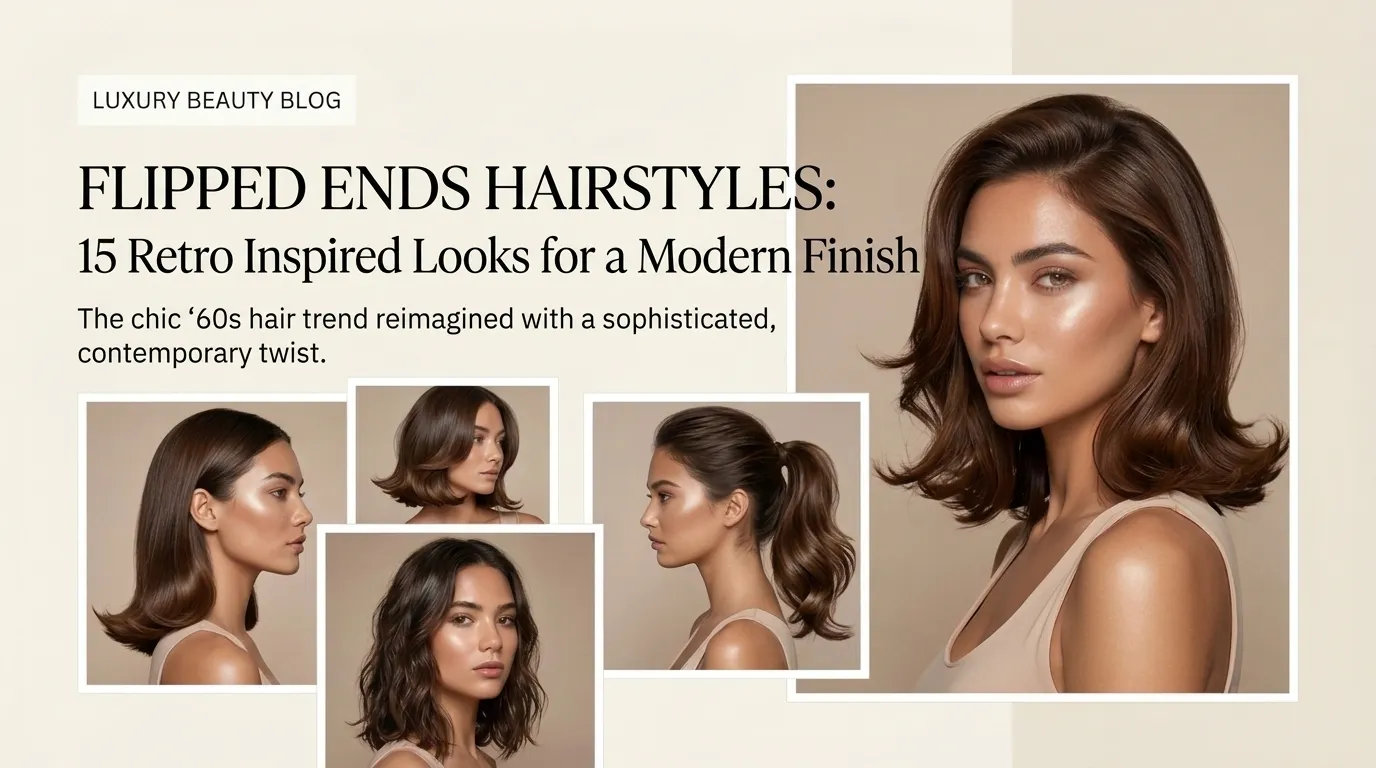
Flipped ends hairstyles bring a playful shape to the hair by turning the ends outward instead of letting them fall straight or curl inward. The technique can completely change the character of a haircut without requiring a dramatic cut. A simple outward bend can make a bob look sharper, give long layers more movement, or add a vintage touch to a modern ponytail.
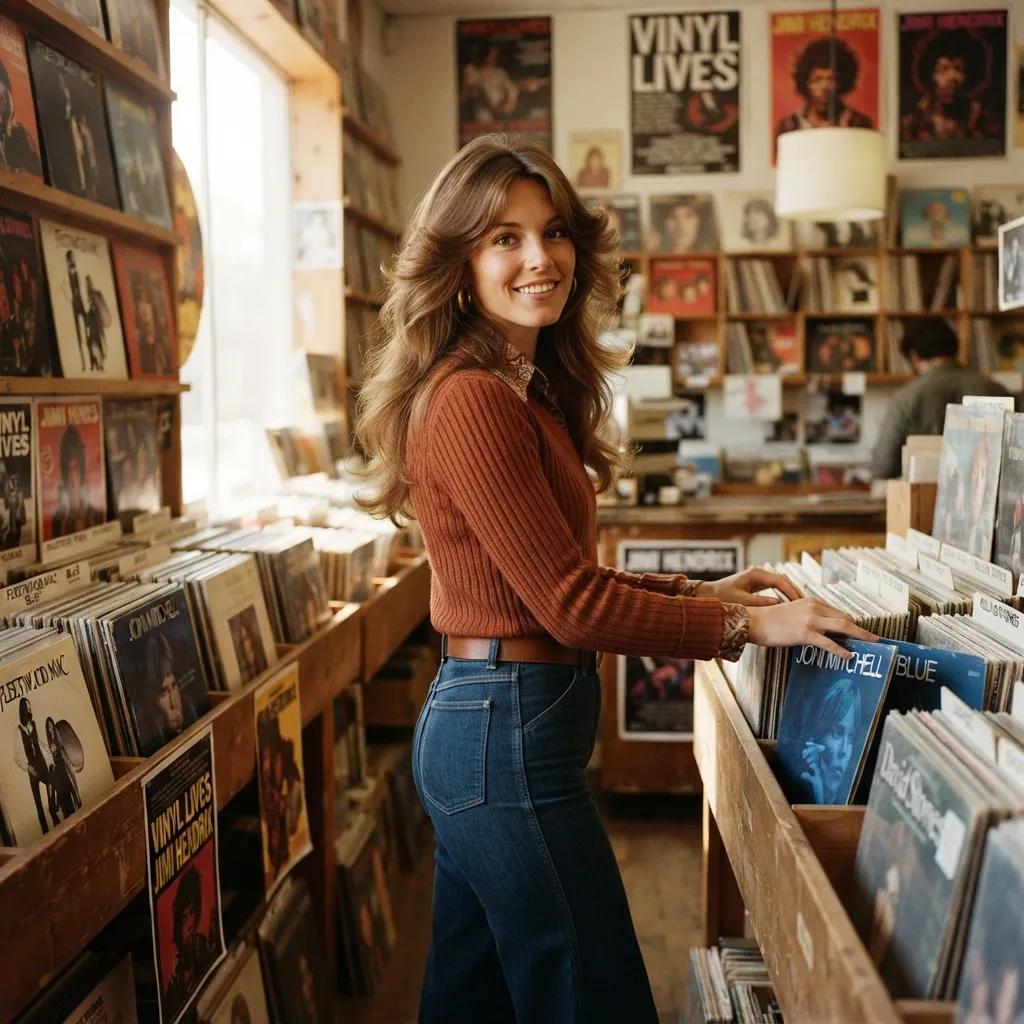
The look has appeared in different forms across several decades. The polished flips of the 1960s had a neat, sculpted finish, while 1970s versions often paired outward ends with softer layers and volume. The 1990s brought a cleaner interpretation that worked especially well with sleek bobs and medium length cuts.
Today, flipped hair feels less costume like because the shape can be adjusted to suit different lengths and textures. A subtle flip looks refined and easy to wear, while a larger curve creates a stronger retro statement. The following hairstyles show how versatile this simple styling detail can be.
1. Classic Flipped Bob
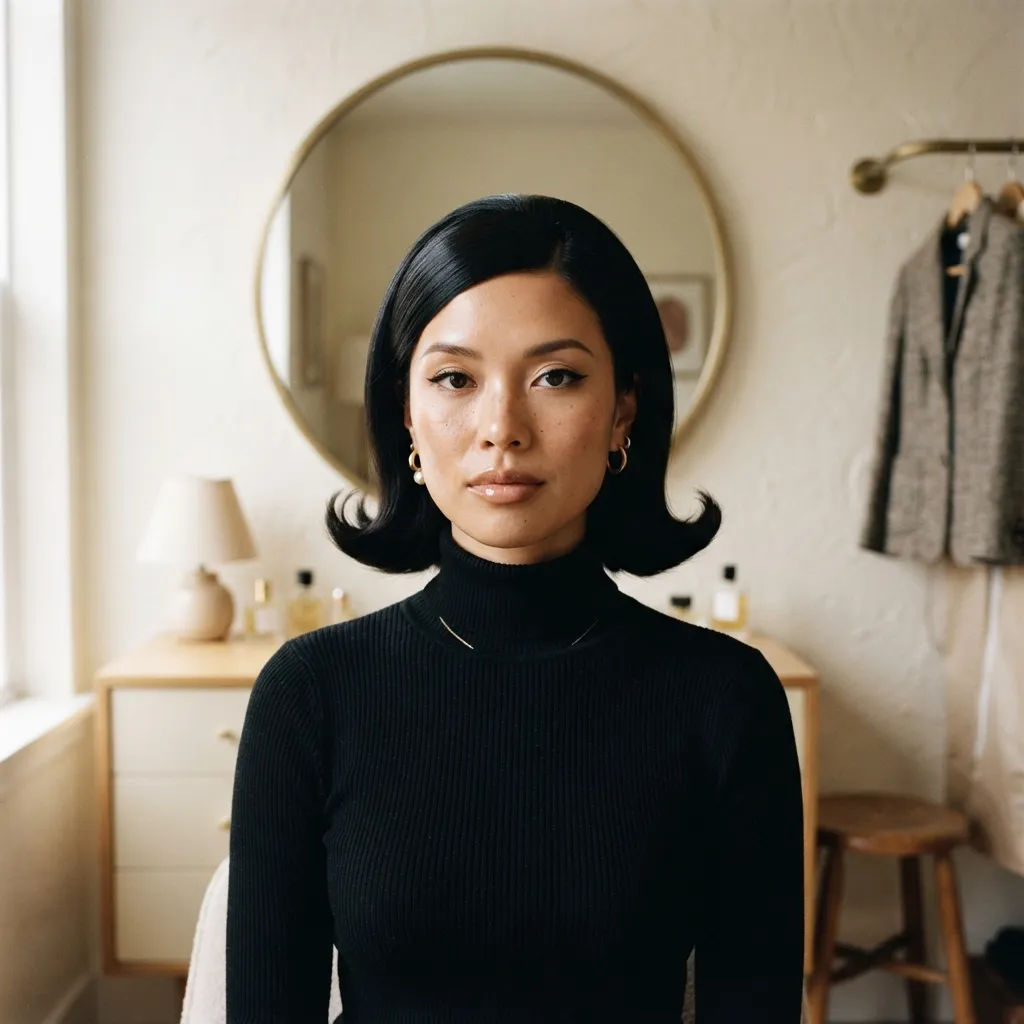
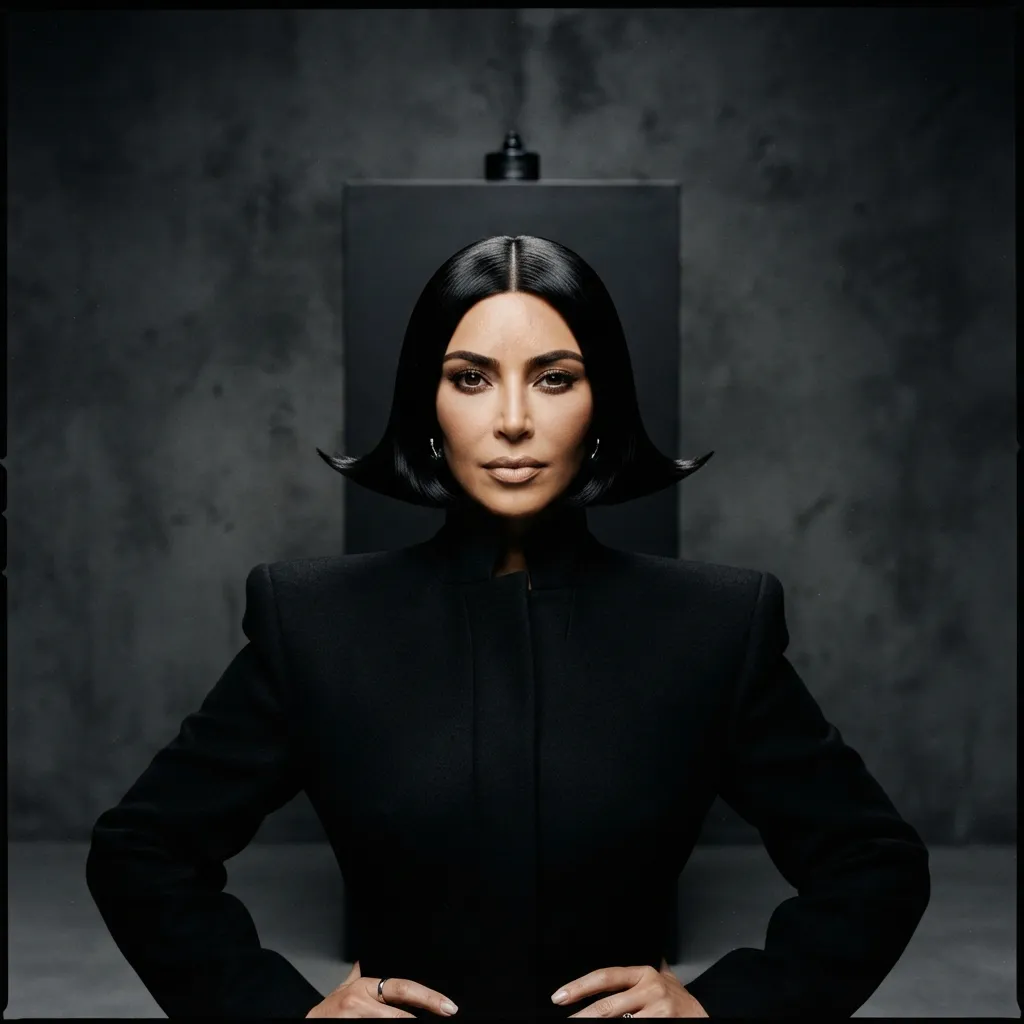
The classic flipped bob is one of the clearest ways to wear retro flipped ends. The hair usually sits around the jaw or just above the shoulders, with the ends turning outward in a smooth curve. This creates a clean silhouette that feels polished without looking overly formal.
The shape works particularly well when the hair has a smooth surface. Straight strands allow the outward curve to remain visible and give the haircut a crisp finish. A slight lift at the crown can also make the bob feel more balanced.
For a softer modern version, keep the flip small rather than creating a dramatic curl. The ends should move away from the face while the rest of the hair remains relatively straight. This gives the hairstyle a subtle vintage reference without making it look dated.
2. Shoulder Length Hair With Soft Flips
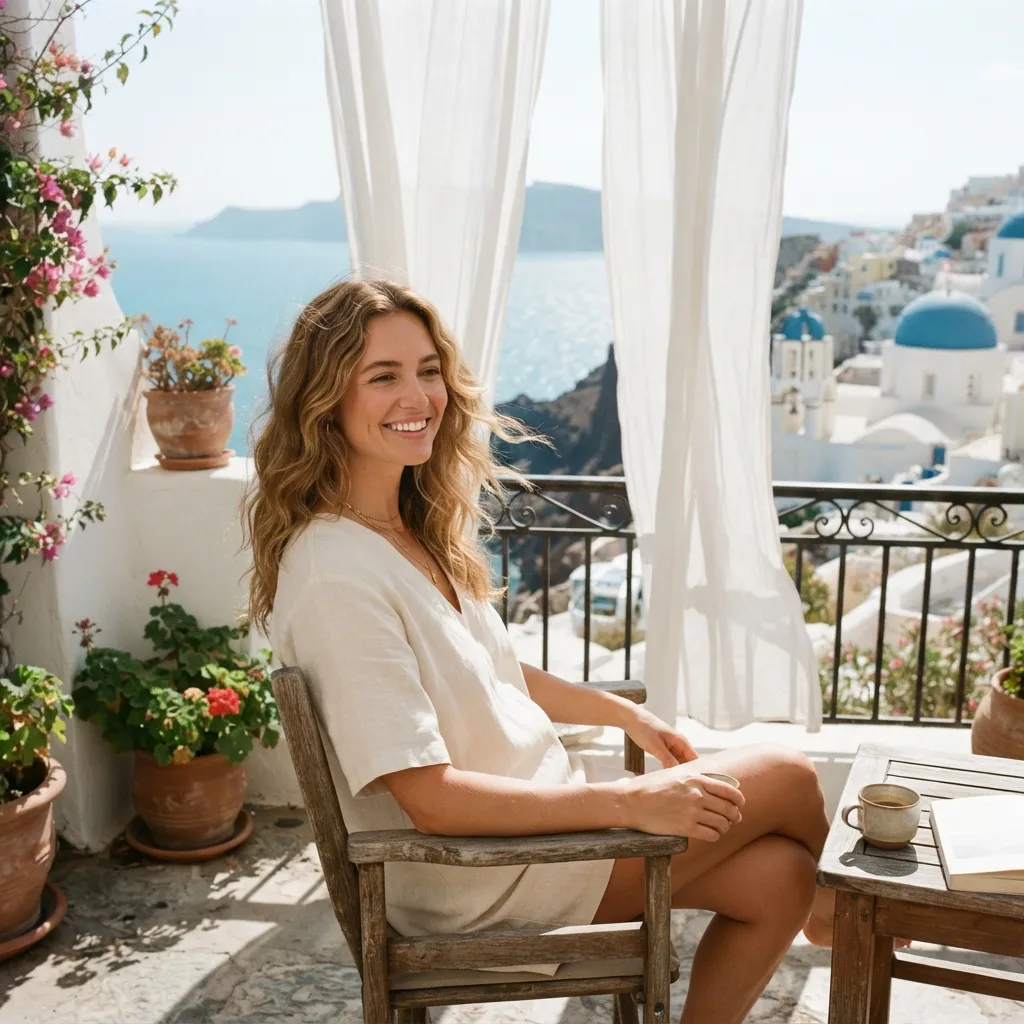
Shoulder length hair gives flipped ends a relaxed and versatile appearance. The extra length allows the ends to curve outward without making the entire hairstyle feel overly structured. Soft layers can help the flip blend naturally into the rest of the haircut.
This version is ideal when you want movement without committing to strong curls. The hair remains mostly smooth through the upper sections, while the bottom few inches provide the visual detail. That contrast makes the shape easy to notice.
A round brush is useful for creating this finish because it lets you control the direction of the ends. Direct each section outward as you dry it, then allow the hair to cool before brushing through it. The result should have a gentle bounce rather than a stiff curl.
3. Voluminous 1960s Flip
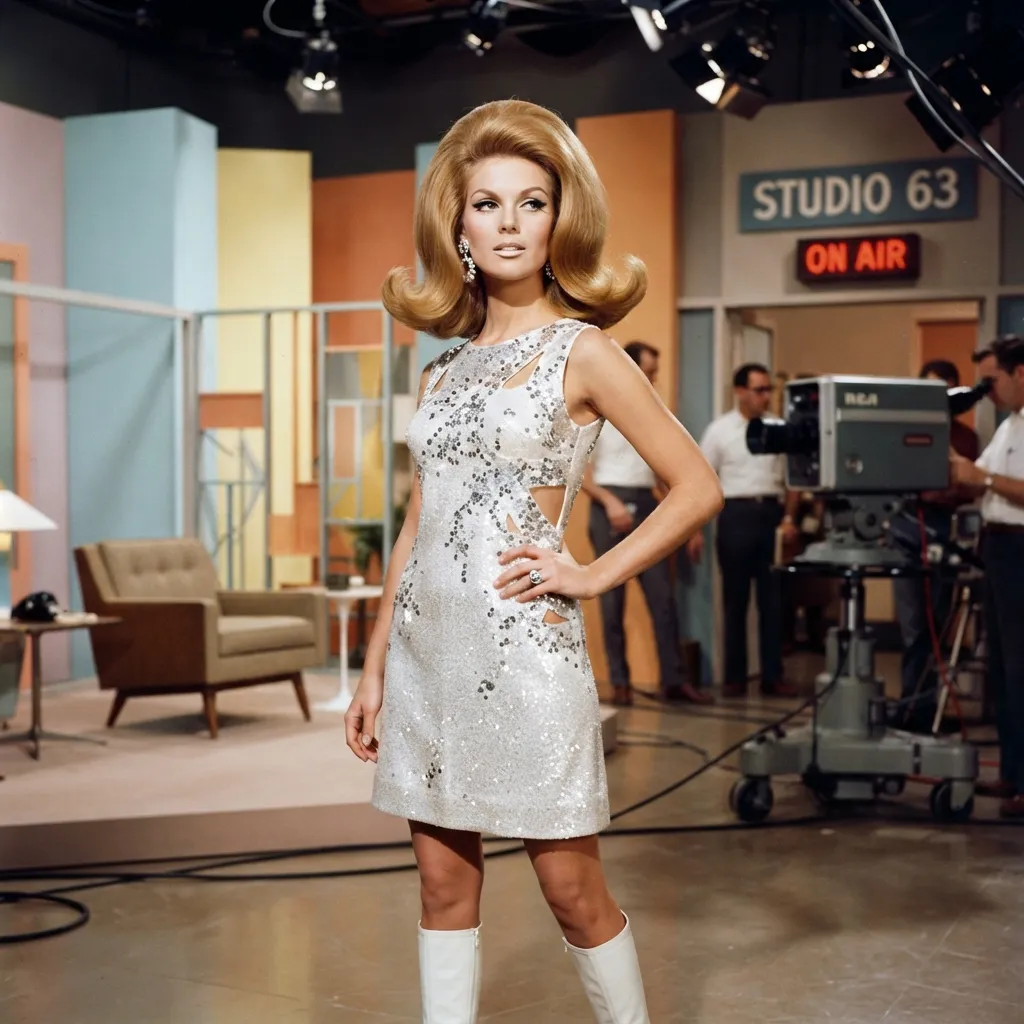
The 1960s inspired flip is bigger, more structured, and noticeably lifted at the roots. The ends curve outward in a strong arc while the upper hair carries considerable volume. This combination creates the dramatic silhouette associated with classic retro hairstyles.
The style looks particularly striking on medium length hair. A little backcombing around the crown can provide the height needed to balance the wide ends. The surface should still remain smooth so the overall shape looks intentional.
Large rollers can help create the foundation for this hairstyle. Once the hair is dry, brush it gently into shape and direct the ends outward with a round brush. A light finishing spray can hold the silhouette while preserving some movement.
4. Flipped Ends With Curtain Bangs
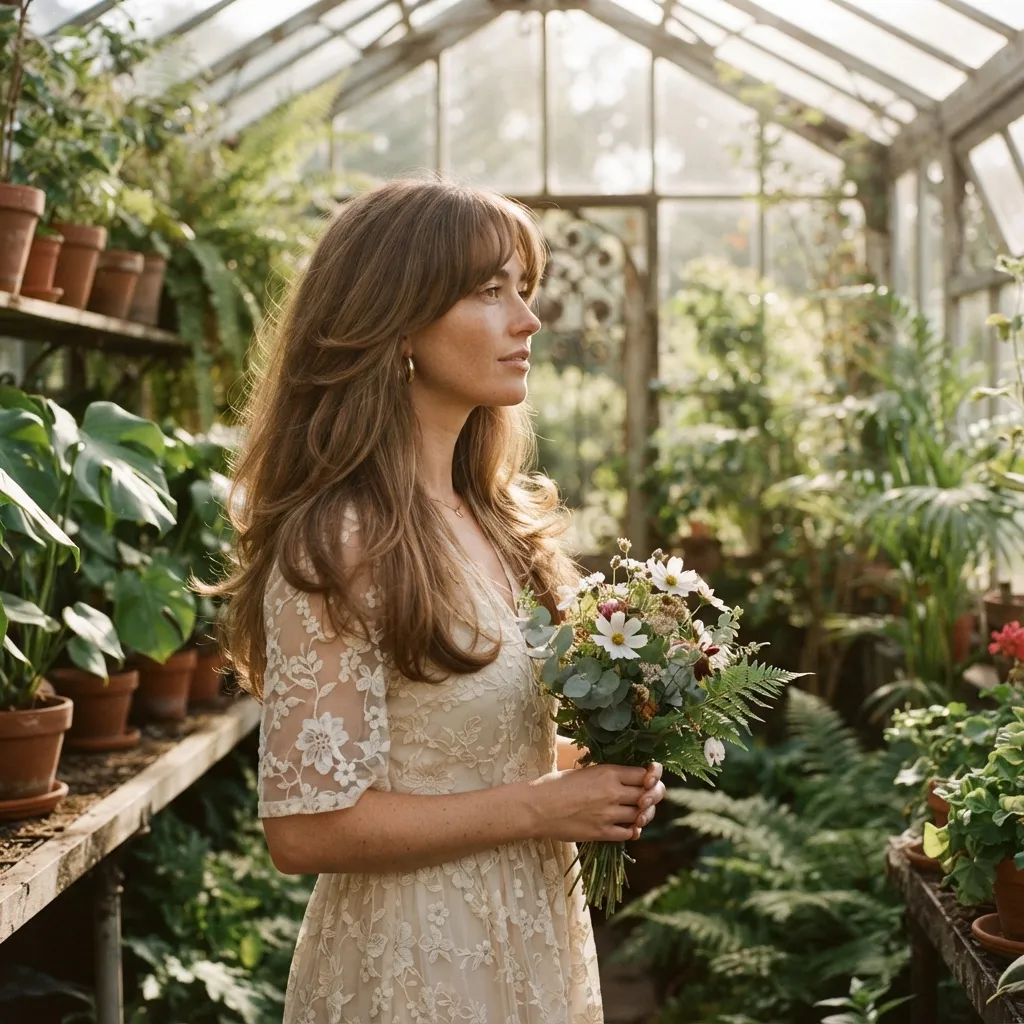
Flipped ends and curtain bangs create a balanced combination of movement around the face and outward shape through the lengths. The bangs open softly from the center, while the lower sections turn away from the shoulders. Together, these details create a flowing silhouette.
This hairstyle works well when you want a softer take on retro hair. The curtain bangs prevent the style from feeling too geometric, while the flipped ends keep the overall shape distinctive. Long layers can help connect the two sections.
The flip does not need to be identical on both sides. Slight variation can make the hairstyle look more natural and modern. Keep the bangs lightly curved rather than heavily rolled to preserve an effortless finish.
5. Short Pixie With Flipped Layers
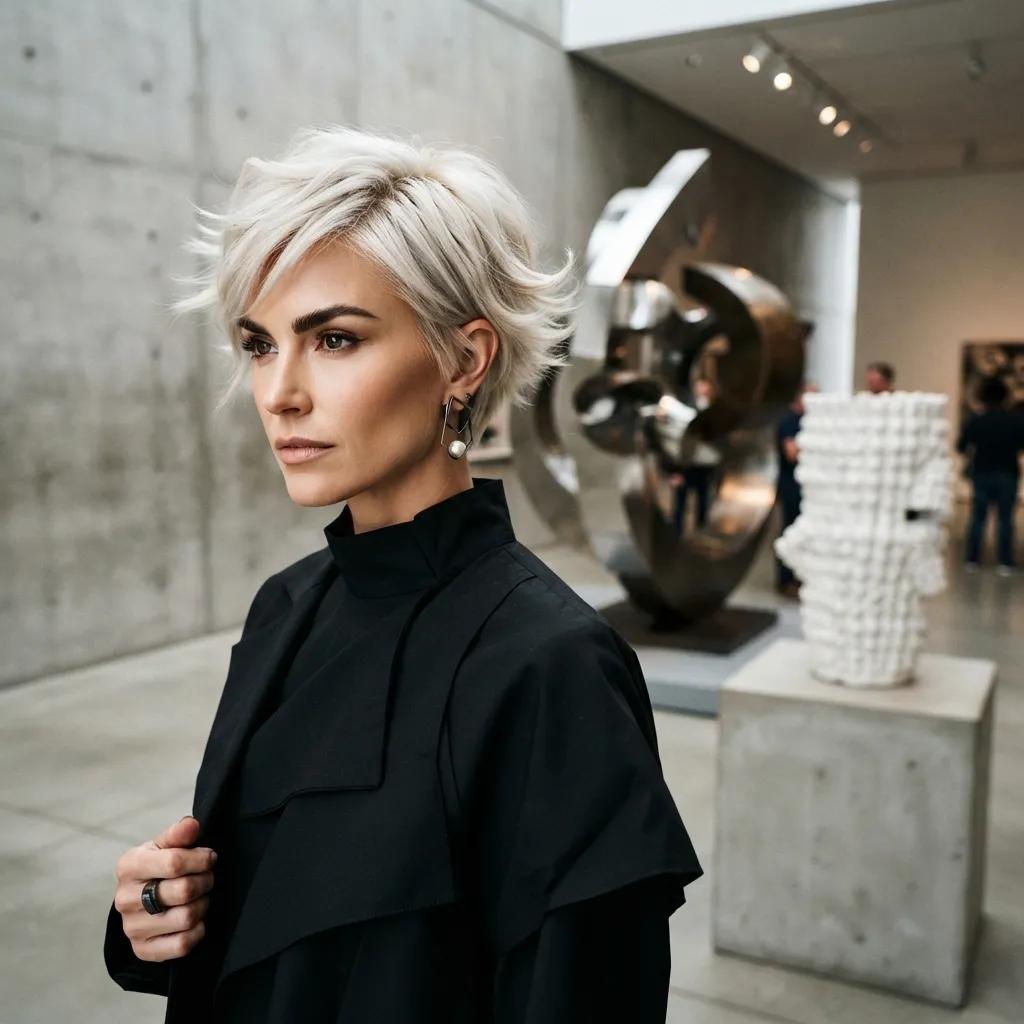
A short pixie can use flipped layers to create texture and direction around the sides. Instead of forming one smooth outward curve, the shorter pieces turn away from the head in small sections. This gives the haircut a playful retro character.
The technique works best when the haircut already contains enough texture to support movement. Longer pieces around the crown and sides can be styled outward with a small round brush or flat iron. Shorter areas can remain closer to the head for contrast.
This look has a stronger fashion edge than a traditional flipped bob. It suits people who want retro inspiration without wearing a long hairstyle. A matte or lightly polished finish can change the mood from casual to sophisticated.
6. Long Hair With Flipped Face Framing Layers
Long hair can incorporate flipped ends through shorter face framing sections rather than flipping the entire length. The pieces around the cheeks and jaw curve outward, creating movement near the face. The remaining hair can stay straight or carry a very soft wave.
This approach is useful for anyone who likes long hair but wants a retro detail. It also avoids the heavier styling required to flip an entire head of very long hair. The face framing pieces become the main feature.
For a polished result, use a large round brush to direct the shorter sections away from the face. Keep the ends smooth and avoid creating tight curls. The contrast between straight lengths and outward curves gives the hairstyle a modern finish.
7. Flipped Lob With Middle Part
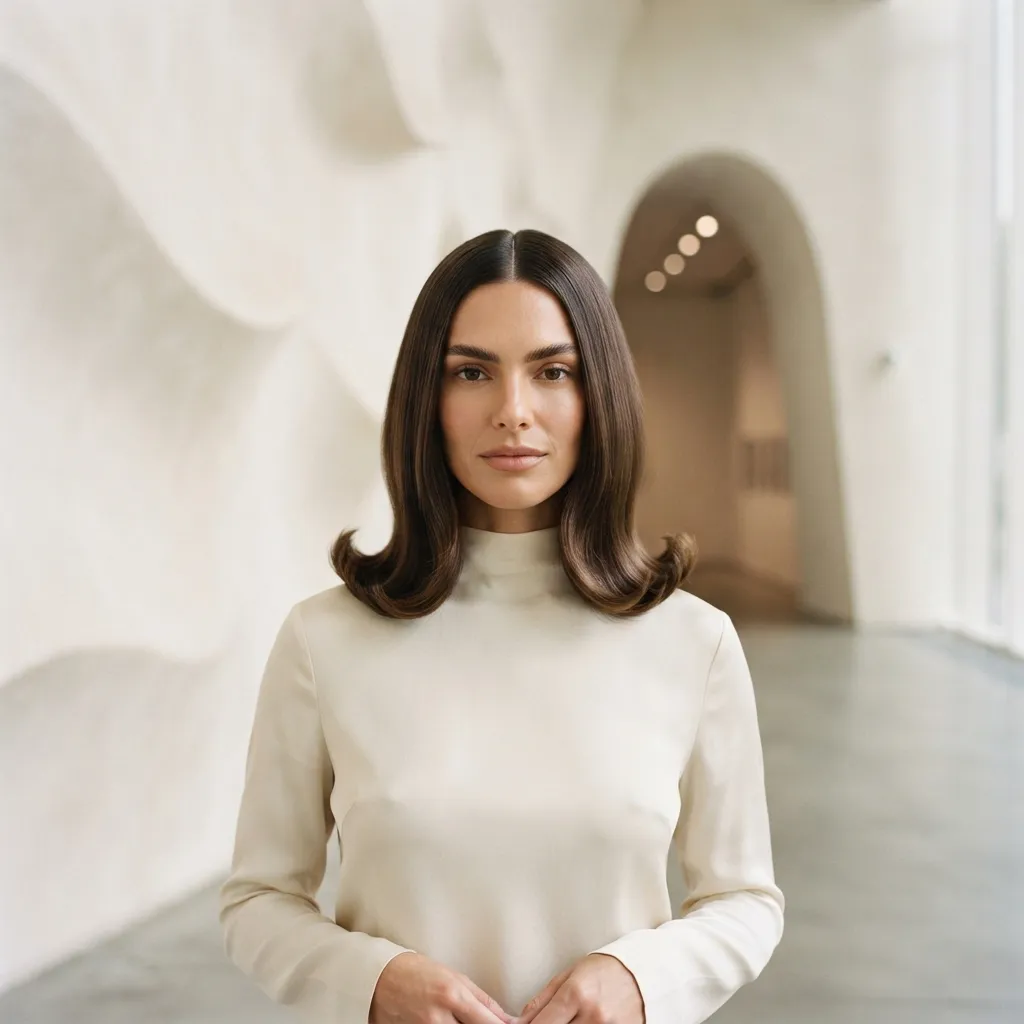
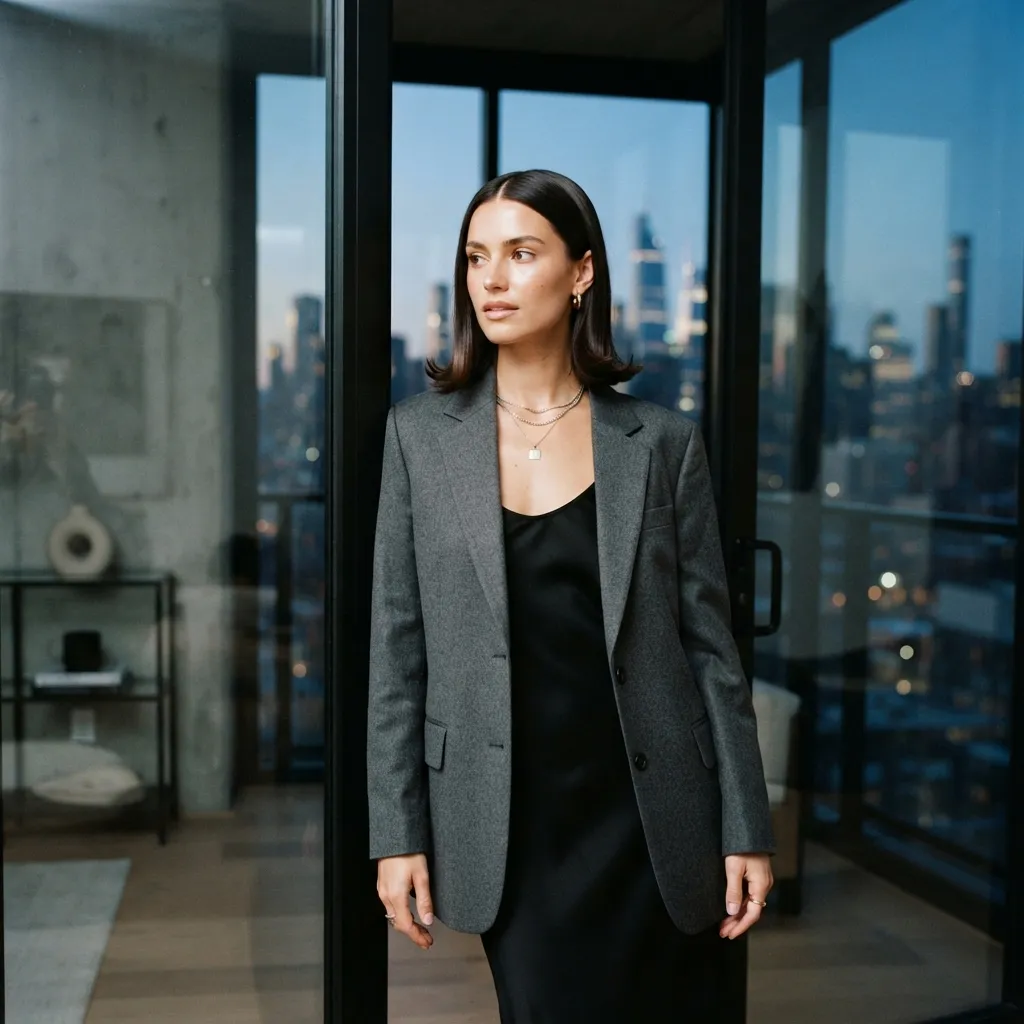
A flipped lob combines the clean shape of a long bob with outward moving ends. A middle part keeps the hairstyle symmetrical and gives the retro detail a contemporary edge. The result feels polished without becoming overly dramatic.
This version works especially well on straight or lightly wavy hair. The length usually sits near the collarbone, which gives enough space for the ends to form a visible curve. The middle part also keeps the focus on the shape of the haircut.
Try flipping only the bottom section rather than curling the entire length. The upper hair should remain smooth and close to its natural texture. This creates a defined transition between the straight body and the outward ends.
8. Feathered Layers With Outward Ends
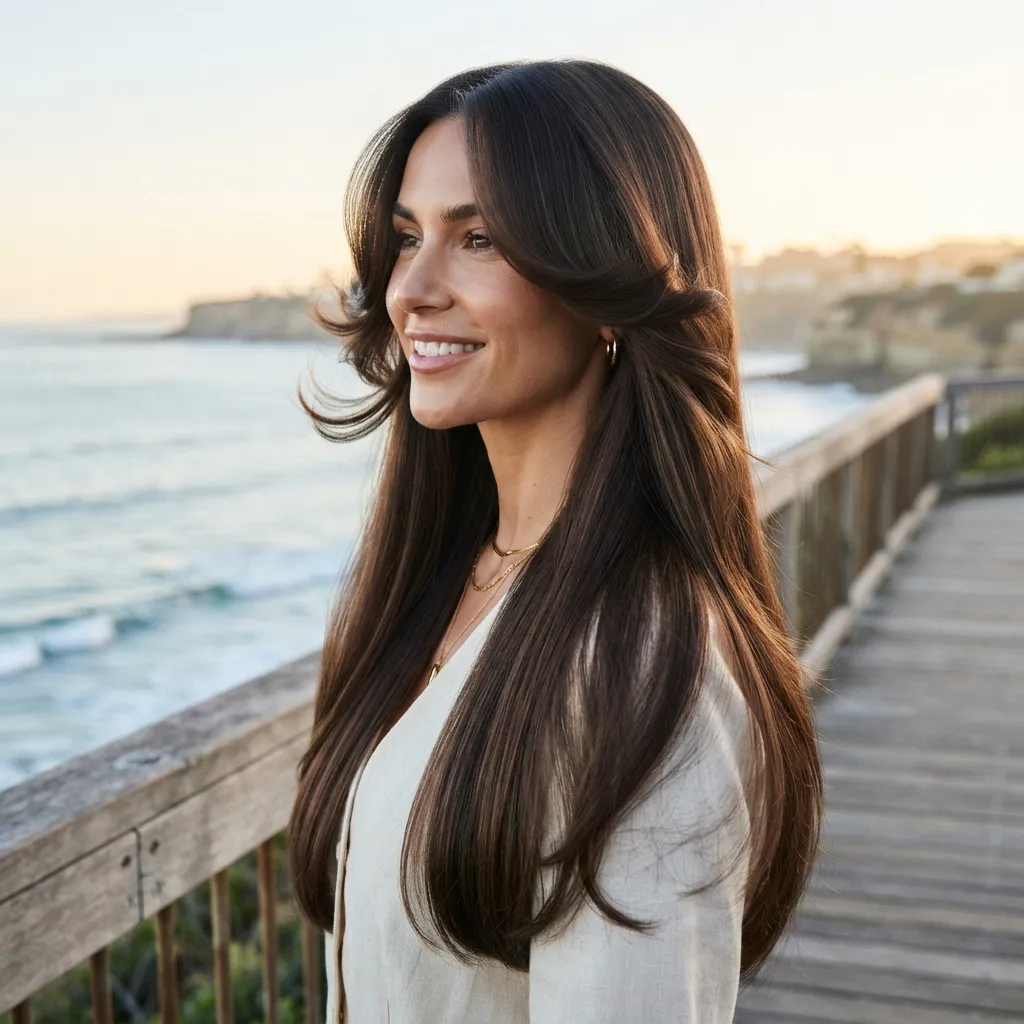
Feathered layers naturally lend themselves to flipped ends because the individual sections already have movement. The layers can curve away from the face and shoulders instead of falling directly downward. This creates a soft silhouette with plenty of dimension.
The style has a clear 1970s influence but can be adjusted for current tastes. Keeping the layers longer and the finish smoother creates a more understated interpretation. More separation between the layers gives the hairstyle a stronger vintage effect.
A blow dry brush can shape the layers without making them overly curled. Work section by section and direct the ends outward. Finish by gently separating the layers with your fingers so they retain their airy movement.
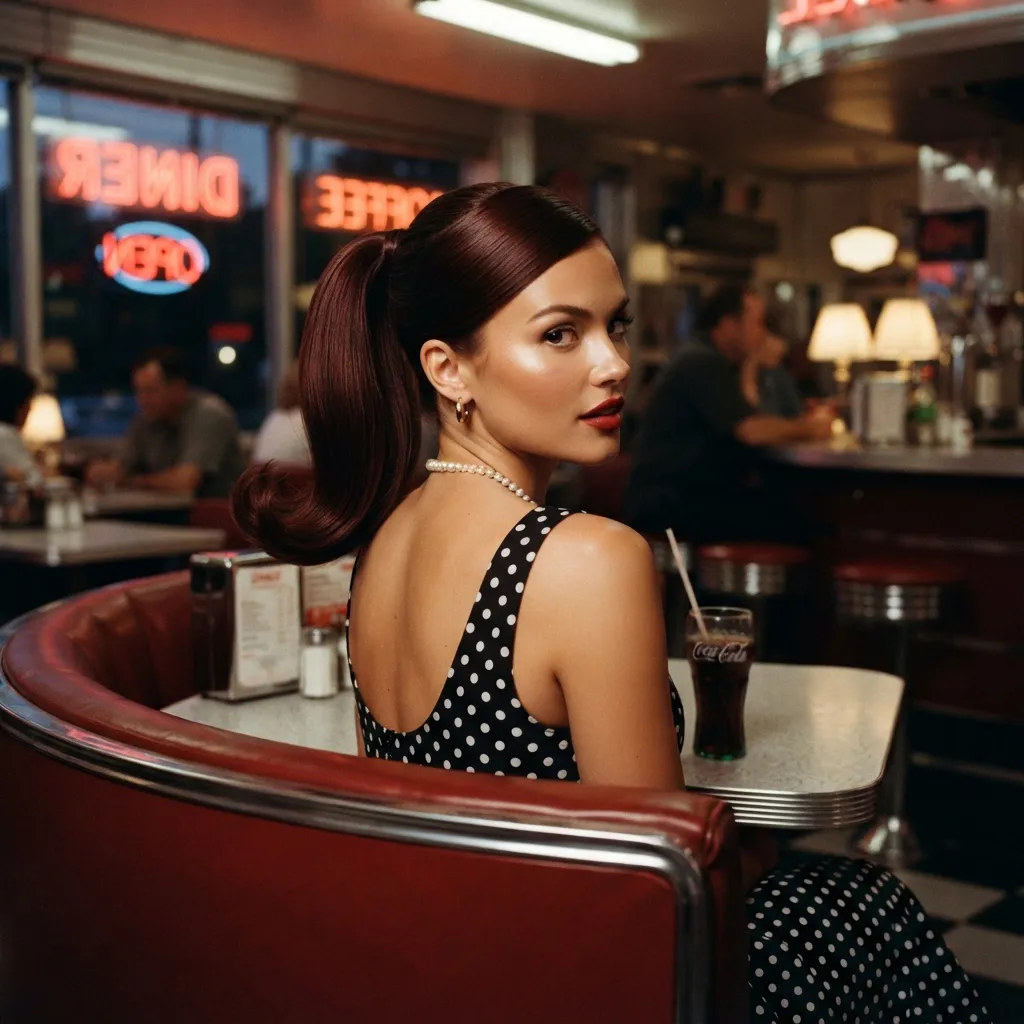
9. Sleek Flipped Ponytail
A flipped ponytail gives a familiar everyday hairstyle a more polished retro finish. The hair is pulled into a ponytail while the loose ends are curved outward. The result is clean at the crown but playful through the tail.
This style works particularly well with medium or long straight hair. A sleek base creates contrast with the flipped ends and makes the shape more visible. A section of hair wrapped around the elastic can hide the tie and give the ponytail a finished appearance.
The flip can be subtle for daytime wear or larger for an evening look. Use a round brush or styling iron to shape the ends after securing the ponytail. Keep the tail flexible rather than hard so it retains movement.
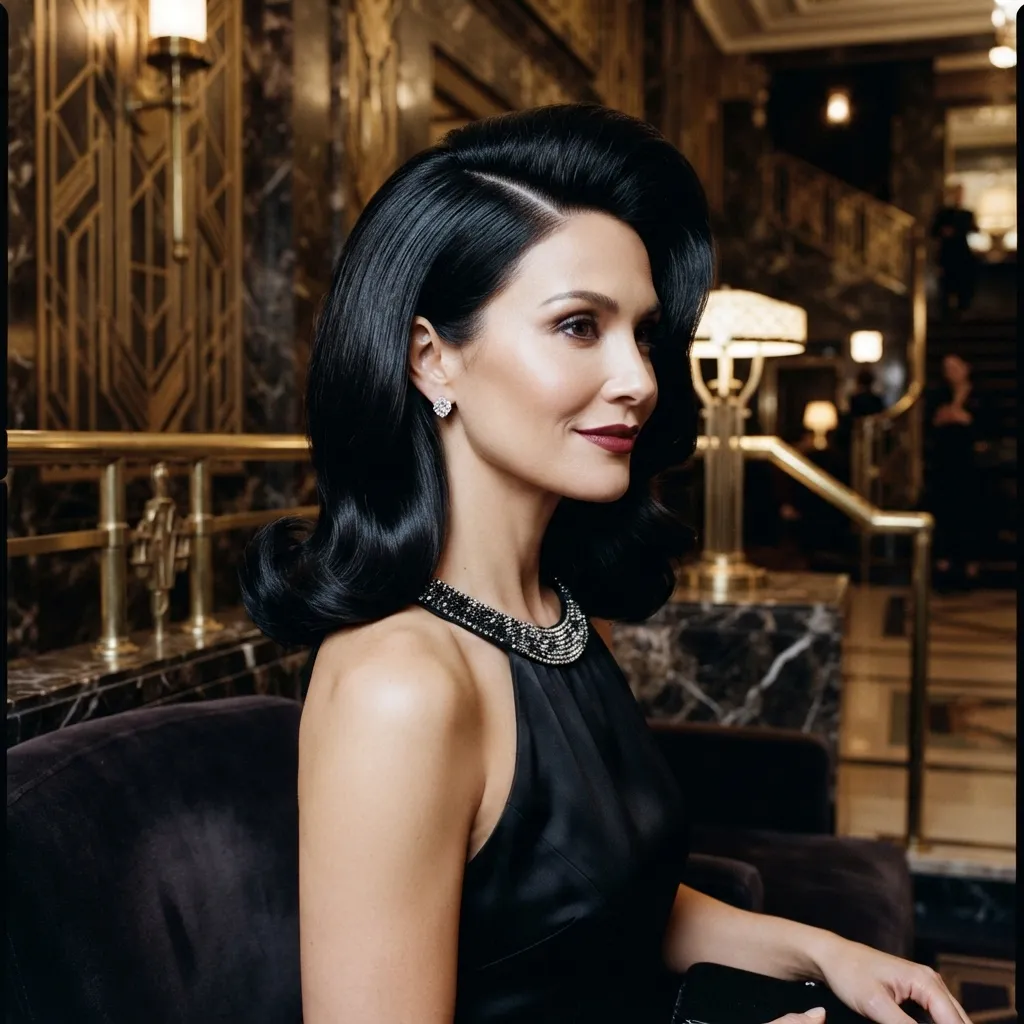
10. Flipped Ends With a Deep Side Part
A deep side part changes the balance of a flipped hairstyle by creating extra height on one side. The roots rise naturally where the hair is redirected, while the ends curve outward below. This gives the style an elegant asymmetrical quality.
The look can be created on a bob, lob, or medium length layered haircut. Straight hair creates the cleanest finish, but a small amount of natural wave can make it feel softer. The important detail is keeping the upper section smooth enough to show the change in direction.
Set the part while the hair is still damp and dry the roots away from their natural position. Once the hair cools, shape the ends outward. A lightweight spray can help maintain the side swept structure without flattening the crown.
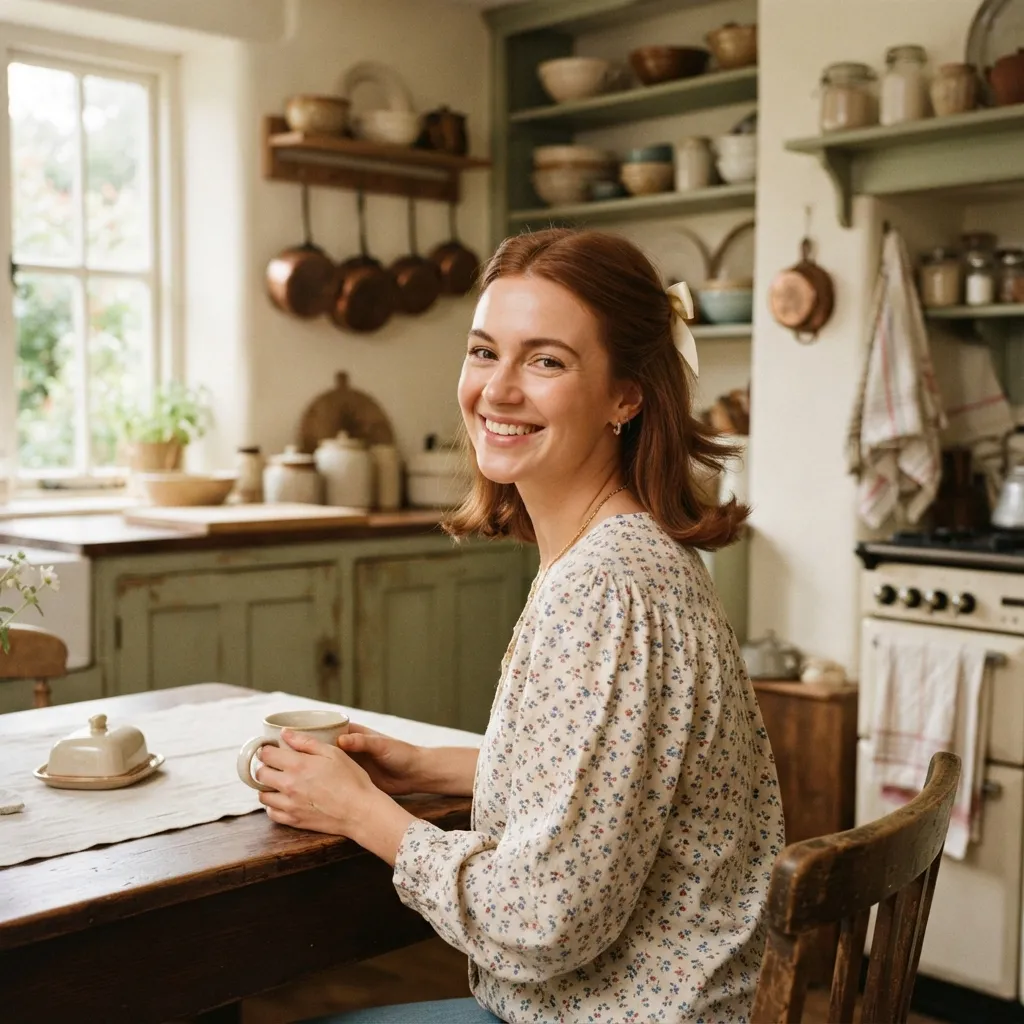
11. Half Up Hair With Flipped Ends
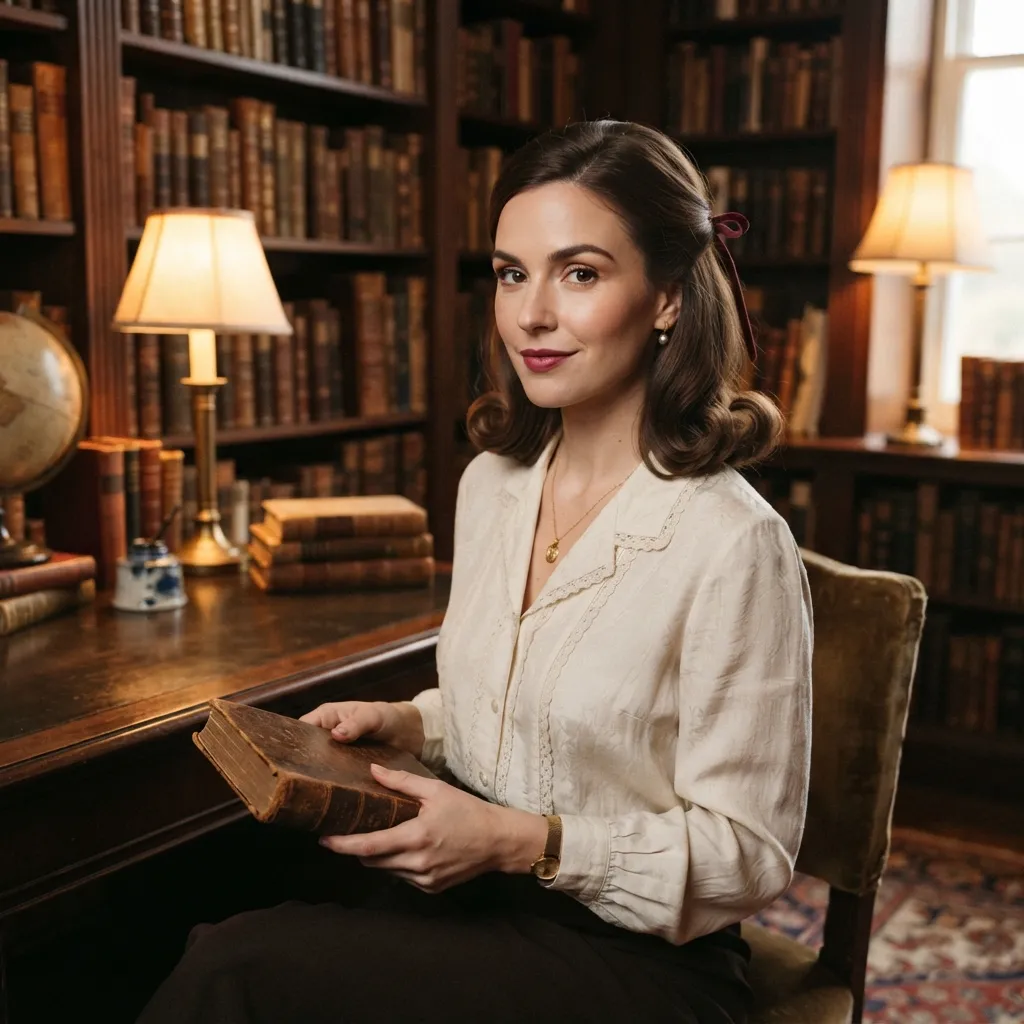
A half up hairstyle becomes more playful when the loose lower section is finished with outward flipped ends. The upper section keeps the face open while the lower hair provides the retro shape. This creates a balance between practical styling and vintage detail.
The upper section can be secured with a simple clip, ribbon, or small elastic. Avoid pulling it too tightly if you want a softer silhouette. The loose ends should remain the main focus rather than competing with too many accessories.
This hairstyle is particularly easy to adapt for medium length hair. Flip the ends after securing the upper section so the shape stays controlled. A small amount of shine spray can enhance the smooth retro finish.
12. Blunt Bob With Dramatic Flips
A blunt bob creates a strong foundation for dramatic flipped ends because the even perimeter makes the outward movement easy to see. The hair appears dense through the bottom before suddenly turning away from the face. This creates a graphic retro silhouette.
The look works best when the hair is smooth and free from excessive texture. A sharp center or side part can make the haircut feel even more structured. The larger the flip, the more noticeable the vintage influence becomes.
For a modern interpretation, keep the upper half sleek and let only the final few inches curve outward. This keeps the shape controlled rather than theatrical. The contrast between the blunt cut and curved ends is what gives the hairstyle its character.
13. Soft Flips on Wavy Hair
Naturally wavy hair can take on a relaxed version of the flipped ends trend. Instead of forcing every strand into a precise curve, the natural waves are shaped so the ends move outward. This produces a softer and less structured interpretation.
The style works well when the hair already has some body. The waves create fullness through the lengths, while the flipped ends add direction. It can be especially flattering on medium length hair where the movement is easy to see.
Use a diffuser or low heat setting to preserve the natural texture before shaping the ends. A small amount of styling cream can help define the waves without making them rigid. Finish by separating a few sections with your fingers.
14. Flipped Ends With Ribbon Accessories
Ribbon accessories can make flipped ends feel more distinctly vintage while adding a delicate finishing detail. The ribbon can be tied around a low ponytail, half up section, or small crown section. The hair remains the focus, while the accessory reinforces the retro mood.
Black velvet, satin, cream grosgrain, and muted pastel ribbons can all change the character of the hairstyle. A narrow ribbon creates a subtle reference, while a wider bow makes the look more playful. Keep the rest of the styling simple so the shape does not become visually crowded.
The ends should remain smooth and clearly visible. Create the flip after arranging the ribbon so the lower hair keeps its intended shape. A light finishing spray can help both the hairstyle and accessory stay in place.
15. Modern 90s Flipped Ends
The modern 90s version of flipped ends is cleaner and less exaggerated than many classic interpretations. The hair is usually smooth through the crown and lengths, with the ends bending outward in a controlled curve. The result feels polished, simple, and easy to adapt.
This version works particularly well on a shoulder length cut or sleek lob. A center part gives it a clean contemporary finish, while a side part adds more vintage character. The shape can also be paired with subtle face framing pieces for additional movement.
Keep the flip relatively small if you want the hairstyle to feel current. The goal is a visible outward curve rather than a large roller set. A glossy finish can complete the look and highlight the clean lines of the haircut.
How Do Argyle Nail Designs Work?
Argyle nail designs work by arranging diamond shapes in an overlapping grid and connecting them with thin diagonal lines. The diamonds can be painted in two or more contrasting shades, while the lines define the points where the shapes intersect.
The pattern can cover the entire nail or occupy only a section. Full coverage creates a traditional argyle appearance, while French tip versions offer a lighter approach. The scale of the diamonds also changes the final result.
Clean spacing is important because the design relies on geometry. Uneven diamonds or thick lines can make the pattern look crowded. A skilled nail artist will usually map the pattern first so each section remains balanced.
Which Nail Shapes Suit Argyle Nail Art?
Almond, square, squoval, coffin, and oval nails can all work well with argyle designs. Longer shapes provide more surface area for detailed diamond patterns, while shorter nails benefit from simpler layouts.
Square and squoval nails emphasize the straight lines in the pattern. Almond and oval shapes soften the geometry and create a more elegant appearance. Coffin nails can support larger, more dramatic diamonds.
The best choice also depends on how much detail you want. If you prefer tiny diamonds and several colors, a little extra nail length can make the artwork easier to display.
Can Argyle Nails Work on Short Nails?
Argyle nails work on short nails when the pattern is simplified and the diamonds are kept small. Trying to fit too many overlapping shapes onto a short nail can make the manicure look crowded.
A limited color palette is often easier to read on a shorter nail. Two main colors with one line shade can create enough contrast without overwhelming the surface. Argyle French tips are another good option because the design is concentrated near the edge.
Short rounded and squoval nails can look especially polished with this approach. A glossy finish can also help the small details appear cleaner.
How Do You Make Argyle Nail Art Look Clean?
Clean argyle nail art depends on consistent diamond shapes, thin lines, and careful spacing. The base should be completely dry before the geometric pattern is added. Using a fine nail art brush or stamping technique can improve precision.
It also helps to plan the pattern before painting. Each diamond should connect naturally with the surrounding shapes rather than being placed independently. This is particularly important when working near the curved edges of the nail.
A good top coat can smooth the finished surface and protect the line work. Apply it carefully so the brush does not drag the painted details.
What Colors Look Best With Argyle Nails?
Classic argyle colors include cream, burgundy, brown, navy, black, white, and forest green, but the pattern works with almost any coordinated palette. Neutral shades create an understated manicure, while pink, lavender, and brighter reds make the design more playful.
For a sophisticated result, choose one dominant base color, one diamond color, and one line color. Closely related shades can create a subtle tonal manicure. Strongly contrasting colors create a more graphic effect.
The finish also affects the color. Glossy nails make darker shades look richer, while matte finishes soften the overall appearance.
Frequently Asked Questions
What are argyle nails?
Argyle nails are manicures inspired by the classic argyle textile pattern. They feature overlapping diamond shapes connected by thin diagonal lines, usually in two or more coordinated colors.
Are argyle nails good for fall?
Yes, argyle nails are especially popular for fall because the pattern is associated with cozy knitwear and classic seasonal colors. Burgundy, brown, cream, forest green, and navy work particularly well.
Can you get argyle nails on short nails?
Yes, argyle nail art can be adapted to short nails. Smaller diamonds, fewer colors, and simpler line work help prevent the design from looking crowded.
Are argyle nails preppy?
Argyle nails have a strong preppy influence because the pattern is associated with traditional sweaters, uniforms, and classic fashion. Modern color combinations can make the manicure feel less traditional.
What nail shape is best for argyle designs?
Almond, square, squoval, coffin, and oval nails can all work with argyle designs. Longer nails provide more room for detailed patterns, while shorter nails suit simplified versions.
Can argyle nails be minimalist?
Yes, minimalist argyle nails can use a nude base with thin lines and very subtle diamond shapes. Using closely related neutral colors creates a quiet version of the pattern.
How long do argyle nail designs last?
The longevity depends on the manicure type, nail preparation, products used, and daily activities. Gel argyle nails generally maintain their finish longer than traditional polish when properly applied and cared for.
Conclusion
Argyle nail designs offer a simple way to bring classic fashion patterns into modern nail art. The recognizable diamond structure gives the manicure character, while color, scale, placement, and finish allow the look to be customized.
You can keep the design traditional with cream and burgundy, soften it with pink and lavender, or make it more dramatic with black and deep red. Short nails can use smaller patterns, while longer shapes provide more room for intricate artwork.
The strongest argyle manicure is not necessarily the most complicated one. Clean geometry and thoughtful color choices usually have more impact than adding too many details. Choose a palette that suits your style, then let the diamond pattern become the main feature of the manicure.