25 Soft Layered Haircuts That Add Movement Without Losing Length
Discover the most flattering soft layered cuts that add movement and dimension.
Khadija Sharif·
Soft layers are one of the easiest ways to change long hair without giving up the length you love. The right layers can make heavy hair feel lighter, add shape around the face, and give straight or wavy hair more natural movement.
The key is how the layers are placed. Very short layers can create a dramatic change, while longer blended layers keep the overall shape soft. For anyone who wants a fresh haircut but still wants long hair, subtle layering can offer the best balance.
Soft layered haircuts also work across many textures. Straight hair can gain movement. Waves can look more defined. Thick hair can feel less heavy, while fine hair can gain shape without losing too much density.
Below are 25 ideas with different lengths, textures, face framing details, and styling approaches. Use them as inspiration for your next salon visit and choose the version that fits your natural hair best.
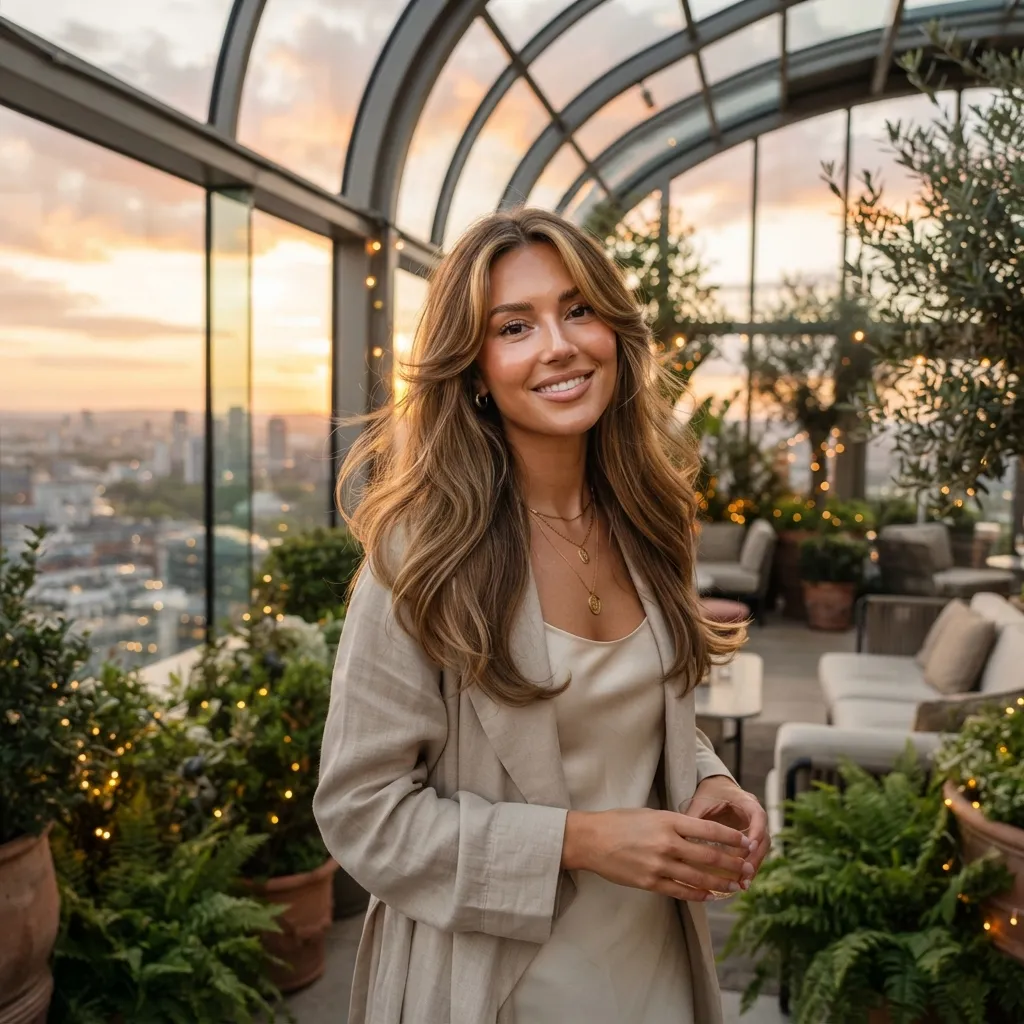
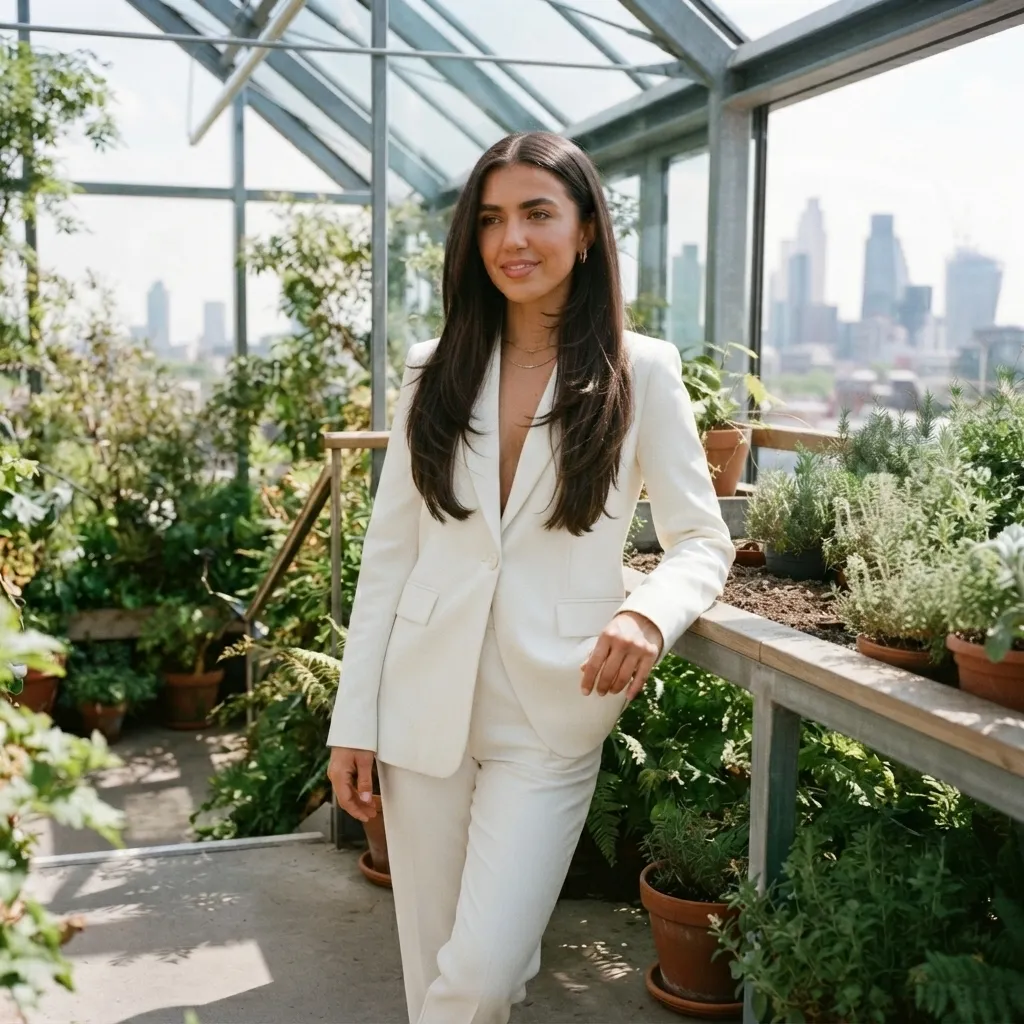
1. Long Blended Layers
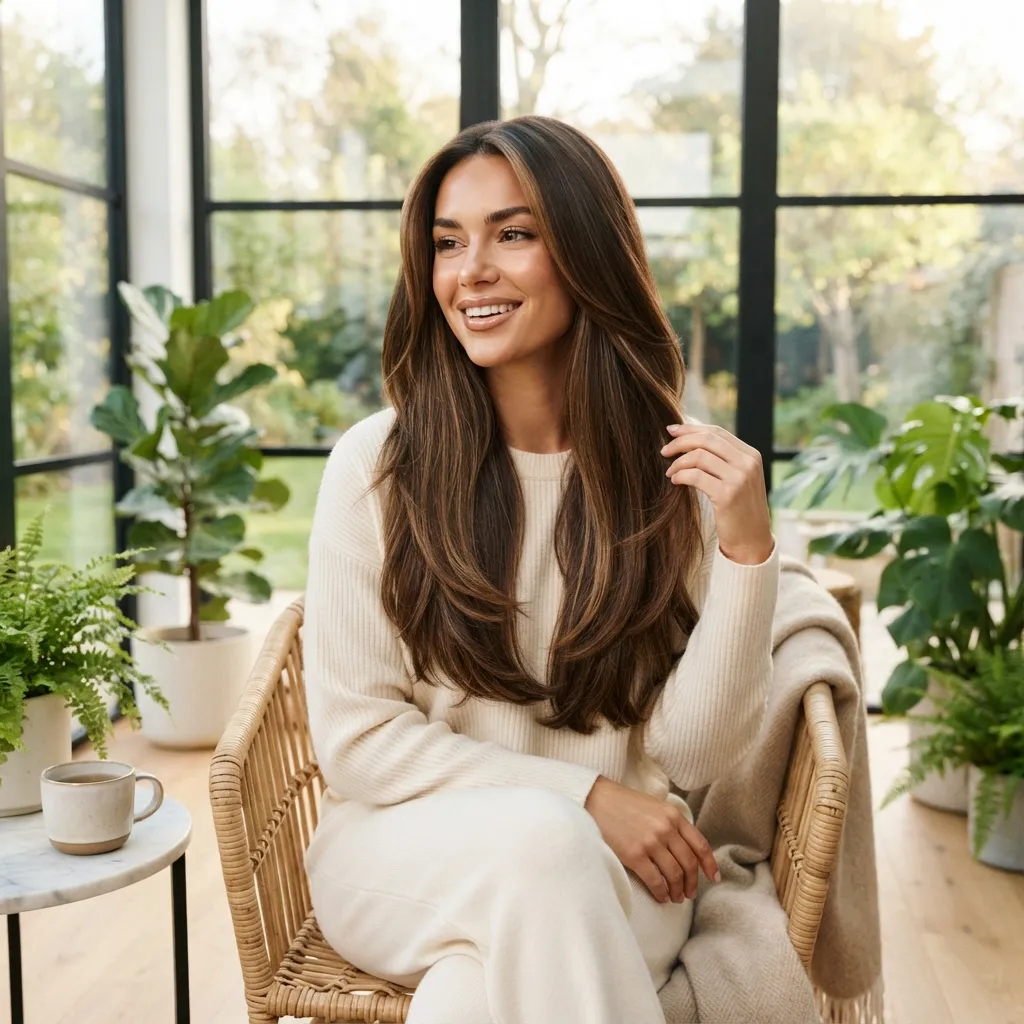
Long blended layers add gentle movement while keeping the hair looking full and naturally long.
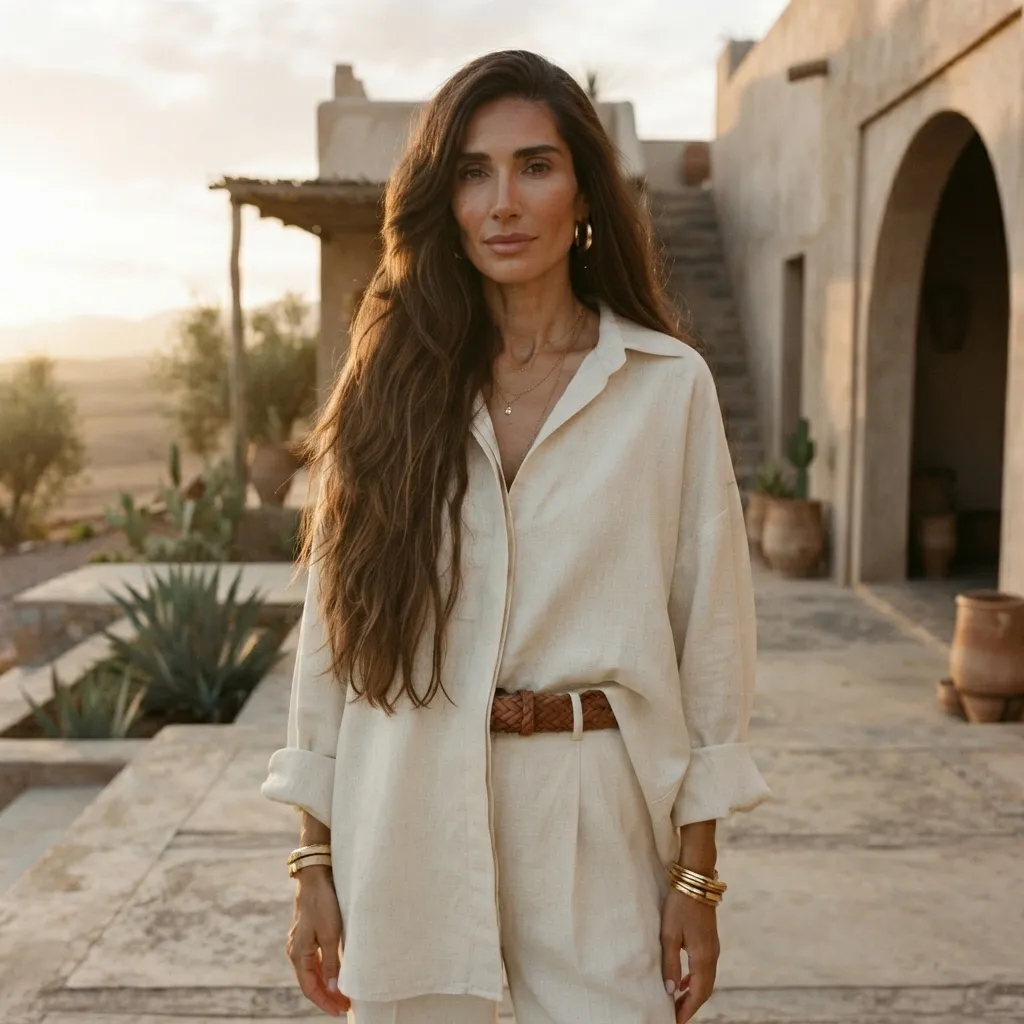
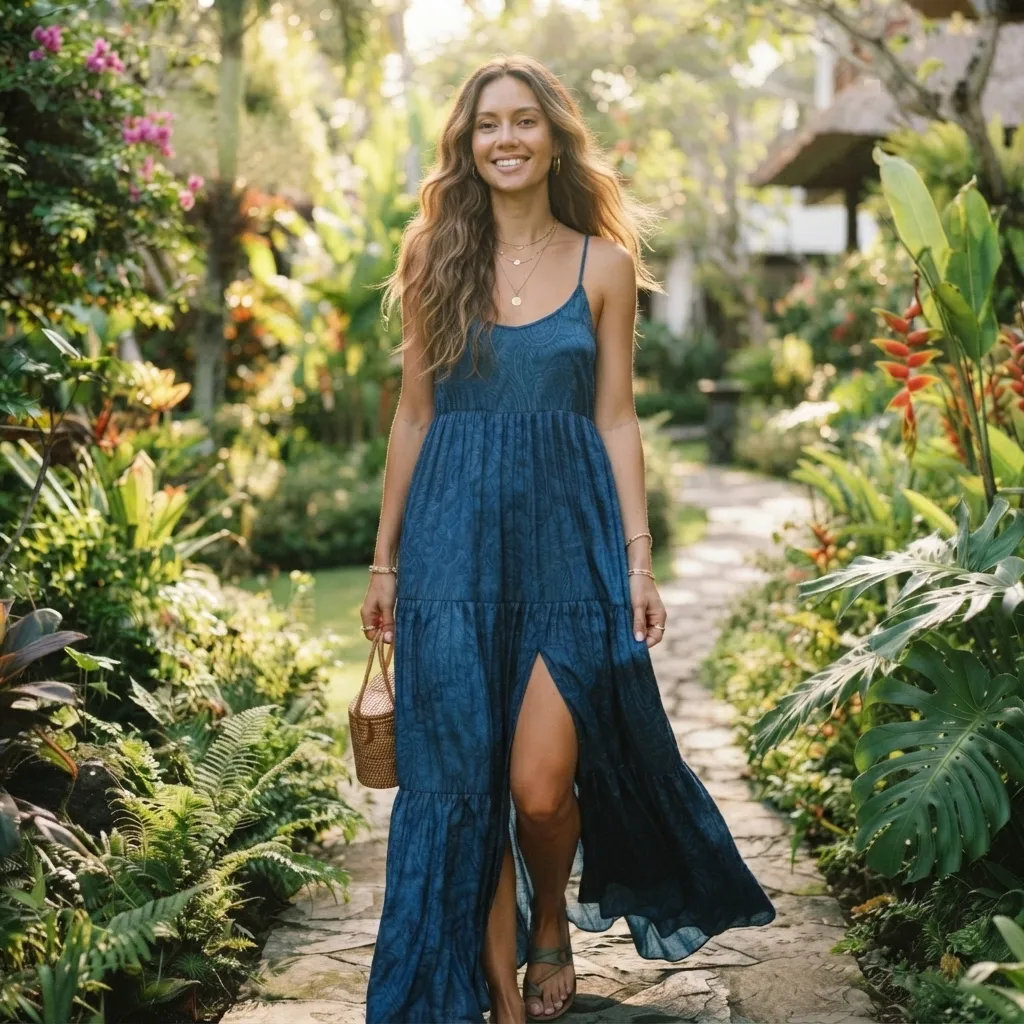
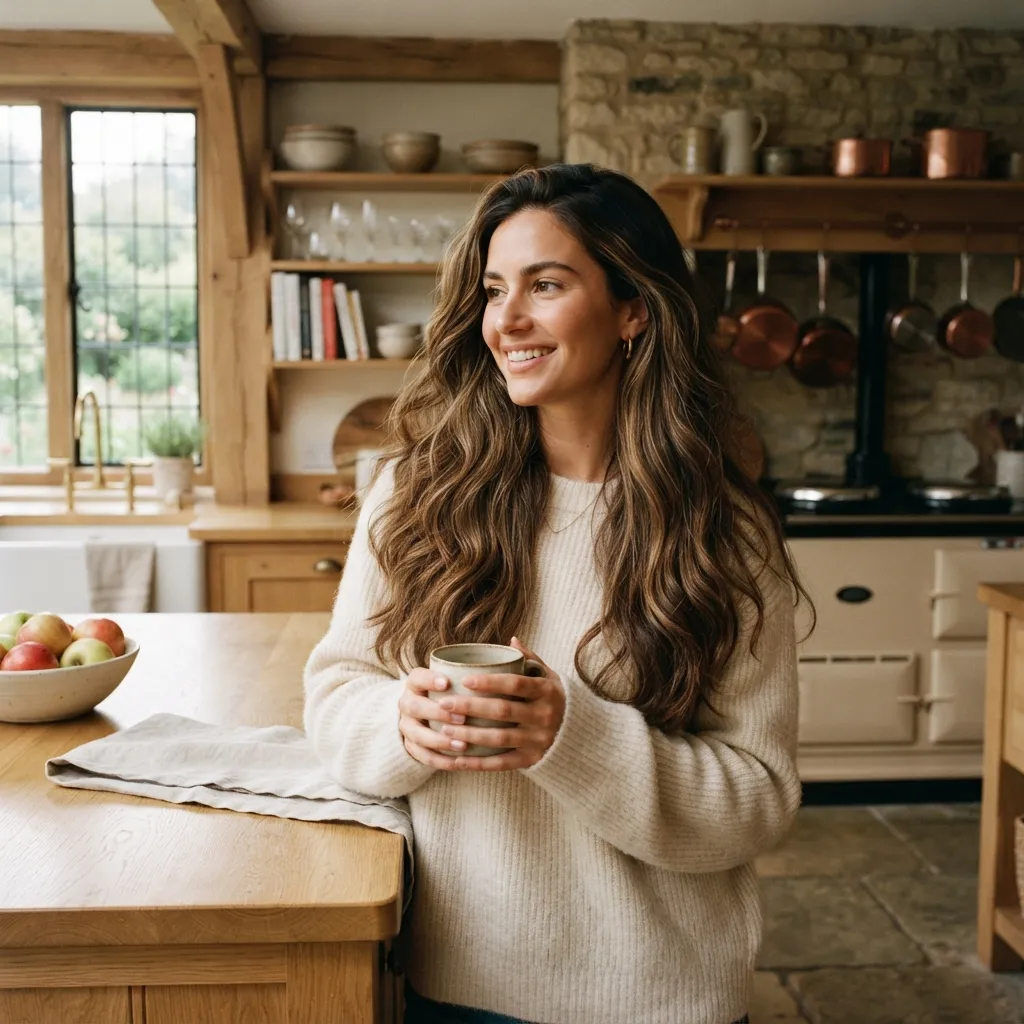
This haircut is ideal for anyone who wants a visible change without losing much length. The layers begin lower through the hair and blend gradually into the ends. There are no sharp steps, so the overall shape stays soft.
The style looks especially beautiful with a loose blowout. The longer sections move together while the shorter pieces create subtle lift. It also works well with naturally straight hair because the gradual layers prevent the ends from looking too heavy.
2. Face Framing Long Layers
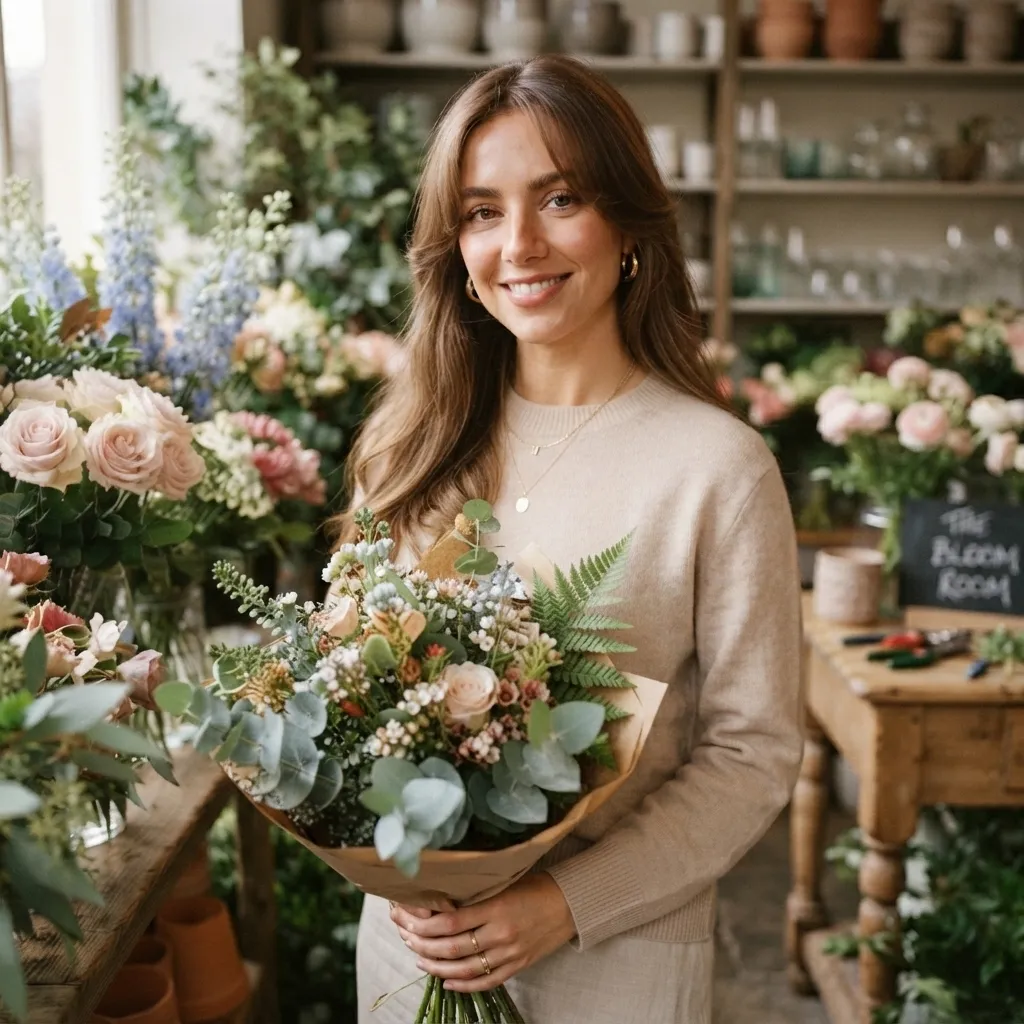
Face-framing long layers add shape around the face while allowing the rest of the hair to remain long and flowing.
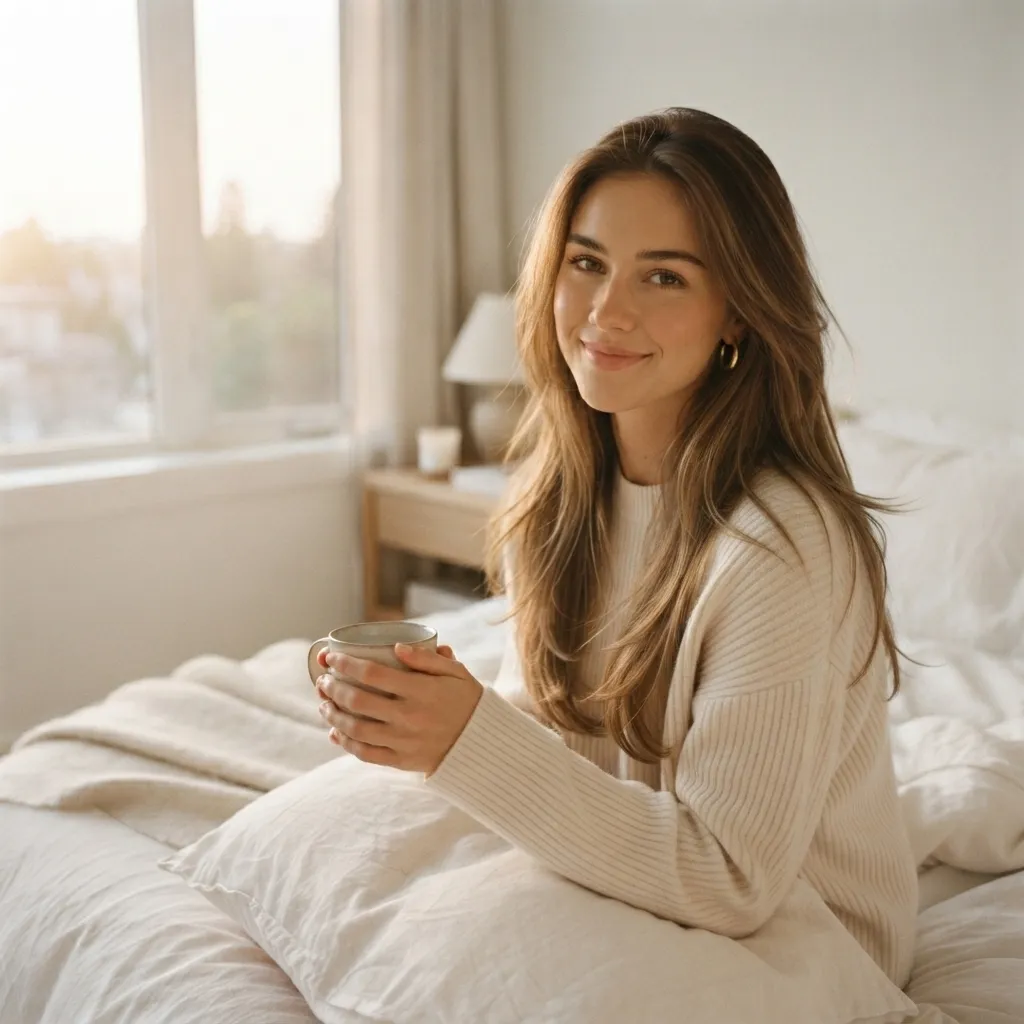
The first layers begin around the cheekbones or jaw and gradually connect with the longer sections. This creates a gentle frame without making the haircut look heavily layered. It can also bring attention to the eyes and cheekbones.
This style is easy to personalise. A shorter starting point creates more definition, while longer pieces give a softer effect. It works beautifully with straight hair, waves, and large loose curls.
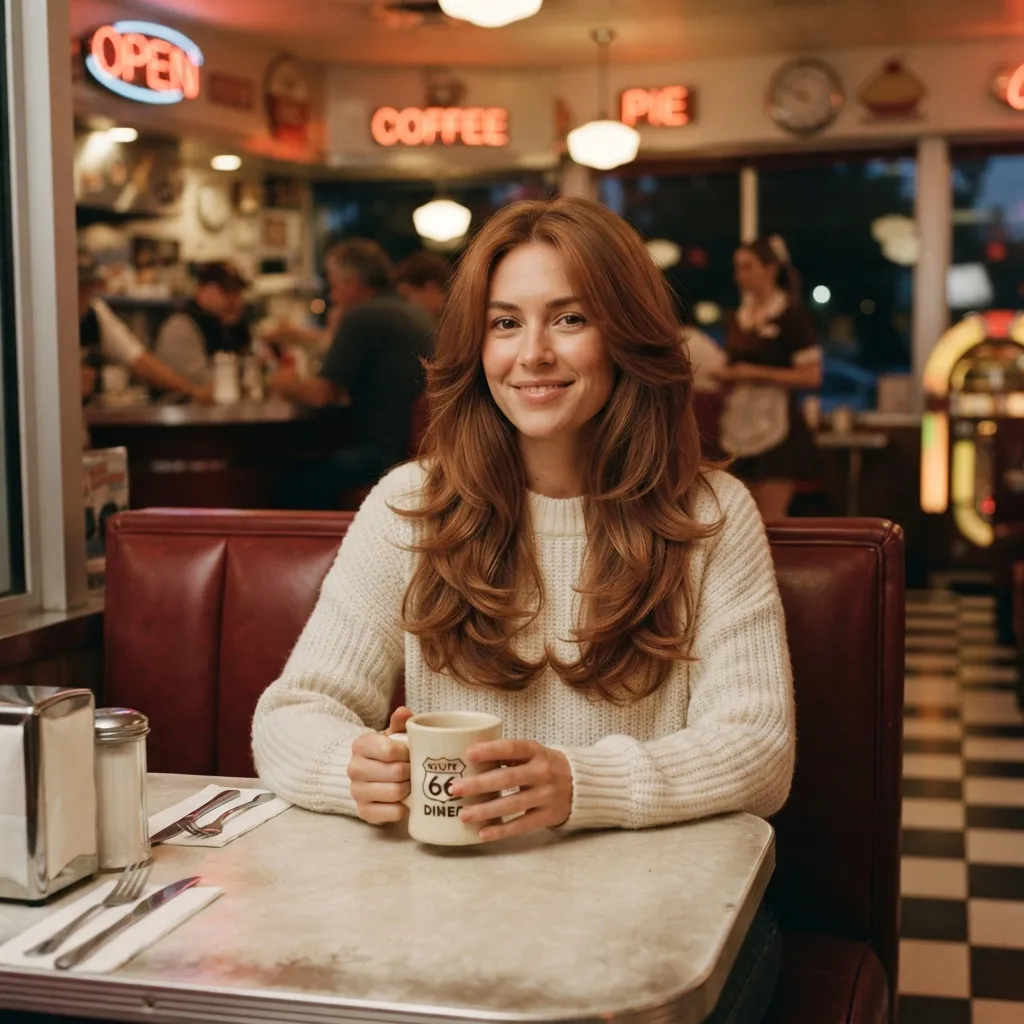
3. Soft Butterfly Layers
Soft butterfly layers create volume around the face and crown while keeping the lower lengths long and flowing.
This haircut takes inspiration from the popular butterfly shape but uses a softer transition. Shorter pieces create movement around the upper part of the hair, while longer layers preserve the dramatic length underneath.
It is a strong choice for people who want more volume without committing to a shorter haircut. Blow-drying the front sections away from the face can make the layers stand out. The style can also work with naturally wavy hair for a more relaxed finish.
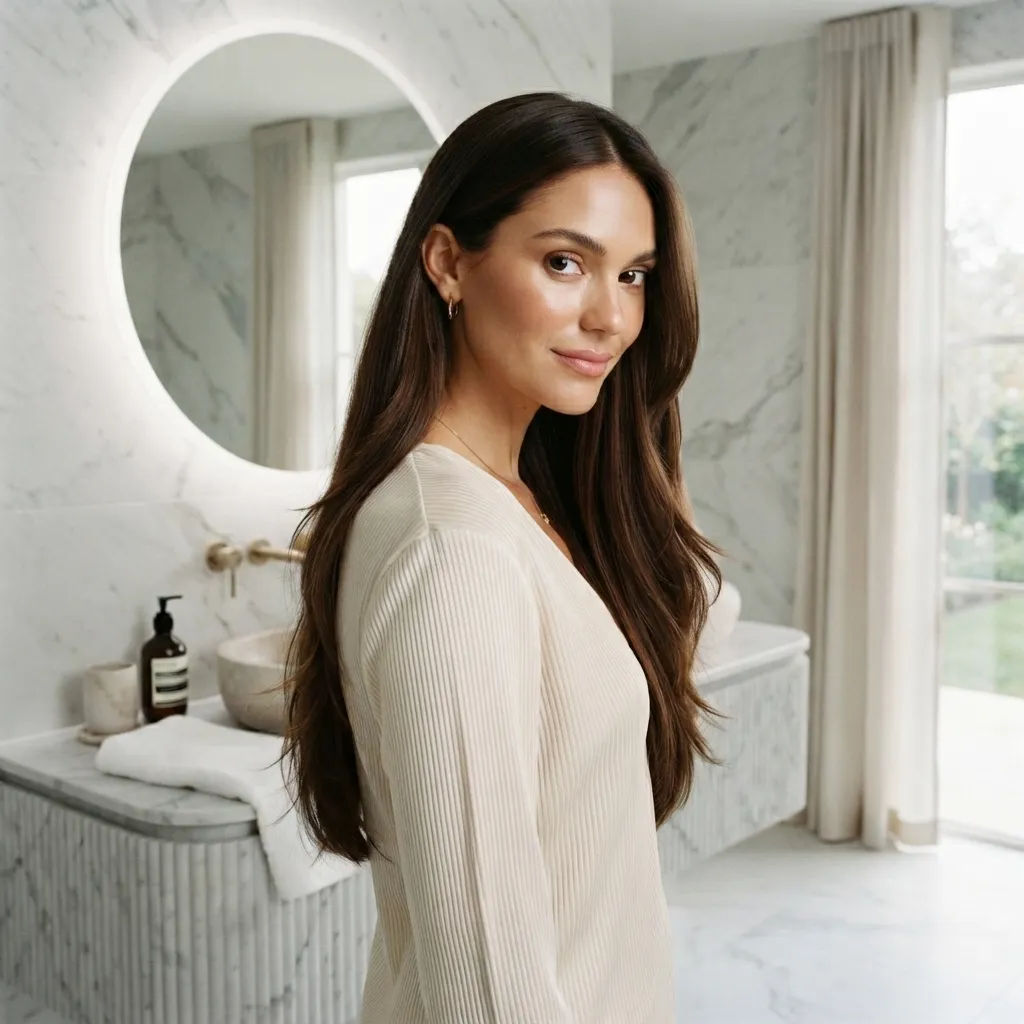
4. Long Feathered Layers
Long feathered layers create a soft outward movement that makes long hair look lighter and more fluid.
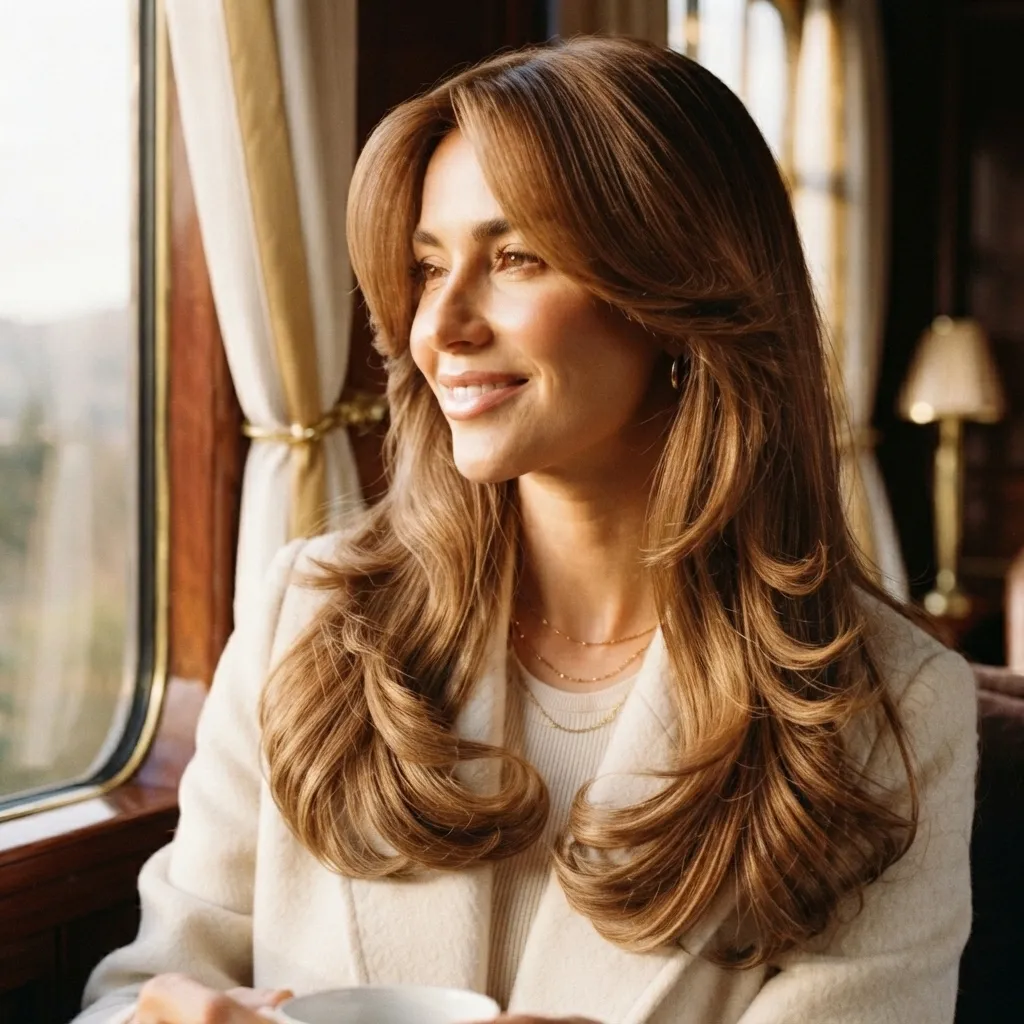
The ends are shaped so they move away from the face and blend into the rest of the haircut. Unlike heavy layers, feathering creates a delicate finish with no obvious lines between sections.
This style is particularly flattering on straight or slightly wavy hair. It can make the ends appear more active without removing a large amount of length. A round brush can also bring out the feathered shape during styling.
5. Long Layers With Curtain Bangs
Long layers with curtain bangs add movement around the face while keeping the main length intact.
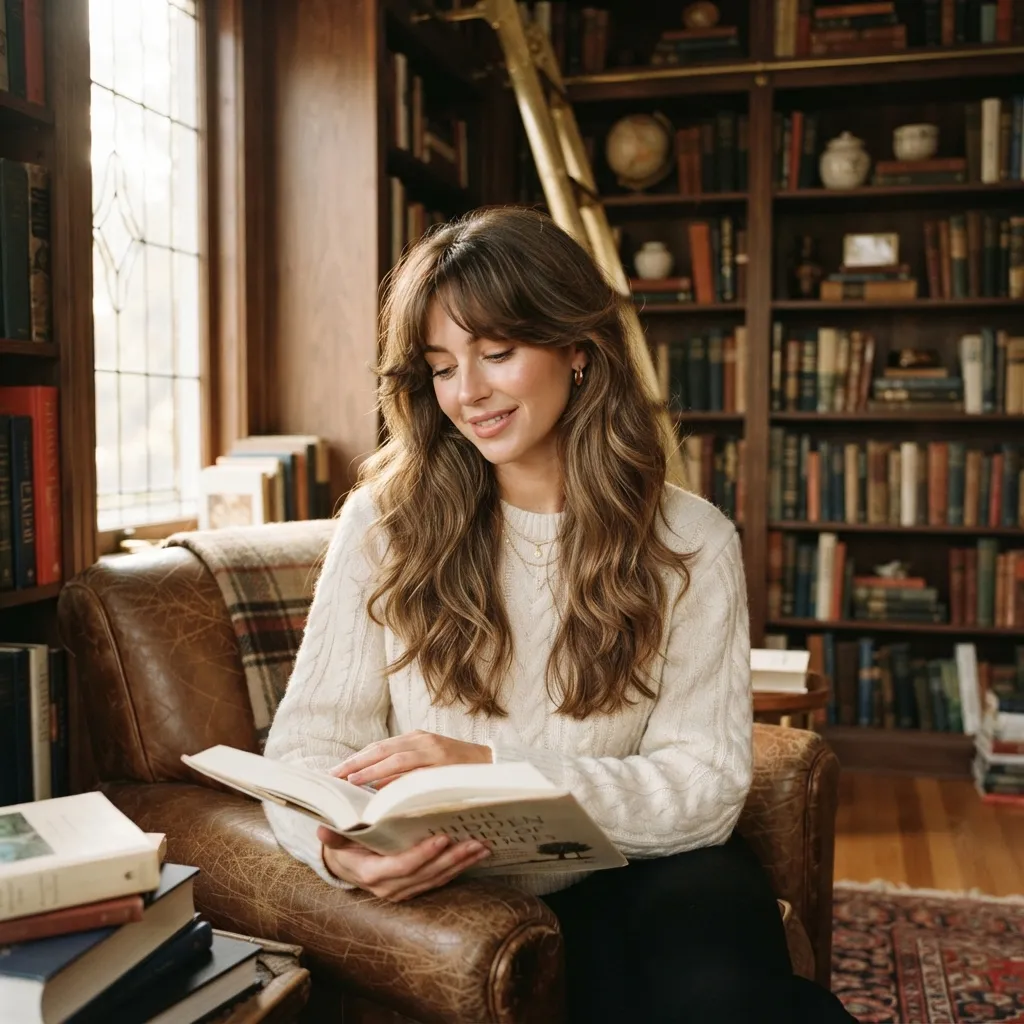
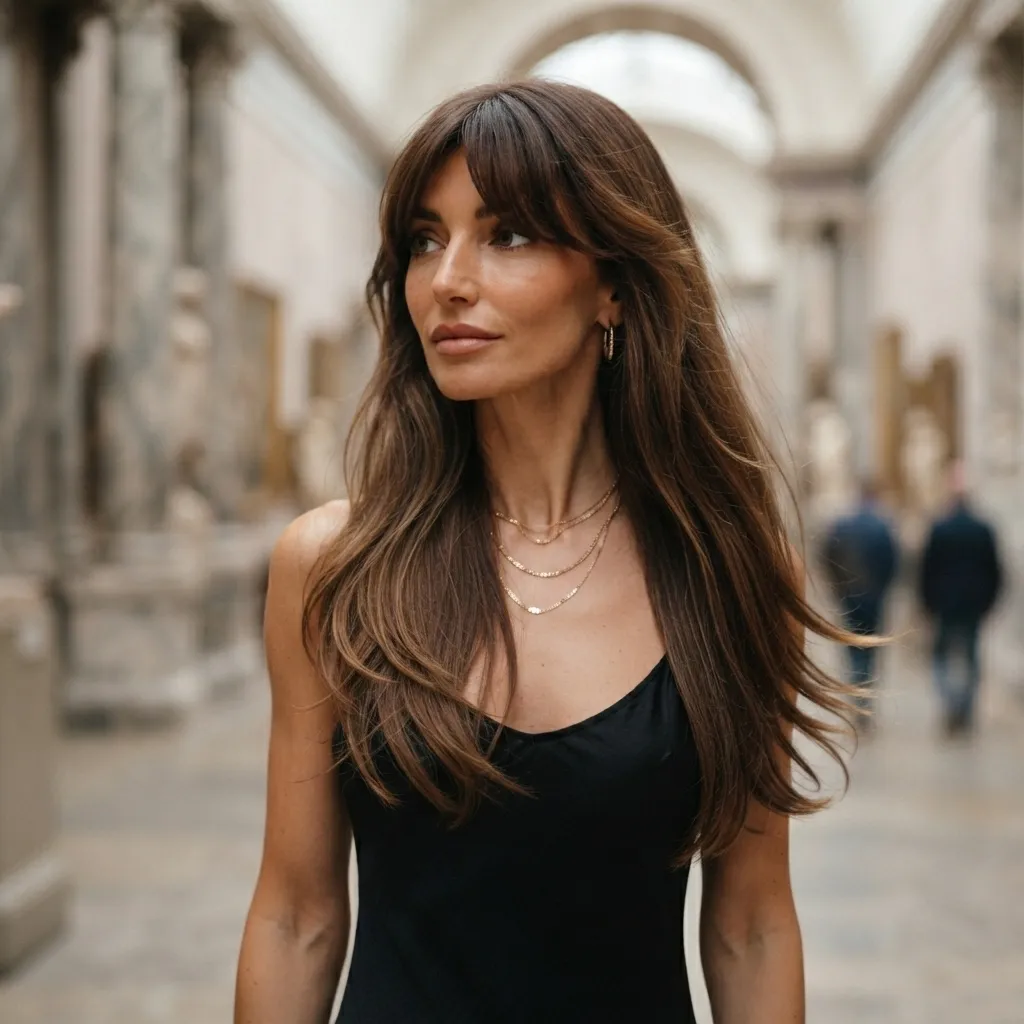
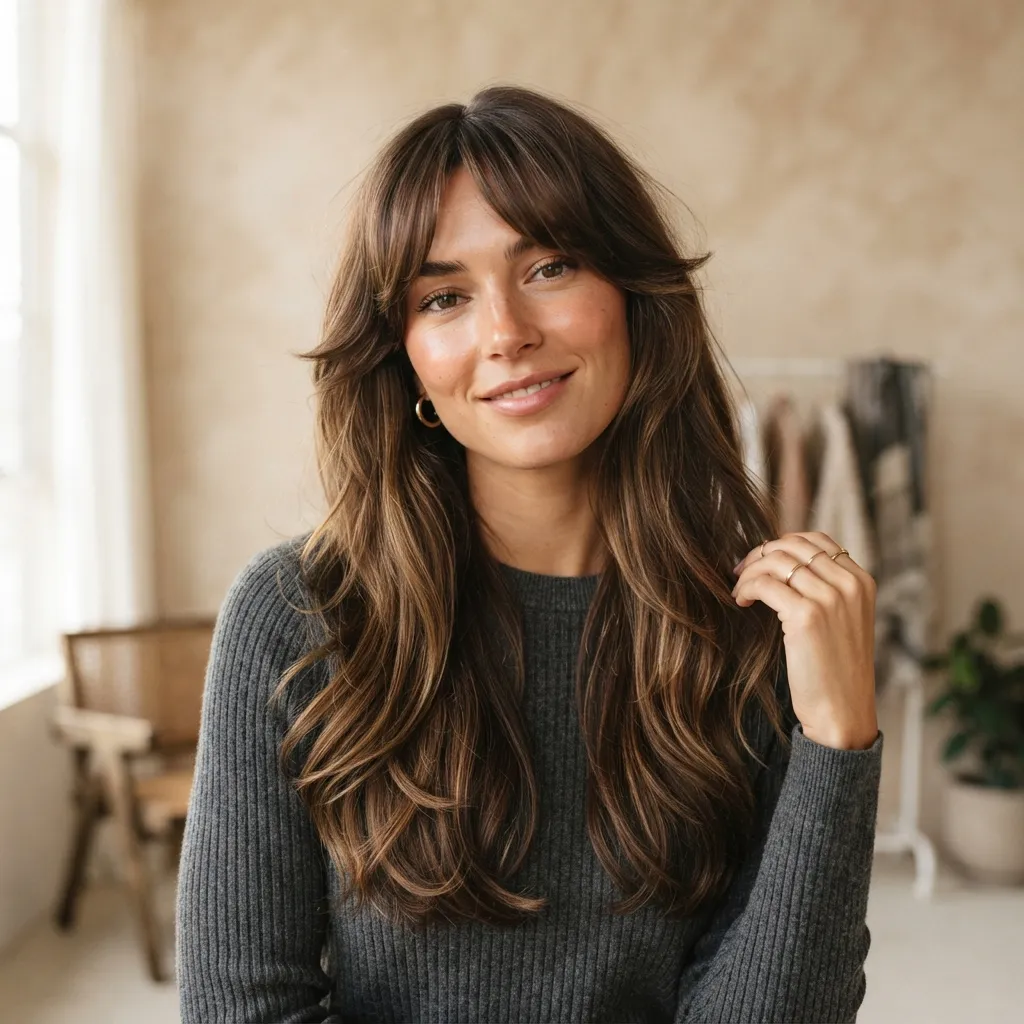
The curtain bangs create a soft opening around the forehead and cheekbones. They then blend into longer layers, making the transition feel natural rather than separate. The rest of the hair can remain long and full.
This combination is useful when you want a noticeable change near the face but do not want to cut the main length. The bangs can also be parted in different ways, making them easy to adjust as they grow.
6. Long U Shaped Layers
Long U-shaped layers keep the centre length full while creating a softer curve around the sides.
The back of the haircut forms a gentle U-shape rather than ending in one straight line. Long layers follow that curve and help the hair move naturally. This makes the style look full from behind while giving the sides more shape.
The cut works well for thick and medium-density hair. It can remove some weight without making the ends look thin. Soft waves also bring out the curved shape and make the layers easier to see.
7. Long V Shaped Layers
Long V-shaped layers create a sharper length pattern while keeping the centre of the hair noticeably long.
The back tapers toward a central point, creating a more defined shape than a U-cut. Long layers soften the transition so the result does not feel too severe. This can give very long hair a more deliberate silhouette.
The style is especially striking on thick hair because the extra density helps maintain the pointed shape. Loose waves can soften the effect, while straight hair makes the V outline more visible.
8. Invisible Layers
Invisible layers add movement inside the haircut while keeping the outer length looking almost unchanged.
These layers are placed within the hair rather than creating obvious steps around the edges. The result is subtle. You may feel the difference in movement before you notice where the layers begin.
This technique can work especially well for thick hair that feels heavy. Removing some internal weight can make styling easier while preserving the appearance of long, full ends. It is also useful for people who want a very natural haircut.
9. Long Wavy Layers
Long wavy layers enhance natural texture by giving each section enough space to move freely.
The layers help prevent long waves from falling into one heavy shape. They create separation between sections and allow the natural bends in the hair to become more visible.
This cut is a good match for medium and thick wavy hair. Too many short layers can make waves expand too much, so longer placement often gives a more balanced result. A light styling cream can help define the texture without making the hair stiff.
10. Long Layers With Side Swept Fringe
Long layers with a side swept fringe add movement around one side of the face while keeping the rest of the hair long.
The fringe begins higher on one side and gradually joins the longer layers. This creates an angled frame that can give the haircut a more relaxed shape. It also provides an alternative to curtain bangs.
The style works well with side parts and loose waves. The fringe can be styled across the forehead for a polished appearance or swept away for a softer finish. It is a useful choice when you want face-framing without a symmetrical look.
11. Long Swooping Layers
Long swooping layers create broad curves through the hair for a soft, flowing shape.
These layers are designed to move in larger sections rather than creating many small pieces. The result is a smoother silhouette with visible motion around the face and through the ends.
This haircut looks especially polished after a round brush blowout. The large curves can also work with naturally wavy hair when styled with a loose hold. It suits medium and thick hair particularly well because the layers need enough density to create the sweeping effect.
12. Long Layers With Wispy Ends
Long layers with wispy ends create a lighter finish by softly separating the final few inches of hair.
The layers remain long, but the ends are shaped into finer pieces. This keeps the haircut from feeling heavy while avoiding a dramatic loss of length.
The style works well for fine to medium hair when the ends need more movement. It can also suit thick hair when the wispy effect is created carefully. Soft waves make the individual pieces more noticeable and give the haircut a relaxed finish.
13. Long Layers for Thick Hair
Long layers for thick hair remove excess weight while preserving the fullness that makes dense hair look beautiful.
The layers should be carefully spaced rather than cut too aggressively. Longer internal sections can reduce heaviness while keeping the outside shape strong.
This approach can make thick hair easier to wash, dry, and style. It also helps prevent the ends from forming one heavy block. Loose waves can reveal the different sections and create more movement through the length.
14. Long Layers for Fine Hair
Long layers for fine hair add shape without removing too much density from the ends.
Fine hair usually benefits from fewer and longer layers. Too many short pieces can make the ends look thinner. A carefully placed layer can instead create movement while keeping the perimeter full.
This style works well with a blunt or softly rounded bottom edge. Adding waves can create the appearance of more volume, while straight styling keeps the finish sleek and clean.
15. Long Rounded Layers
Long rounded layers create a smooth curved shape that makes the ends look softer and more connected.
The layers follow the natural curve of the head and gradually blend toward the bottom. This avoids the choppy appearance that can come from sharply separated sections.
The haircut works well for straight, wavy, and lightly curly textures. It is especially useful when you want movement but prefer a polished silhouette. A smooth blowout can make the rounded shape even more noticeable.
16. Long Layers With Bottleneck Bangs
Long layers with bottleneck bangs add soft shape around the forehead while keeping the rest of the haircut long.
Bottleneck bangs are narrower near the centre and become longer toward the temples. They create a gentle frame without the heavier look of a full fringe. When connected to long layers, the transition feels smooth and natural.
This style suits straight and wavy hair. The bangs can also be parted slightly to either side, giving you more styling freedom. It is a useful option when you want a change around the face but still want to keep your long hair.
17. Long Curved Face Framing Layers
Long curved face-framing layers create a soft outline around the face while keeping the lower hair untouched.
The first section begins around the cheek or jaw and curves gradually toward the shoulders. Each following layer becomes longer, creating a smooth connection with the main length.
This shape can add definition without making the haircut look heavily layered. It also works well when you wear your hair forward over the shoulders. Loose curls can make the curved sections even more noticeable.
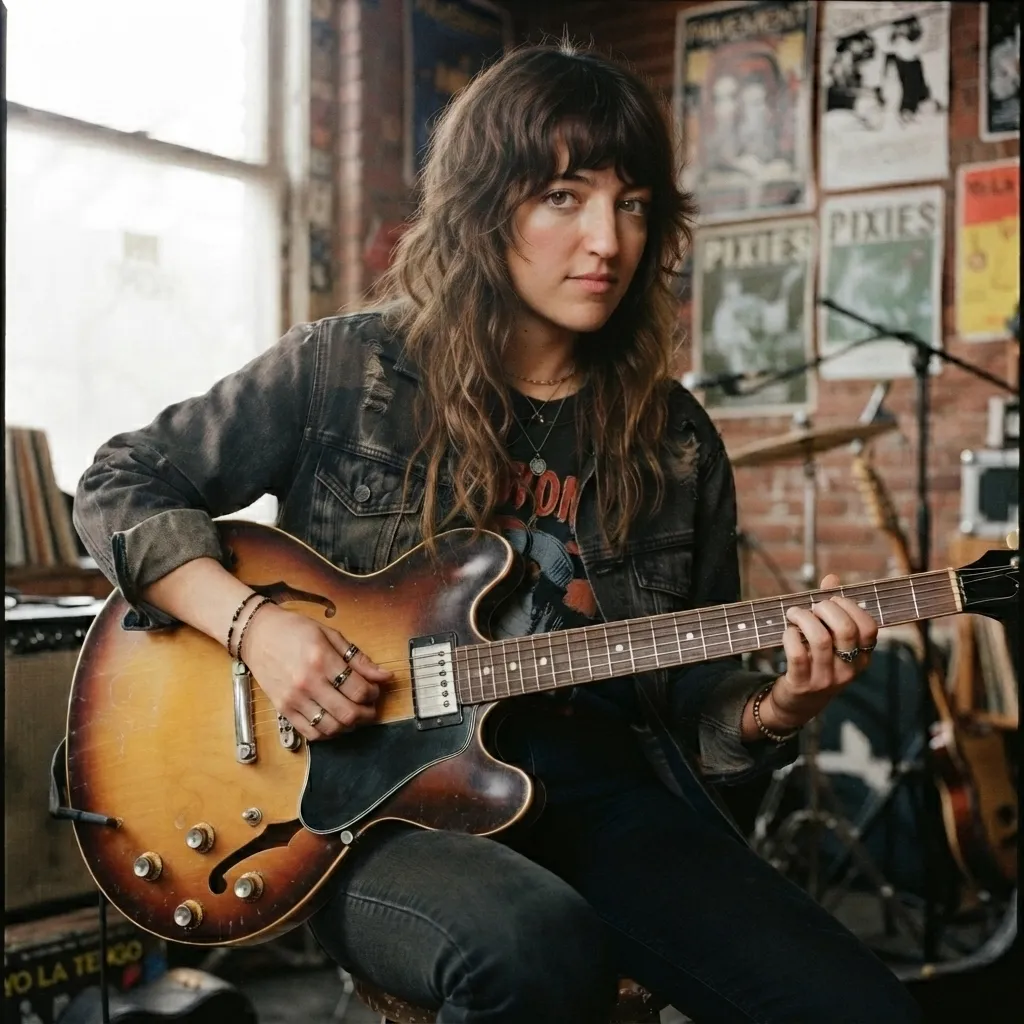
18. Long Shag Inspired Layers
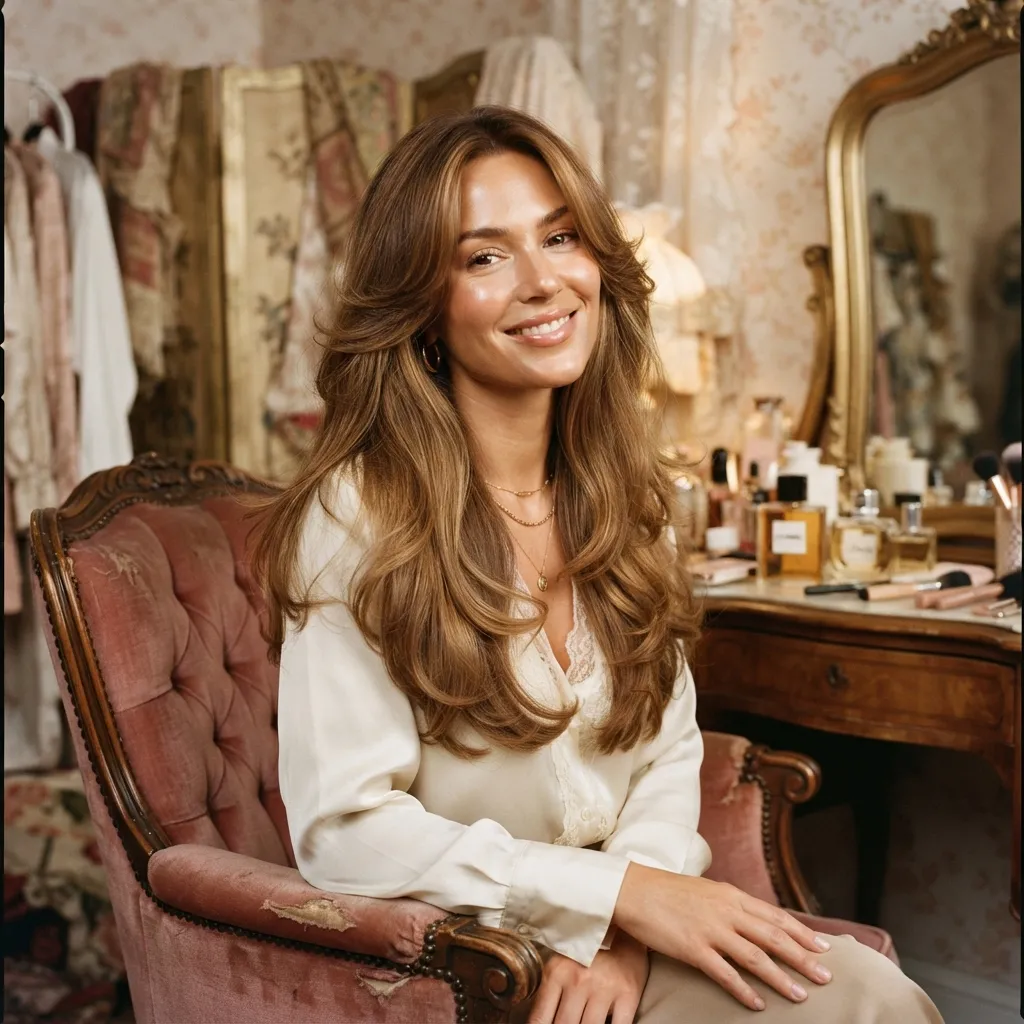
Long shag-inspired layers add relaxed texture and movement while keeping the lower lengths noticeably long.
This version uses the texture of a shag but avoids the shorter overall shape of a traditional cut. The upper sections have more movement, while the lower layers remain long and connected.
It is a good choice for naturally wavy or textured hair. The imperfect finish is part of the appeal. Air-drying or using a light styling cream can bring out the relaxed shape without making the haircut look too polished.
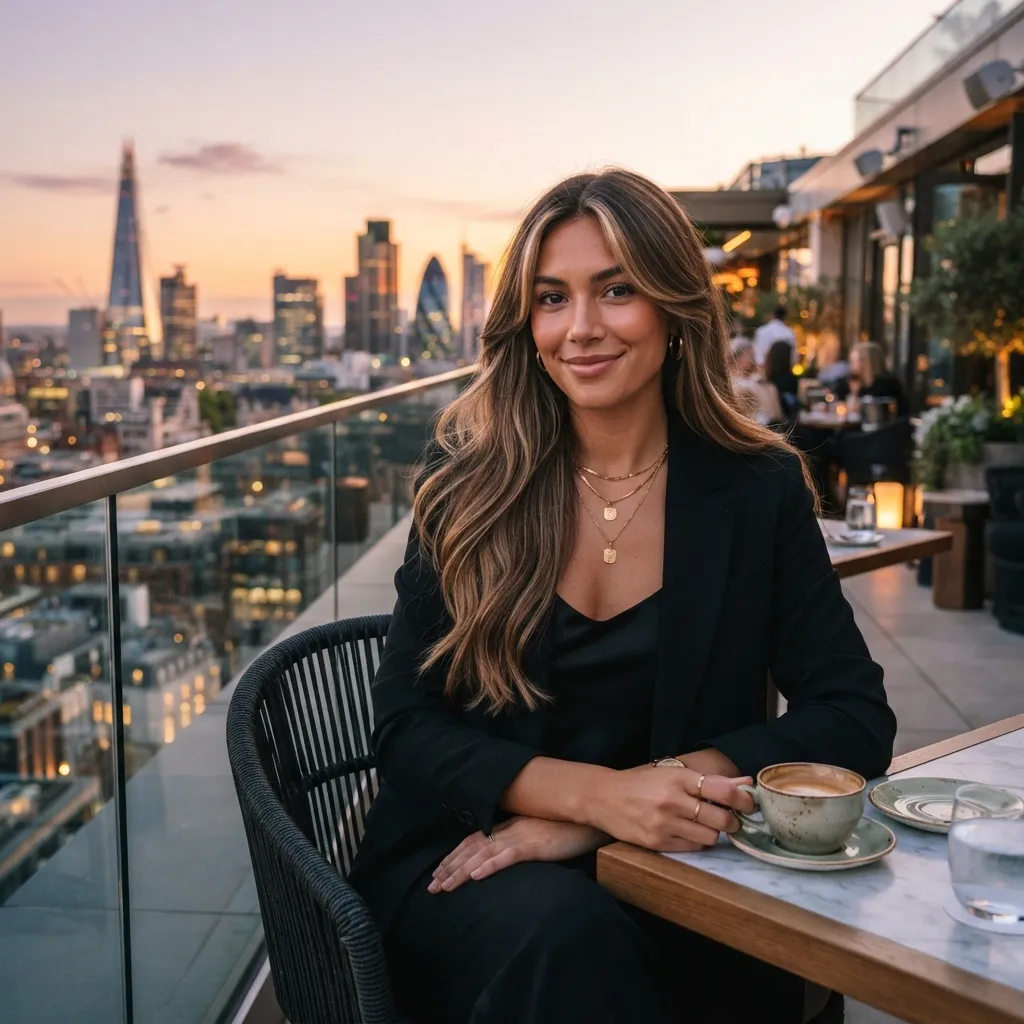
19. Long Layers With Money Piece Highlights
Long layers with soft money piece highlights add brightness around the face while preserving a deep and natural base.
The haircut keeps the main length long and flowing. A few brighter pieces near the front create contrast and draw attention toward the face. The colour can be subtle or more noticeable depending on the desired result.
This combination works especially well with layered hair because the lighter pieces move through different lengths. Loose waves can make the colour variation more visible, while straight hair creates a cleaner contrast.
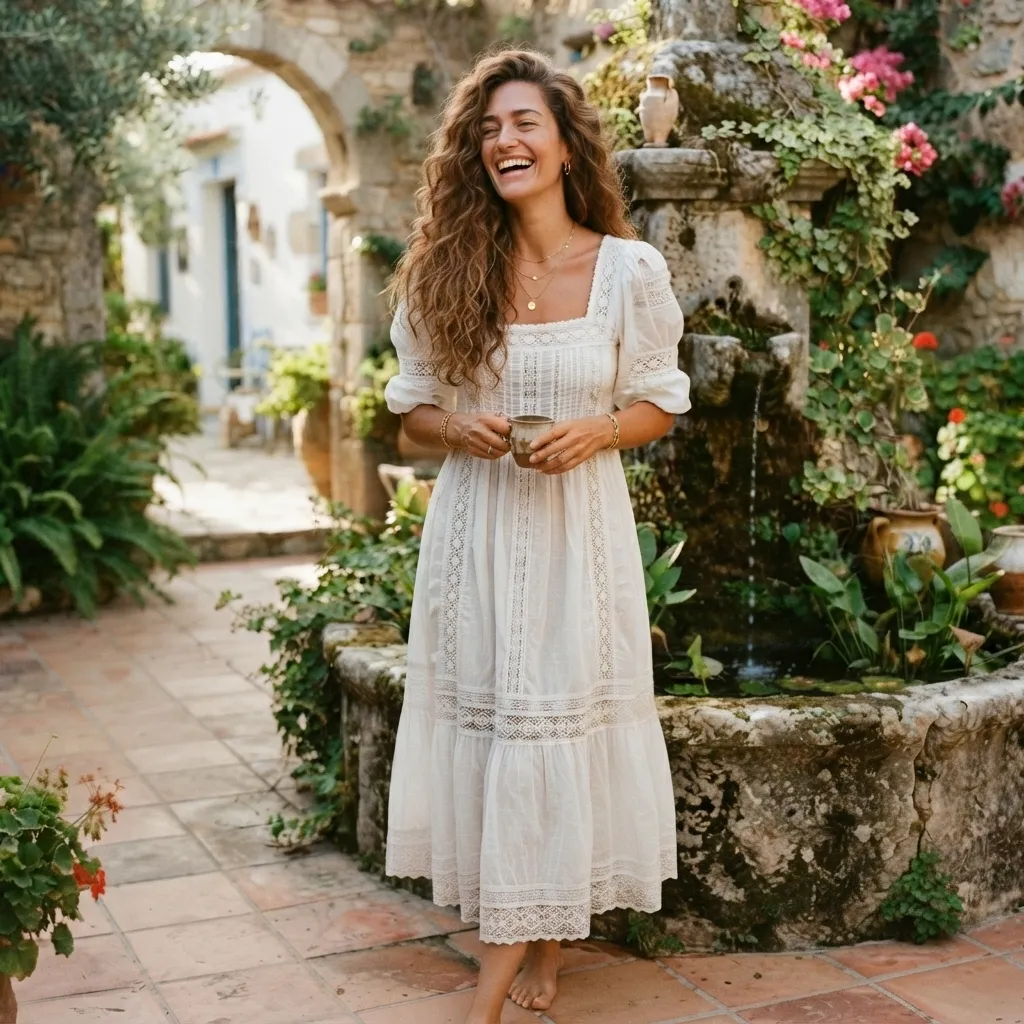
20. Long Layers With Soft Curls
Long layers with soft curls create fullness and movement while allowing the hair to keep its dramatic length.
The layers give each curl room to form instead of allowing all the hair to sit at one level. Longer pieces maintain the overall length while shorter sections create shape around the face and upper body.
This haircut suits naturally curly and heat-styled hair. The key is to avoid removing too much weight from the ends. A balanced layer pattern keeps the curls defined while maintaining a full appearance.
21. Long Layers With a Blunt Perimeter
Long layers with a blunt perimeter combine internal movement with a strong, full-looking edge.
The outer line remains relatively solid while subtle layers are placed above it. This gives the haircut movement without making the ends look thin. It is especially useful for people with fine or medium density hair.
The contrast between the structured perimeter and softer interior creates a polished shape. Straight styling makes the clean edge clear, while waves soften the overall appearance.
22. Long Layers With Soft Flicked Ends
Long layers with soft, flicked ends create outward movement at the bottom without creating a dramatic change in length.
The ends are styled away from the body using a brush or a light heat tool. The layers make the flick easier to create because the different lengths can move independently.
This style brings a playful finish to long hair. It works well with straight and slightly wavy textures. The flick can be subtle for everyday styling or more defined for a retro-inspired look.
23. Long Layers With Subtle Internal Movement
Long layers with subtle internal movement create shape inside the haircut without changing its visible outline.
This technique keeps the outer edge almost untouched. Instead, small sections are layered within the main body of the hair. The result is gentle movement that becomes noticeable when the hair is brushed, curled, or moved.
It works well for people who love their current length but feel their hair has become heavy or flat. The change is understated, making it a useful choice for a first layered haircut.
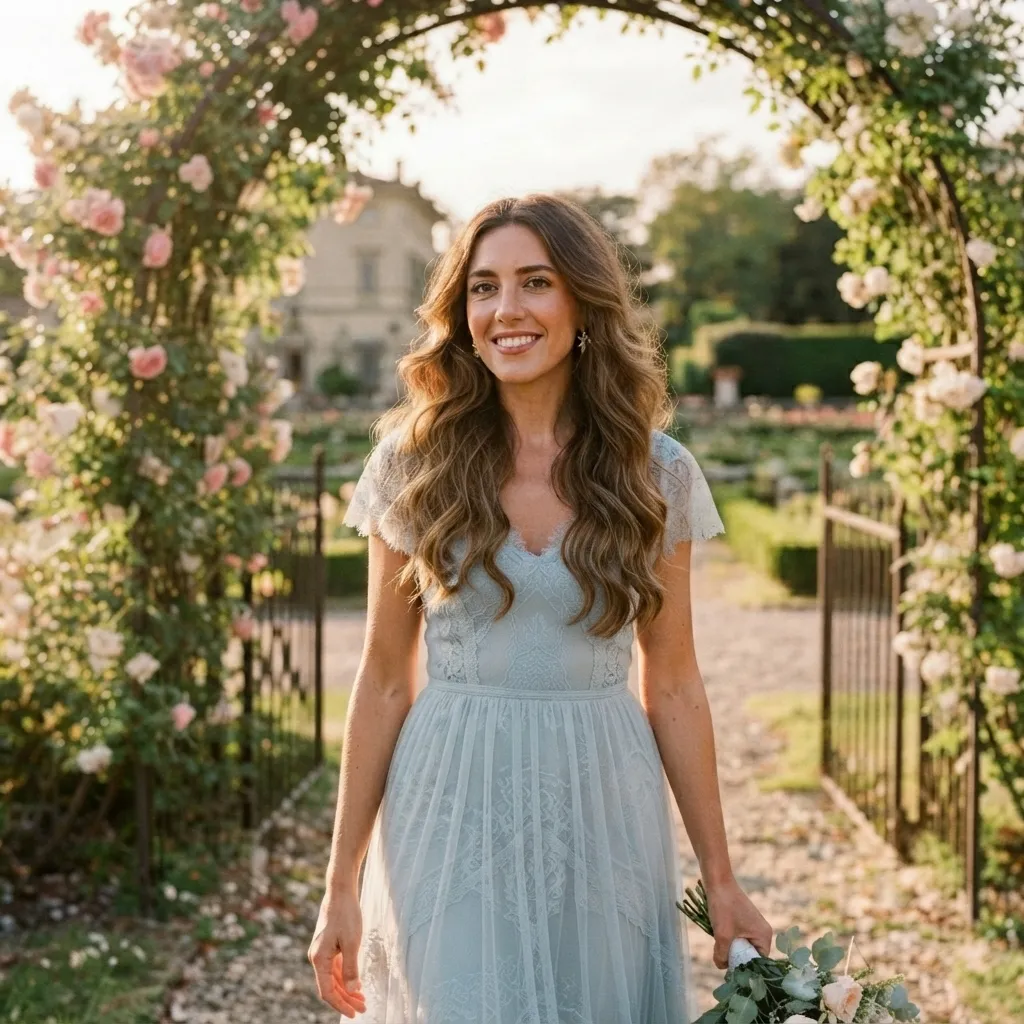
24. Long Layers With Romantic Waves
Long layers with romantic waves create soft volume and movement while keeping the hair visibly long.
The layers give the waves a lighter shape and prevent the ends from forming one heavy mass. The result is smooth movement from the face through the lower lengths.
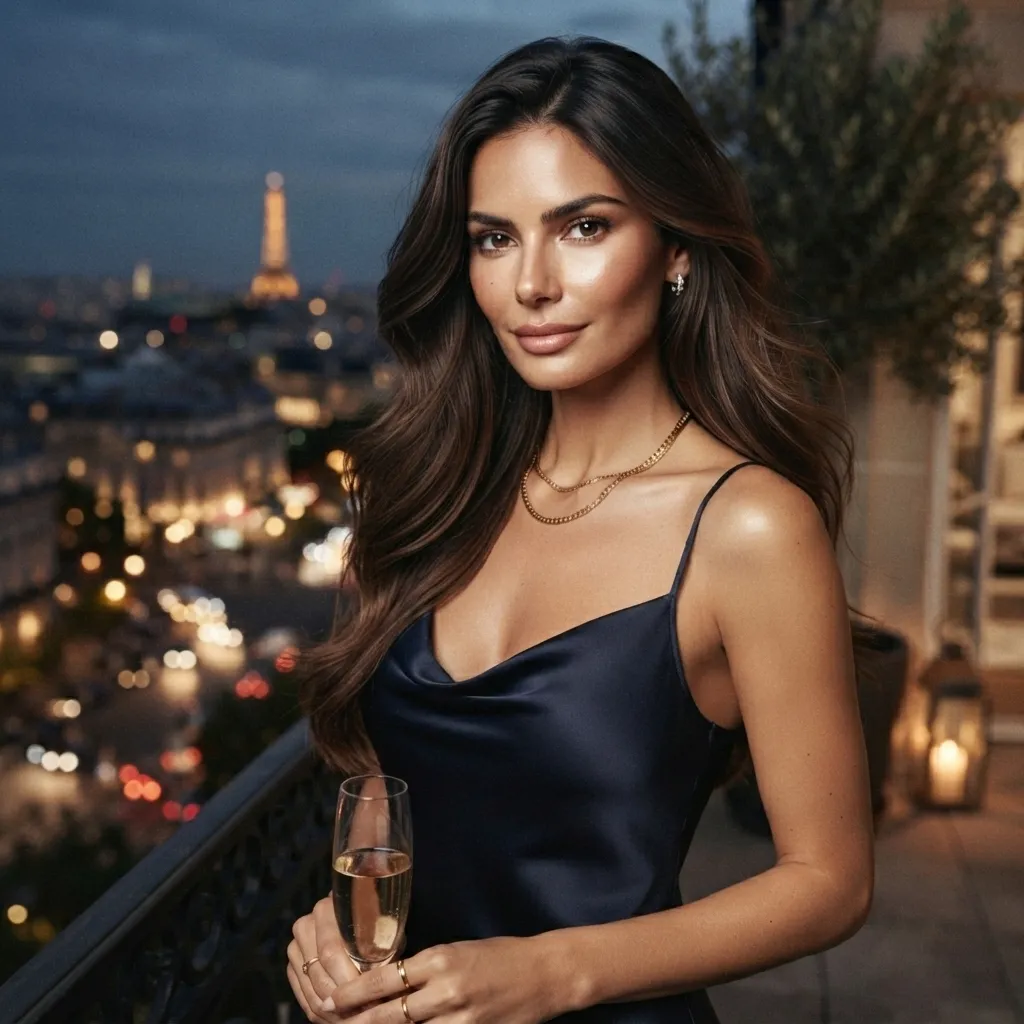
This haircut is ideal for weddings, special events, or anyone who enjoys a polished feminine style. The waves can be created with a curling iron or rollers and then brushed gently for a softer finish.
25. Soft Long Layers With Natural Texture
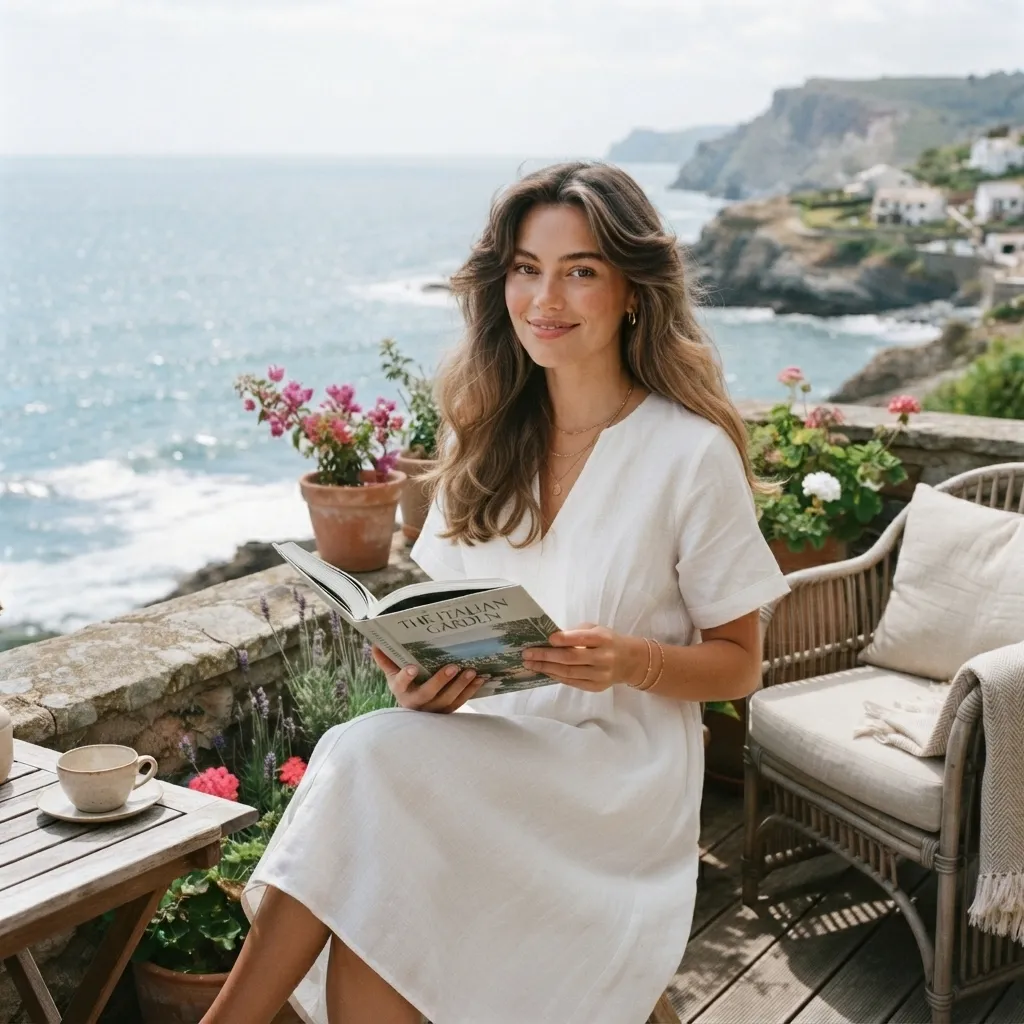
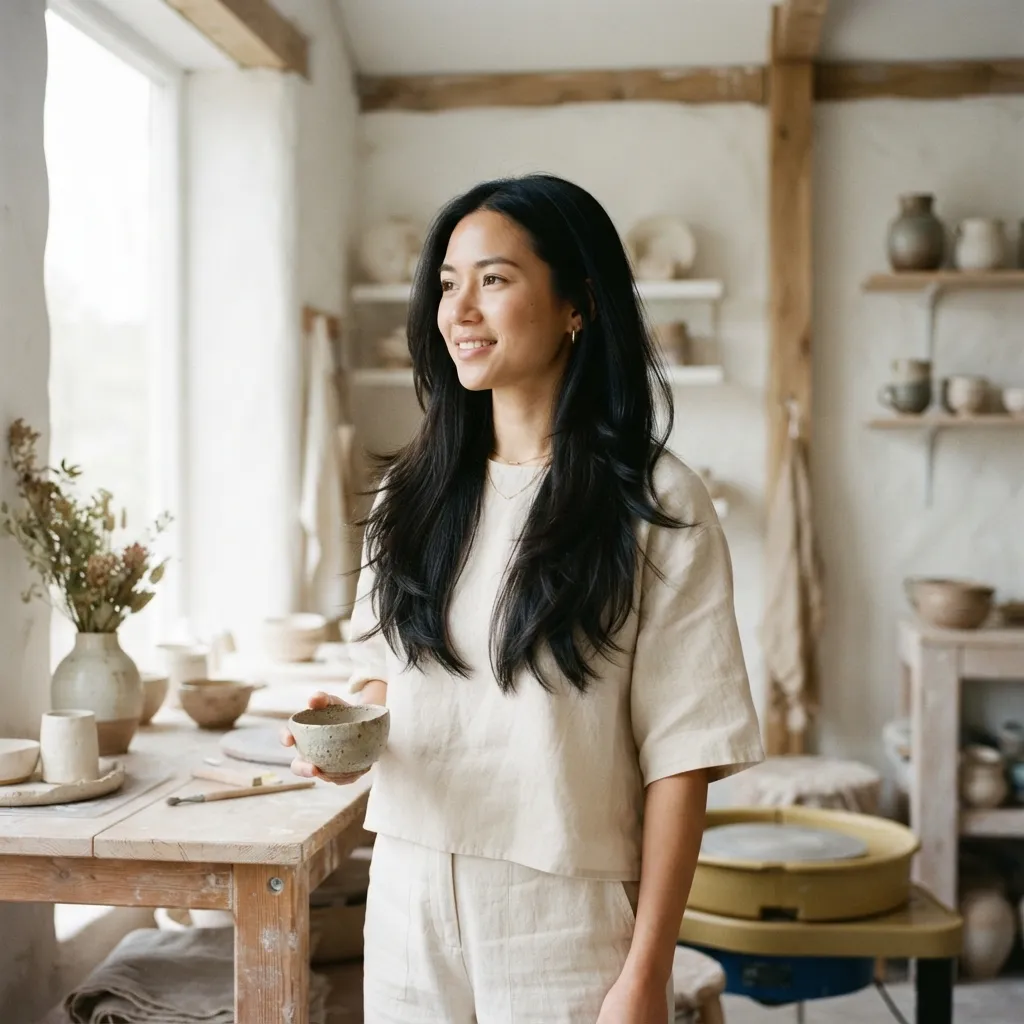
Soft long layers with natural texture create the easiest-looking finish while allowing the hair's own movement to lead the style.
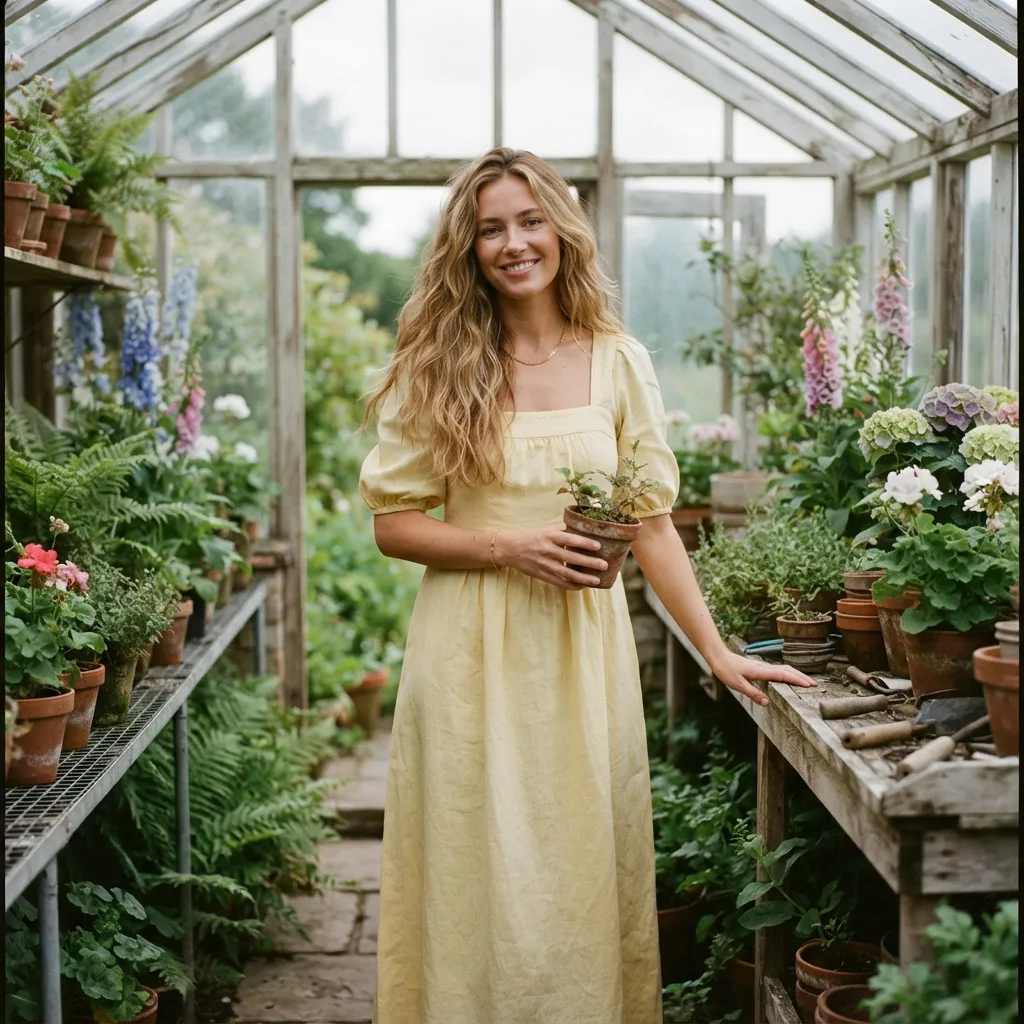
The haircut follows the natural pattern of the hair instead of forcing it into a highly structured shape. Long layers provide enough separation for texture to move while keeping the ends connected.
This approach works across straight, wavy, and lightly curly hair. It is especially useful for people who prefer air-drying and minimal styling. The final result should look effortless rather than perfectly controlled.
How Do You Choose the Right Soft Layered Haircut?
The right soft layered haircut depends on your hair density, natural texture, styling routine, and the amount of length you want to protect.
Fine hair usually benefits from longer layers and a fuller perimeter. Thick hair can handle more internal movement and weight removal. Wavy hair often looks best when the layers follow its natural pattern instead of fighting it.
Your face shape can also guide the placement. Layers around the cheekbones can add definition, while longer pieces around the jaw create a softer frame. If you are unsure, take several reference photos to your stylist and explain what you want to keep.
Most importantly, be clear about your length. Saying that you want movement without losing length gives your stylist an important starting point.
How Can You Style Soft Layers Without Losing Their Natural Movement?
Soft layers look best when styling products and heat are used lightly enough to preserve their natural separation.
For a smooth finish, use a round brush and direct the layers away from the face. For waves, use a lightweight styling cream and let the hair dry naturally or with gentle heat. Avoid heavy products that can flatten the shorter sections.
You can also change the character of the haircut without changing the cut. A centre part creates balance, while a side part adds more movement to one side. Loose waves make layers obvious, while straight styling shows the actual shape of the haircut.
Conclusion
Soft layered haircuts offer a practical way to refresh long hair without giving up the length that makes it special.
The difference can be subtle. A few face-framing pieces may be enough to change the shape. Internal layers can remove heaviness. Longer feathered sections can add movement through the ends.
There is no single best layered haircut for everyone. Fine hair may need a different approach from thick hair. Natural curls need different placement from straight hair. Your daily styling habits matter too.
If keeping your length is the main priority, tell your stylist before discussing the layer pattern. From there, you can choose between face-framing pieces, internal layers, feathered ends, curtain bangs, or a more dramatic shape.
The best soft layered cut should still look good when you do very little to it. That is what makes these styles so useful. They add shape and movement while allowing long hair to remain long, healthy, and easy to wear.
Frequently Asked Questions
Can soft layers make long hair look shorter?
Soft layers can change the shape of long hair without making the overall length look much shorter, especially when the shortest layers remain long.
Are soft layers good for hair that gets tangled easily?
Yes, carefully placed layers can reduce heavy sections and improve movement, but very short layers may create more tangling in some hair types.
How often should long layered hair be trimmed?
A trim every few months can help maintain the shape and keep the ends looking healthy, although the ideal schedule depends on your hair condition and styling habits.
Can soft layers help reduce drying time?
They can sometimes make dense hair feel lighter and reduce the amount of hair that needs to be dried at once, though the effect varies by hair thickness.
Are soft layers suitable for naturally straight hair?
Yes, straight hair can show the clean shape of long layers very clearly and can gain movement without needing curls or waves.
Can soft layers work with very curly hair?
Yes, but curly hair needs careful layer placement because curls can shrink and expand differently depending on their natural pattern.
Are soft layers suitable for mature hair?
Yes, long soft layers can create movement and shape while keeping the overall look polished and easy to style.
Do layered haircuts make thick hair easier to manage?
Well-placed layers can remove excess weight and make thick hair easier to style while preserving a full outer shape.
Can you add layers without changing the front of the haircut?
Yes, internal or longer layers can create movement throughout the hair while keeping the front relatively unchanged.
What should I ask for if I want layers but want to keep my length?
Tell your stylist that maintaining the overall length is the priority and ask for long, blended layers that create movement without removing too much from the ends.